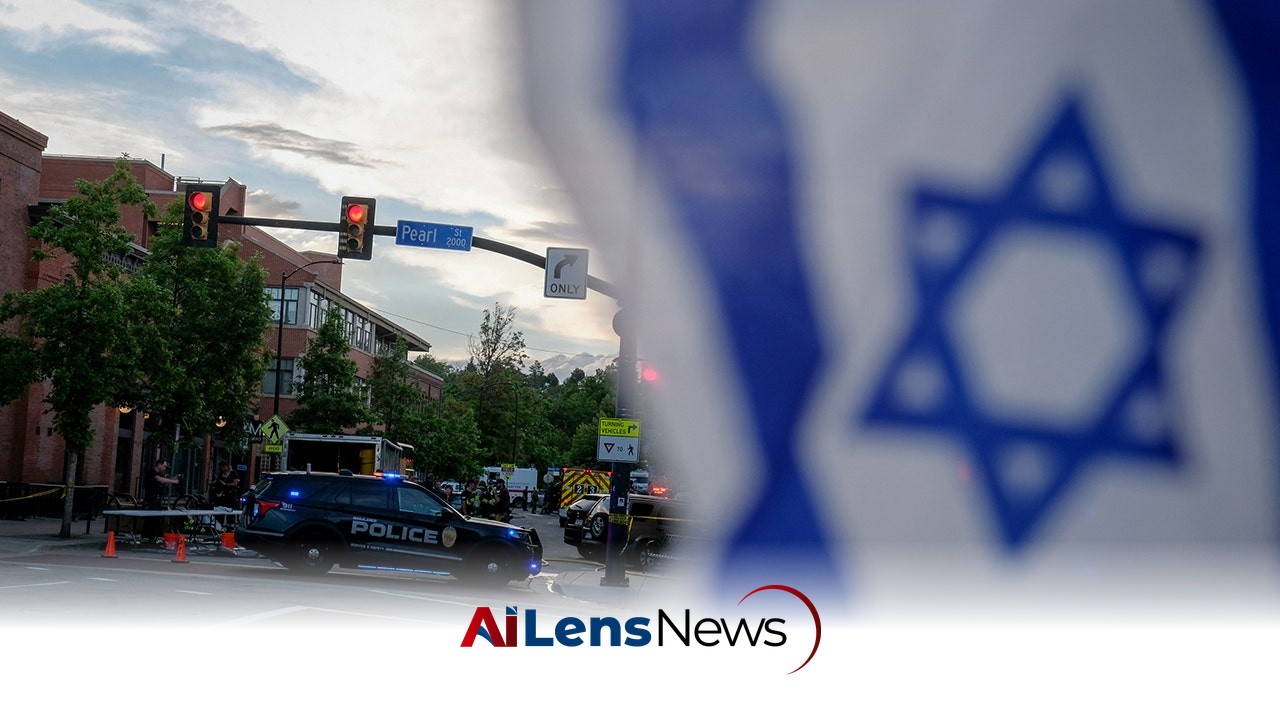


A suspect has been arrested following two stabbing incidents in Manhattan's Upper West Side, described as antisemitic attacks by city officials.
Washington DC, United States Jul 24, 2026 ALN: A suspect is in custody after two men were stabbed in Manhattan's Upper West Side Thursday afternoon in what city officials described as a pair of apparent "antisemitic" attacks. This incident, which has drawn widespread attention and condemnation, highlights ongoing concerns regarding antisemitism and violence in urban areas, particularly in New York City, which has one of the largest Jewish populations in the United States.
The New York City Police Department (NYPD) reported that one of the victims is Jewish and that witnesses heard the suspect yell "Allahu Akbar" during both assaults. This phrase, which translates to "God is great" in Arabic, has been used in various contexts and can evoke strong reactions, especially in the wake of violent incidents. The invocation of such a phrase during an attack raises alarms about the motivations behind the violence and the potential for it to be classified as a hate crime.
Investigators are evaluating whether the reported attacks should be classified as hate crimes and have identified the suspect as Raul Morales, 51, in connection with both assaults. The classification of the attacks as hate crimes is significant, as it can lead to enhanced penalties and reflect broader societal issues surrounding intolerance and discrimination. Police Commissioner Jessica Tisch stated, "Detectives are continuing to work the case and determine motive, but according to victim and witness statements, Morales yelled ‘Allahu Akbar’ during both attacks." This statement indicates that the investigation is still in its early stages, with detectives piecing together evidence and testimonies to understand the full context of the assaults.
The stabbings occurred near West 84th Street and Central Park West, an area known for its vibrant Jewish community. This neighborhood has historically been a center for Jewish life in New York City, with numerous synagogues, community centers, and cultural institutions. The choice of location for these attacks may not be coincidental, as it underscores the vulnerability of specific communities to targeted violence.
Hours after the attack, New York City Mayor Zohran Mamdani, who recently called on the federal government to arrest Israeli Prime Minister Benjamin Netanyahu, described the incidents as "horrifying stabbings" and noted that the victims were an Asian man and a Jewish man. The mention of the victims' backgrounds is crucial in understanding the broader implications of the attacks, as it reflects the intersectionality of identity and the potential for violence to affect multiple communities.
According to the NYPD, the victims were stabbed in what appeared to be two separate attacks that occurred near one another. A 57-year-old man was reportedly attacked near West 84th Street just after 1:30 p.m. local time. Officials said officers found him conscious and alert with a stab wound to his back. He was taken to a local hospital in stable condition. Investigators later found a 50-year-old man nearby with a stab wound to his torso. He was also conscious and alert and was taken to a nearby hospital in stable condition. The fact that both victims were conscious and alert when found suggests that the injuries, while serious, may not be life-threatening, which is a small relief amidst the severity of the situation.
Initial NYPD findings suggest that mental health may have been a factor. "While the perpetrator has no known mental health history with the NYPD, the initial investigation suggests that mental health may have been a factor," Tisch said. This statement opens up discussions about the role of mental health in violent crimes and the necessity for comprehensive mental health support systems, particularly in urban environments. The relationship between mental health and violence is complex and often requires nuanced understanding and intervention.
WABC reported that police are investigating whether the suspect used a knife or a screwdriver during the alleged attacks. The choice of weapon can influence the nature of the crime and the charges that may be brought against the suspect. The use of a screwdriver, for example, may suggest a more impulsive or opportunistic attack, while a knife could indicate premeditated intent.
City Council Speaker Julie Menin expressed her outrage, stating, "I am absolutely sickened and furious by what appears to be an antisemitic stabbing on the Upper West Side." Her strong condemnation reflects the sentiments of many community leaders and residents who are increasingly concerned about rising antisemitism and violence against marginalized groups. Menin emphasized the need for a united front against hate, stating, "The fear in the Jewish community is real. Every New Yorker deserves to feel safe in their neighborhood, regardless of their faith or identity." This statement resonates with many in the community who feel that safety and security are fundamental rights that should be guaranteed to all individuals.
Menin added, "We must remain united in condemning antisemitism and ensuring those responsible are held fully accountable. I thank the NYPD for its swift response in apprehending the assailant." The call for accountability is crucial in addressing the root causes of hate crimes and ensuring that justice is served. It also underscores the role of law enforcement in protecting vulnerable communities and responding effectively to incidents of violence.
New York Assembly member Micah Lasher, a Jewish representative of the area, stated that he is in contact with investigators. "I am in touch with the NYPD and community leaders about the stabbing of two individuals on the Upper West Side today," Lasher said. His involvement highlights the importance of political leadership in addressing community concerns and ensuring that appropriate measures are taken to safeguard residents. "I am praying for the survival and recovery of the victims and will provide more information as I have it," he added, emphasizing the human aspect of the incident and the need for compassion in the aftermath of violence.
Governor Kathy Hochul also weighed in, posting on social media that she is "disgusted by what appears to be another senseless attack on New Yorkers simply because they’re Jewish." Her statement reflects a growing concern among state leaders regarding the safety and security of Jewish communities in New York, especially in light of rising antisemitic incidents across the country. Hochul continued, "The strength of New York has always been our ability to live together across every faith and background. Anyone who tries to tear that apart will be met with the full force of the law. New York will stand with our Jewish community today, tomorrow, and always." This commitment to solidarity is essential in fostering a sense of community resilience in the face of hate and violence.
In a broader context, the incident has drawn reactions from various political figures, including the Minister of Foreign Affairs of the State of Israel, Gideon Sa'ar, who expressed that he was "appalled but sadly not surprised" by the incident. Sa'ar attributed the violence to a climate created by political rhetoric, specifically blaming Mayor Mamdani for inciting hostility towards Jews. He stated, "This violence did not happen in a vacuum. Months of incitement against the Jewish state from Mamdani have helped create a climate in which Jews are targeted. Words have consequences. Mamdani must end the incitement, confront antisemitism with resolve, and act now to protect the city’s Jewish community." This perspective illustrates the intersection of local politics and international relations, as the rhetoric used by political leaders can have far-reaching implications for community dynamics and safety.
Mamdani's office, along with the FBI, did not immediately respond to further inquiries, leaving some questions unanswered as the investigation continues. The lack of immediate response from city officials may contribute to community anxiety as residents seek assurance regarding their safety and the steps being taken to address the situation.
This incident is part of a troubling trend of rising antisemitism and violence against Jewish individuals and communities, not just in New York but across the United States and globally. The implications of such attacks extend beyond the immediate victims, affecting community cohesion, interfaith relations, and the overall sense of security for marginalized groups. As cities grapple with these challenges, the need for effective policies and community engagement becomes increasingly critical.
As the investigation unfolds, community members and leaders will be watching closely to see how the situation is handled and what measures will be implemented to prevent future incidents. The call for unity against hate and the commitment to safeguarding vulnerable populations will be essential in fostering a more inclusive and safe environment for all residents.
This is a developing story. Please check back for updates.
To learn more about the latest developments in Crime & Law, stay updated with our exclusive reports and analyses on AiLensNews.

