

The residents of St. Mary’s, Newfoundland, are relieved as the foul smell of rotten fish sauce, which has plagued their community for years, is finally being eliminated.
Washington DC, United States Jul 31, 2026 ALN: The townspeople of St. Mary’s can now breathe a sigh of relief. They are finally getting rid of the foul smell of rotten fish that has for years wafted over their tiny community in Canada’s easternmost province. This long-standing issue has not only affected the quality of life for residents but has also served as a reminder of the environmental challenges faced by small communities reliant on industrial activities.
The unpleasant odor originated from an abandoned fish sauce factory that had been left to decay, causing distress among the residents. The factory, once a local business, had ceased operations, but its remnants continued to affect the quality of life in St. Mary’s. The factory had been a part of the local economy for decades, providing jobs and contributing to the community’s identity. However, as the demand for fish sauce fluctuated and production costs rose, the factory ultimately shut down, leaving behind not only its physical structures but also a legacy of environmental neglect.
As the factory closed, the community experienced a significant economic downturn. The loss of jobs and the closure of a local business left many residents struggling to adapt. The factory’s infrastructure deteriorated over the years, with vats that once held fish sauce becoming breeding grounds for bacteria, leading to the release of noxious odors that permeated the town. Residents reported that the smell was particularly strong during warmer months, making outdoor activities unbearable and affecting their overall quality of life. The issue became a point of contention at town hall meetings, where residents voiced their frustrations and urged local officials to take action.
Mayor Steve Ryan expressed gratitude for the support from local authorities and environmental agencies that have stepped in to address the issue. "This has been a long time coming, and we are thankful for the efforts made to restore our community’s air quality," he stated during a press conference. The mayor’s remarks reflect a broader sentiment within the community, where residents have long felt neglected in their pleas for help. The odor not only affected daily life but also had implications for mental health, as the constant reminder of decay and neglect weighed heavily on the community's spirit.
In recent years, the community rallied together, organizing petitions and campaigns to raise awareness about the factory’s impact on their lives. Social media played a significant role in amplifying their voices, with residents sharing their experiences and urging for action. Local environmental groups also joined the cause, advocating for the cleanup and restoration of the site. Their collective efforts helped draw attention to the issue, ultimately leading to the involvement of higher levels of government and environmental agencies. This grassroots activism not only highlighted the importance of community engagement but also demonstrated how local issues can resonate on larger platforms.
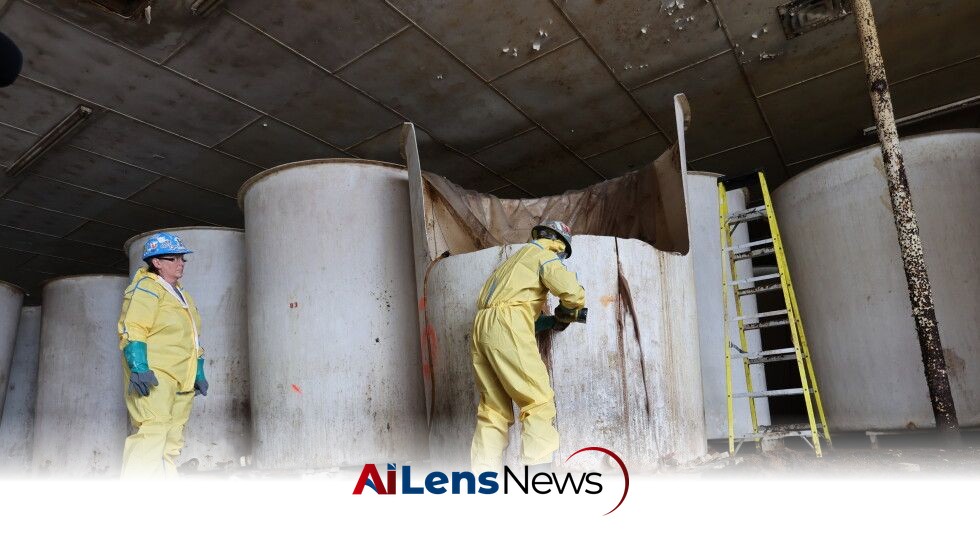
On July 28, 2026, workers began the process of removing the sludge from the factory's vats, marking a significant step toward eliminating the odor. Residents gathered to witness the cleanup, hopeful for a return to normalcy. The removal process was not only a physical cleanup but also a symbolic gesture of reclaiming their community. As workers donned protective gear and began the arduous task of clearing out the remnants of the factory, cheers erupted from onlookers who had long awaited this moment. The event was a celebration of resilience and determination, showcasing the community's ability to come together for a common goal.
The cleanup involved a comprehensive approach, including the safe disposal of hazardous materials and the decontamination of the site. Environmental specialists were brought in to ensure that the process adhered to safety regulations and that the surrounding area was protected during the removal activities. The town’s commitment to transparency was evident as updates were regularly provided to residents, keeping them informed of the progress and any potential impacts on their daily lives. This level of communication helped to build trust between the community and the officials managing the cleanup efforts.
With the removal of the fish sauce remnants, the town plans to explore potential redevelopment options for the site. Community members are optimistic that new businesses could replace the old factory, bringing fresh opportunities to St. Mary’s. Discussions have already begun regarding the possibility of transforming the area into a community park or a mixed-use development that could include retail spaces and recreational facilities. The idea of creating a vibrant community hub has sparked enthusiasm among residents, who envision a space that fosters social interaction and economic growth.
Local business owners have expressed interest in the site, envisioning a revitalization that could attract tourists and residents alike. The town’s strategic location near the coast presents unique opportunities for ventures related to fishing, tourism, and local cuisine. The hope is that by turning a negative into a positive, St. Mary’s can foster economic growth and enhance the overall quality of life for its residents. This redevelopment could also serve as a model for other communities facing similar challenges, illustrating the potential for transformation following environmental remediation.
The removal of the rotten fish sauce smell is a victory for the residents of St. Mary’s, who have long endured the unpleasantness. As the cleanup progresses, the community looks forward to a brighter, more pleasant future. This event not only signifies the end of an era marked by distress but also heralds the beginning of new possibilities for the town. The journey toward recovery has reinforced the importance of environmental stewardship and community advocacy.
As the community moves forward, the experience has instilled a sense of resilience among the residents. They have learned the importance of advocacy and collaboration, recognizing that their voices can lead to meaningful change. The cleanup serves as a reminder of the power of community action and the significance of maintaining a healthy environment for future generations. The lessons learned from this situation will likely inspire residents to remain engaged in local governance and environmental issues, ensuring that their community continues to thrive.
In the coming months, as plans for redevelopment take shape, the residents of St. Mary’s will continue to engage in discussions about the future of their community. The fish sauce factory saga has not only highlighted the environmental challenges faced by small towns but has also demonstrated the potential for recovery and renewal through collective action. With renewed hope and determination, the people of St. Mary’s are poised to embrace the opportunities that lie ahead, transforming their community into a model of resilience and innovation.
To learn more about the latest developments in Crime & Law, stay updated with our exclusive reports and analyses on AiLensNews.

