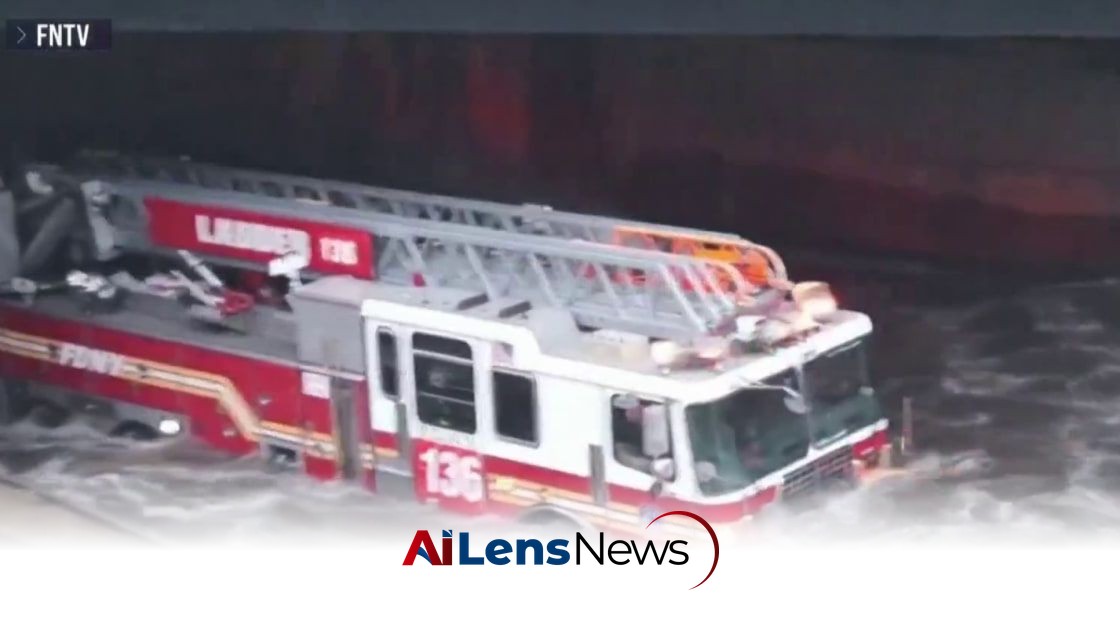


Severe storms are endangering over 100 million people in the Northeast, causing flash flooding and coinciding with lingering Canadian wildfire smoke.
Washington DC, United States Jul 19, 2026 ALN: Severe storms are currently threatening more than 100 million people across the Northeast United States. These storms have already begun to trigger flash flooding in various areas, creating hazardous conditions for residents. The scale and intensity of these storms highlight the increasing volatility of weather patterns that have been observed in recent years, raising concerns about climate change and its impact on severe weather events.
The storms are part of a larger weather pattern that has been exacerbated by the presence of Canadian wildfire smoke, which continues to linger over several American cities. This combination of severe weather and poor air quality is raising concerns among officials and residents alike. The smoke from wildfires can travel vast distances, affecting air quality and visibility even in areas far removed from the fire's origin. This phenomenon underscores the interconnectedness of environmental issues, where localized events can have widespread implications.
As the storms develop, many regions are experiencing heavy rainfall, strong winds, and potential hail. Local authorities are urging residents to stay alert and take necessary precautions to ensure their safety. Flash flood warnings have been issued in multiple areas, prompting emergency services to prepare for possible rescues and evacuations. The risk of flash flooding is particularly high in urban areas where drainage systems may be overwhelmed by sudden downpours, leading to hazardous driving conditions and potential property damage.
Severe thunderstorms can produce damaging winds that can uproot trees, down power lines, and cause significant structural damage. In addition, hail can lead to destruction of crops and property, further complicating the situation for many residents. The National Weather Service has been actively monitoring these storms and issuing warnings to keep the public informed of any developments. The agency’s role is crucial, as timely information allows individuals and communities to make informed decisions regarding safety and preparedness.
In addition to the storms, the wildfire smoke from Canada is contributing to air quality issues. Residents in affected areas are advised to limit outdoor activities, especially those with respiratory conditions. The smoke can cause a range of health problems, including difficulty breathing and eye irritation. Vulnerable populations such as children, the elderly, and individuals with pre-existing health conditions are at a higher risk and should take extra precautions.
The presence of wildfire smoke can also exacerbate existing health issues, such as asthma and chronic obstructive pulmonary disease (COPD). Public health officials are urging residents to monitor air quality reports and take necessary measures, such as using air purifiers indoors and wearing masks if they must go outside. These precautions are critical in minimizing health risks during this period of poor air quality. Moreover, the psychological impacts of such environmental stressors can also affect mental health, particularly in communities already facing economic and social challenges.
Officials are closely monitoring the situation and will provide updates as the storms progress. Residents are encouraged to remain vigilant and prioritize their safety during this challenging weather event. Local emergency management agencies are on high alert and ready to assist communities that may be affected by flooding or severe weather conditions. This readiness is essential, as rapid response can significantly mitigate the impacts of such disasters.
In conclusion, the convergence of severe storms and lingering wildfire smoke presents a dual threat to public safety in the Northeast. It is crucial for individuals to stay informed and prepared as conditions evolve. The current situation serves as a reminder of the growing need for communities to adapt to changing climate patterns and invest in infrastructure that can withstand extreme weather events. As the frequency and intensity of such storms increase, the importance of public awareness and preparedness cannot be overstated.
Moreover, the ongoing challenges posed by climate change necessitate a broader discussion about environmental policies and practices aimed at reducing greenhouse gas emissions and mitigating the effects of global warming. The implications of these weather events extend beyond immediate safety concerns, prompting discussions about long-term strategies for resilience and sustainability in the face of an uncertain climate future. The need for comprehensive climate action is becoming increasingly urgent as communities face the realities of more frequent and severe weather events.
As communities come together to face these challenges, it is essential that they prioritize collaboration and communication. Engaging with local officials, participating in community preparedness initiatives, and sharing information can empower residents to navigate these tumultuous times more effectively. The resilience of communities in the Northeast will be tested in the coming days, but with proper preparation and awareness, they can weather the storm and emerge stronger. This collective effort not only enhances immediate safety but also fosters a sense of community solidarity that can be vital in overcoming future challenges.
Ultimately, the events unfolding in the Northeast serve as a critical reminder of the interconnected nature of our environment and the urgent need for proactive measures to address both immediate and long-term risks associated with climate change. As weather patterns continue to shift, it is imperative that individuals, communities, and policymakers work together to develop strategies that not only respond to current challenges but also anticipate future risks. This holistic approach to climate resilience will be essential in safeguarding public health and safety in an increasingly unpredictable world.
To learn more about the latest developments in Crime & Law, stay updated with our exclusive reports and analyses on AiLensNews.

