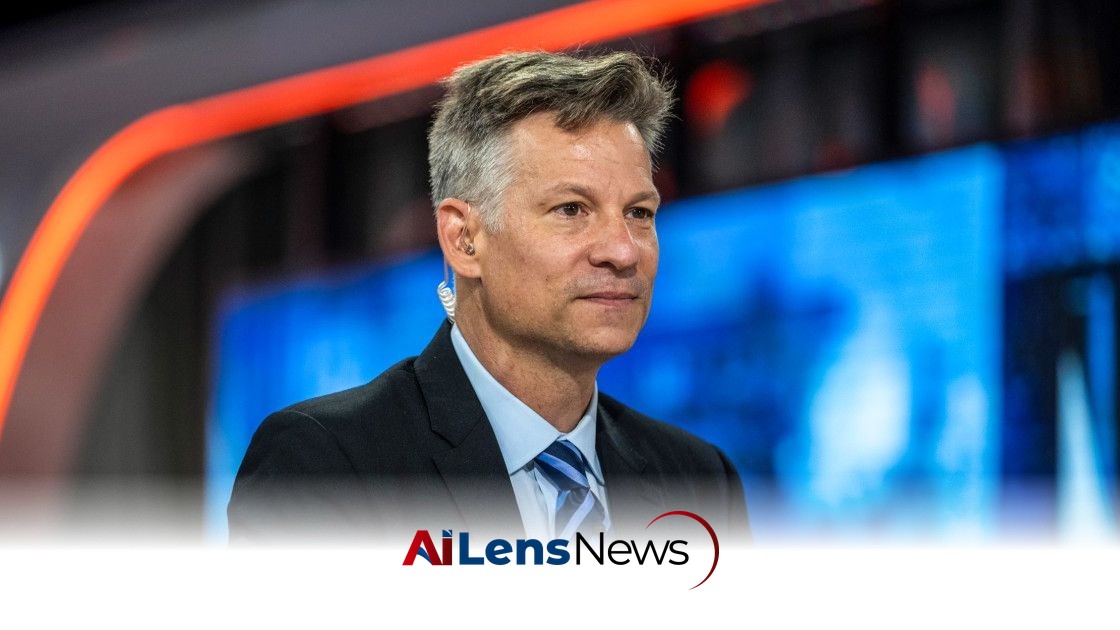


As the U.S. enters its fifth month of conflict with Iran, NBC News' Richard Engel invites questions for an upcoming Q&A session.
Washington DC, United States Jul 22, 2026 ALN: The ongoing conflict between the United States and Iran has escalated significantly over the past few months, marking a critical juncture in international relations and military engagement in the region. As the United States enters its fifth month of war with Iran, the implications of this conflict resonate not only within the borders of these two nations but also across the broader Middle Eastern landscape and beyond. The situation is complex, with historical grievances, strategic interests, and regional dynamics all playing pivotal roles in shaping the current state of affairs.
Richard Engel, NBC News’ chief foreign correspondent, has been at the forefront of reporting on this dynamic situation. His extensive experience and insights into the complexities of the Middle East make him a valuable resource for understanding the nuances of the conflict. Engel's recent return from Iran, where he covered the funeral of the former supreme leader, Ayatollah Ali Khamenei, underscores the significant changes taking place within the Iranian political landscape. Khamenei's death marked the end of an era and has led to questions regarding the future direction of Iran's governance and its foreign policy. The transition of power in Iran is particularly critical, as it may influence the country’s approach to its adversaries, including the United States.
The backdrop of Engel's reporting is crucial to understanding the current state of affairs. The United States and Iran have a long and tumultuous history, characterized by periods of tension and hostility, particularly since the 1979 Iranian Revolution. The U.S. has often viewed Iran as a destabilizing force in the region, particularly due to its support for proxy groups in Lebanon, Syria, and Yemen, as well as its contentious nuclear program. The assassination of Iranian General Qassem Soleimani in January 2020 by a U.S. drone strike further escalated tensions, leading to retaliatory actions from Iran and a cycle of violence that has continued to evolve.
In recent months, the conflict has intensified, leading to military engagements and airstrikes. The U.S. government has justified its actions as necessary to protect American interests and personnel in the region, citing threats from Iranian-backed militias and direct Iranian aggression. This military engagement has raised concerns among international observers and allies, who fear that a prolonged conflict could destabilize the region further and lead to a broader war. The potential for escalation remains a pressing concern, with many analysts warning that miscalculations on either side could lead to a wider confrontation.
Engel's coverage of the conflict has included on-the-ground reporting from various locations, providing a human perspective on the impact of war on civilians and soldiers alike. His insights into the sentiments of the Iranian populace, particularly following the death of Khamenei, reveal a society grappling with grief, uncertainty, and the potential for change. Engel has emphasized the importance of understanding the Iranian public's perspective, as it is often overshadowed by political narratives and military strategies. The voices of ordinary Iranians, who may be affected by sanctions, military actions, and internal political shifts, are crucial in comprehending the broader implications of the conflict.
The upcoming Q&A session with Richard Engel presents an opportunity for the public to engage with a seasoned journalist who has firsthand experience in the region. Engel's willingness to answer questions reflects a broader trend in journalism where reporters seek to demystify complex geopolitical issues and provide clarity to audiences. This engagement is particularly relevant in the context of the current war, as many individuals seek to understand the motivations behind U.S. actions, the responses from Iran, and the implications for regional stability. The dialogue between journalists and the public serves to bridge the gap between complex international events and the everyday concerns of citizens.
As the Q&A approaches, several key questions emerge regarding the future of U.S.-Iran relations. What are the potential scenarios for de-escalation? How might the internal political dynamics in Iran change following Khamenei's death? What role do regional allies, such as Saudi Arabia and Israel, play in this conflict? These questions are critical for comprehending the broader implications of the war and the potential for future diplomatic efforts. Understanding the interplay between U.S. foreign policy and the actions of regional players can shed light on the pathways available for peace and stability.
Furthermore, the conflict has significant implications for global energy markets, as Iran is a major player in the oil industry. Disruptions to oil supplies due to military actions or sanctions can lead to fluctuations in global oil prices, affecting economies worldwide. Engel's reporting on the economic ramifications of the conflict will be essential for understanding how the war impacts not only the immediate region but also global economic stability. The interconnectedness of global markets means that instability in the Middle East can have far-reaching consequences, influencing everything from fuel prices to international trade agreements.
In addition to the economic considerations, the war's implications for international law and human rights cannot be overlooked. As military operations continue, there are increasing concerns about civilian casualties and the humanitarian impact of the conflict. Engel's insights into these issues will be crucial for shedding light on the ethical considerations surrounding military engagement and the responsibilities of nations in conflict. The protection of civilians in war zones, adherence to international humanitarian law, and the accountability of military actions are vital topics that require ongoing attention and discussion.
As the date for the Q&A approaches, audiences are encouraged to submit their questions, reflecting a desire for transparency and understanding in a time of uncertainty. Engel's expertise and experience provide a unique lens through which to view the ongoing war with Iran, and his responses will likely contribute to a more informed public discourse on this critical issue. The willingness of journalists like Engel to engage with the public underscores the importance of informed dialogue in navigating complex geopolitical landscapes.
In conclusion, the war with Iran is a complex and evolving situation that requires careful analysis and understanding. Richard Engel’s role as a journalist in this context is invaluable, as he brings attention to the human stories behind the headlines and the broader implications of military conflict. The upcoming Q&A offers a platform for dialogue and inquiry, enabling the public to engage with pressing questions about the future of U.S.-Iran relations and the impact of the war on the region and the world. As the situation continues to unfold, the need for informed perspectives and comprehensive reporting will be essential in shaping public understanding and policy responses to this ongoing crisis.
To learn more about the latest developments in Crime & Law, stay updated with our exclusive reports and analyses on AiLensNews.

