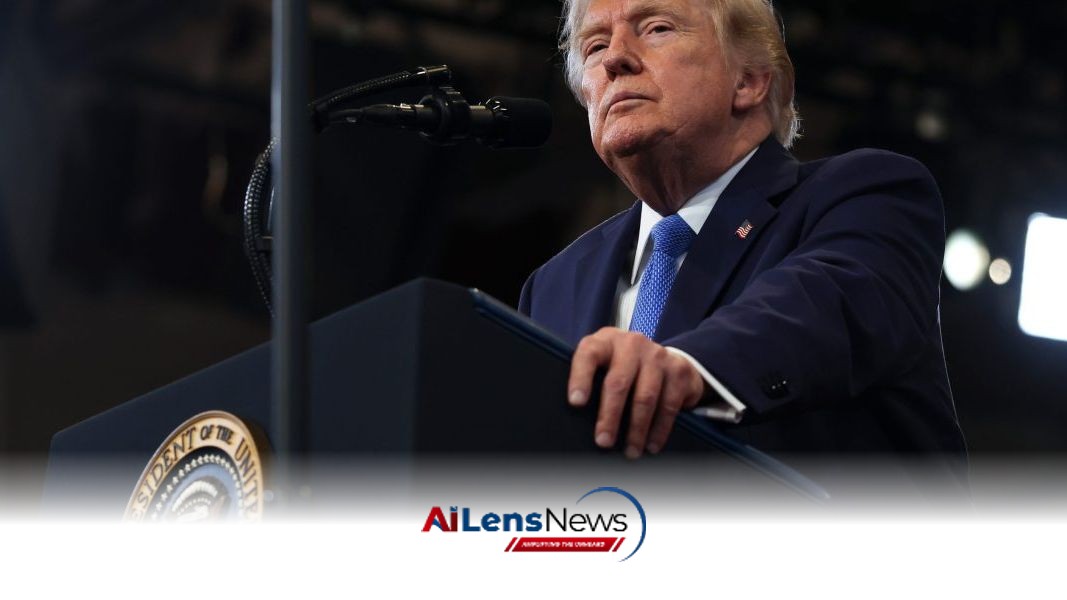



Republicans express concern over Trump's decision to allow more foreign beef imports, fearing it undermines U.S. cattle producers and market stability.
Washington DC, United States Aug 22, 2026 ALN: President Donald Trump announced on Friday that his administration will temporarily allow increased beef imports into the United States without triggering higher tariffs, a decision that has drawn immediate criticism from cattle producers and conservative Republicans, particularly those representing rural states. This move comes at a time when beef prices have surged to record highs, driven by a combination of factors including a decrease in the U.S. cattle population, sustained consumer demand for beef, and restrictions on cattle imports from Mexico due to a pest problem affecting livestock there.
The U.S. beef market is currently experiencing significant pressure, with prices rising sharply. According to industry experts, the decline in the number of cattle in the U.S. has been a critical factor contributing to these rising prices. In addition, the ongoing demand for beef among consumers has not waned, even as the supply chain has faced challenges. The situation has been exacerbated by the imposition of a 50% tariff on beef imports from Brazil, one of the largest beef exporters in the world, further complicating the market dynamics.
As the November midterm elections approach, Trump is under increasing pressure to address rising costs and affordability issues for American consumers. However, the decision to allow more foreign beef imports has raised concerns among ranchers, who have traditionally been among Trump's staunchest supporters. Many ranchers are enjoying a rare profitable period, but they fear that an influx of cheaper beef imports could drive down cattle prices, ultimately reducing their incentive to expand their herds.
Senator Deb Fischer, a Republican from Nebraska, voiced her concerns in a statement, emphasizing the need to balance consumer interests with the well-being of American producers. "We all want lower grocery prices, but as I’ve said for months, we cannot do it at the expense of American producers," Fischer stated. She highlighted that flooding the market with foreign beef could undermine the long-term solution of increasing the U.S. cattle herd to meet demand.
Similarly, Senator Tim Sheehy from Montana expressed his concerns through social media, stating that while he believes Trump’s intentions are good, the decision to import more beef could negatively impact ranching families who play a crucial role in feeding the nation. Senator Pete Ricketts, also from Nebraska, acknowledged the administration's focus on grocery prices but cautioned that short-term policy changes do not equate to long-term solutions for the agricultural sector.
The specifics of the deal announced by Trump allow for the importation of up to 300,000 metric tons of ground beef into the U.S. over the next 90 days without activating an "out of quota" tariff. This type of tariff is typically levied once a certain quantity of a product has entered the country, making the deal significant in terms of trade policy. Trump stated on social media that he had secured an agreement with foreign beef exporters to sell the imported beef at a price 25% lower than current market rates, which he claimed would benefit American consumers.
However, industry leaders have raised alarms about the potential negative impacts of this decision. Justin Tupper, president of the U.S. Cattlemen’s Association, criticized the move, stating, "You don’t put America first by putting U.S. cattle producers last. This move will weaken our markets and gamble with food safety in the process." Colin Woodall, CEO of the National Cattlemen’s Beef Association, echoed these sentiments, arguing that the president's announcement and other market interventions prioritize short-term messaging over long-term stability for the cattle industry.
Experts in agricultural economics are also weighing in on the implications of this deal. Glynn Tonsor, a professor at Kansas State University who specializes in the cattle and beef industry, expressed a desire for more details regarding the agreement but indicated that, based on his initial assessment, the impact on prices might be minimal. He noted that the 300,000 metric tons of beef represents approximately 3% of the total beef consumption in the United States annually, suggesting that the relative scale of the imports might not significantly affect the overall market.
David Anderson, a professor of agricultural economics at Texas A&M University, expressed skepticism about whether other countries could redirect such a large volume of beef to the U.S. in a short timeframe. This skepticism highlights the complexities of international trade and the logistical challenges that accompany sudden increases in import volumes. As the beef market continues to navigate these turbulent waters, the implications of Trump's decision will likely unfold in the coming months, particularly as midterm elections draw near and the administration seeks to balance consumer affordability with the interests of domestic producers.
To learn more about the latest developments in Agriculture & Rural Affairs, stay updated with our exclusive reports and analyses on AILensNews.

