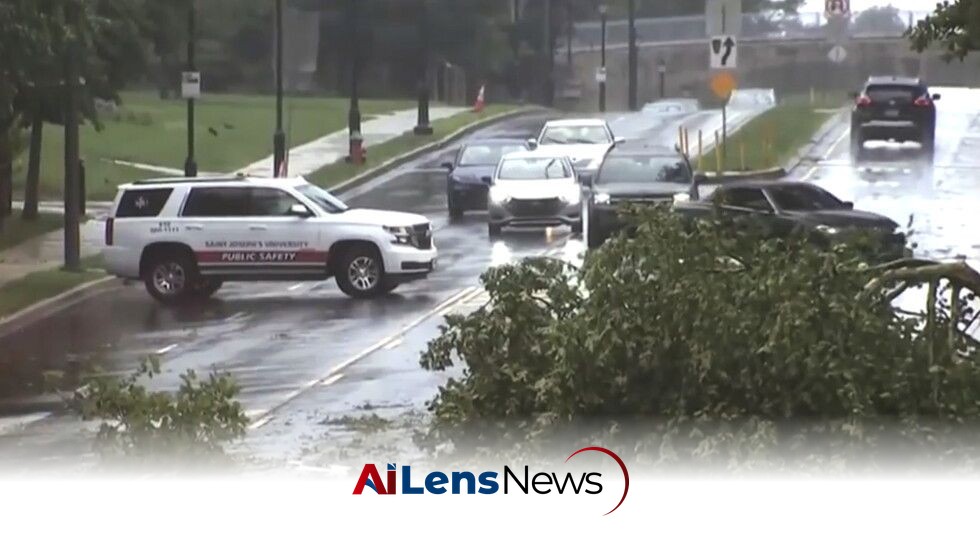


Residents in Philadelphia and surrounding counties are assessing damage after severe microburst storms brought winds up to 70 mph, downing trees and flooding streets.
Washington DC, United States Jul 13, 2026 ALN: Residents of Philadelphia and nearby counties are currently engaged in a significant cleanup and assessment process following a series of severe storms known as microbursts. These storms, which struck the area on Saturday, produced winds reaching up to 70 miles per hour, leading to extensive destruction. Microbursts are a weather phenomenon characterized by intense downdrafts that can cause localized damage often more severe than that of larger storms. Typically occurring in thunderstorms, microbursts can lead to rapid and extreme changes in wind speed and direction, making them particularly dangerous.
Microbursts are a type of downburst, which is a strong downdraft that can cause damaging winds at the surface. They are notably brief, lasting anywhere from a few seconds to several minutes, but their effects can be devastating. Meteorologists categorize microbursts into two types: wet and dry, with wet microbursts associated with heavy rainfall and dry microbursts occurring in dry conditions. The sudden and powerful nature of microbursts can lead to severe wind shear, which poses significant risks to aviation and can cause damage to structures and vegetation.
The recent storms resulted in downed trees and power lines, flooding several streets, and even caused at least one building to collapse. The collapse sent bricks and debris into the street, crushing parked cars and blocking trolley tracks. The damage was not limited to the physical destruction; it also disrupted daily life for many residents. Schools and businesses were forced to close, and public transportation faced significant delays and reroutes due to the debris and flooding. Emergency services reported multiple incidents of property damage and injuries, although thankfully no fatalities were reported.
The intensity of the storms caught many off guard, as microbursts can develop quickly and without much warning. Meteorologists emphasize that such weather events are becoming more common as climate change continues to influence weather patterns. The Philadelphia area, like many urban centers, faces unique challenges when it comes to storm impacts due to its dense infrastructure and population. With a significant number of older buildings and an extensive network of power lines, the city is particularly vulnerable to the effects of severe weather.
In response to the chaos caused by the storms, emergency services have been deployed to assist residents affected by the severe weather. Authorities are working diligently to clear the streets of debris and restore power to the affected areas. Many residents are left without electricity, and utility crews are working tirelessly to address the outages. Utility companies have mobilized additional resources to expedite the restoration process, but they face challenges due to the extent of the damage and the need for safety precautions when working around downed power lines.
Local government officials have urged residents to stay indoors where possible and to avoid any areas where power lines are down. In instances of flooding, they have advised against driving through flooded streets, as even shallow water can pose a significant risk to vehicles. Emergency shelters have been established for those who have been displaced from their homes due to storm damage, and local agencies are coordinating efforts to provide food and medical assistance to those in need.
Amid the destruction, local community organizations are stepping up to provide support to those impacted by the storms. Volunteers are assisting in cleanup efforts, helping to remove fallen trees and debris from homes and streets. The community's resilience is evident as residents come together to support one another during this challenging time. Neighborhood groups have organized volunteer days to assist elderly or disabled residents who may need extra help in the aftermath of the storms. Social media platforms have also been utilized to coordinate these efforts, with residents sharing resources and updates on the situation.
In addition to physical assistance, mental health resources are being made available to those who may be struggling with the emotional aftermath of the storms. Community centers are offering counseling services and support groups to help residents process the events and begin to heal. This focus on mental well-being highlights the comprehensive approach the community is taking towards recovery, recognizing that the impacts of such disasters extend beyond the physical damage. The emotional toll of severe weather events can often be overlooked, but community leaders are prioritizing mental health as a critical component of the recovery process.
As the cleanup continues, local officials are urging residents to remain cautious and avoid areas with downed power lines. They are also advising those affected to report any damage to their property to ensure they receive the necessary assistance. Insurance companies are beginning to assess claims, and residents are encouraged to document any damage thoroughly to facilitate the claims process. This documentation can be crucial in ensuring that residents receive adequate support from their insurance providers.
Officials are also discussing long-term strategies to improve the city's resilience to such storms in the future. This includes investing in infrastructure improvements, such as better drainage systems to manage flooding, and enhancing emergency response protocols to ensure quicker and more effective responses to severe weather events. Community forums are being planned to engage residents in discussions about preparedness and recovery, allowing them to voice their concerns and suggestions. These proactive measures aim to mitigate the impact of future storms and enhance the city’s overall readiness for extreme weather.
The severe microburst storms have left a lasting impact on the Philadelphia area, but the community's spirit and determination to recover are strong. As residents begin to rebuild, the focus will be on restoring normalcy and ensuring safety for all. The storms serve as a reminder of the unpredictable nature of weather and the importance of community solidarity in the face of adversity. While the road to recovery may be long, the collaborative efforts of residents, local organizations, and government agencies illustrate the strength of the Philadelphia community. The events of this weekend will likely lead to increased awareness and preparedness for future weather events, fostering a culture of resilience among residents.
To learn more about the latest developments in Local & Regional, stay updated with our exclusive reports and analyses on AiLensNews.

