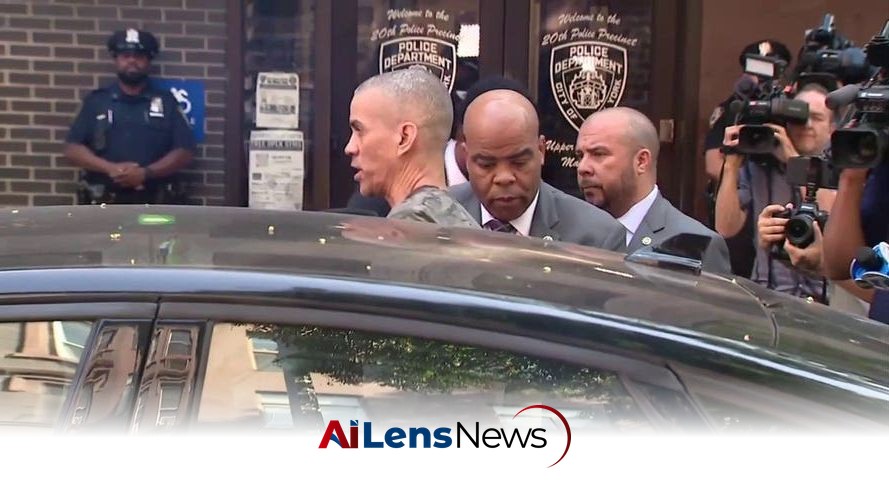


Raul Morales, accused of stabbing two men while allegedly shouting 'Allahu Akbar', faces multiple charges, including hate crimes. Investigators are exploring possible motives.
Washington DC, United States Jul 25, 2026 ALN: The recent stabbing incidents on Manhattan's Upper West Side have sparked significant concern and outrage within the community and beyond. The man accused of these attacks, Raul Morales, 51, is facing severe charges, including attempted murder and hate crime counts. The New York City Police Department (NYPD) has reported that the victims of these attacks were targeted based on their identities, raising alarm about the rise of hate crimes in urban areas.
Morales allegedly stabbed two individuals while shouting "Allahu Akbar," a phrase that has been associated with Islamic faith but has also been misappropriated in the context of violent acts. This incident is particularly troubling as it not only involves violence but also suggests a potential bias against specific communities, as one victim is identified as Jewish and the other as Asian. The NYPD is actively investigating the motivations behind these attacks, looking into whether Morales's actions were influenced by any ideological beliefs.
During a perp walk, Morales was seen making statements to the media, including a declaration of "Justice for the Romero family," which has left many puzzled about the identity of the Romero family and the context of his remarks. This aspect of the case adds a layer of complexity, as it raises questions about Morales's mental state and possible connections to other individuals or events that may have influenced his actions. The mention of the Romero family has led to speculation about whether there are underlying grievances or a specific incident that Morales was referencing, further complicating the narrative surrounding his motivations.
Witnesses and neighbors of Morales have expressed their shock and disbelief regarding the allegations against him. Many described him as a seemingly ordinary individual who had not exhibited violent or erratic behavior in the years they had known him. This reaction underscores a common phenomenon in communities where individuals may struggle to reconcile their perceptions of a person with the actions they commit. It highlights the often-surprising nature of violent crime, where individuals who appear stable can suddenly engage in acts of aggression, leaving friends and neighbors grappling with the abrupt shift in their understanding of that person.
The attacks reportedly occurred in close proximity to one another on a Thursday afternoon, but law enforcement officials have indicated that there is no known connection between Morales and either victim or between the two victims themselves. This detail is crucial, as it suggests that Morales's actions may have been impulsive rather than premeditated, although the presence of hate crime charges indicates a more complex motive. The randomness of the attacks raises concerns about public safety, as it implies that anyone could potentially be a target, heightening fear within the community.
Following the stabbings, investigators executed a search warrant at Morales's Upper West Side apartment to gather more information and potentially uncover evidence that could explain his motivations. However, police have not disclosed any findings from the search, leaving many questions unanswered. The lack of a known mental health history for Morales further complicates the investigation, as authorities seek to understand what led to such violent behavior. The absence of a documented history raises concerns about the challenges in identifying individuals who may pose a risk to others, emphasizing the need for better mental health resources and intervention programs.
Both victims were transported to a hospital and are currently in stable condition, which is a relief amid the alarming nature of the attacks. Initial assessments suggest that mental health issues could have played a role in Morales's actions, despite the absence of a documented history with mental health services. This aspect of the case brings to light the ongoing discussions surrounding mental health in relation to violent crime, as well as the challenges in identifying individuals who may pose a risk to others. The intersection of mental health and violence remains a contentious topic, with advocates calling for improved access to mental health care and preventative measures to address potential threats before they escalate.
Morales's criminal history includes prior drug charges, with reports indicating that he served approximately two years in state prison in the early 1990s. His history of drug possession arrests and probation raises questions about his past behavior and whether it may provide insight into his current actions. The community is left grappling with the implications of his past as they seek to understand the motivations behind the stabbings. Understanding the trajectory of Morales's life, including any potential struggles with addiction or mental health issues, could be crucial in piecing together the factors that led to this violent outburst.
In response to these attacks, New York City Mayor Zohran Mamdani condemned the violence as "hateful and despicable," emphasizing the need for community solidarity against such acts. Governor Kathy Hochul also expressed her disgust, particularly noting the targeting of the Jewish community, which has faced increasing scrutiny and violence in recent years. These statements from city and state leaders reflect a broader concern regarding the rise of hate crimes across the United States, particularly against marginalized groups. The incidents have reignited discussions about the necessity of protective measures and community outreach programs aimed at fostering understanding and tolerance among diverse populations.
The implications of this case extend beyond the immediate community, as it raises important questions about public safety, mental health resources, and the ongoing challenges of addressing hate crimes. The NYPD's focus on bias as a potential motive underscores the need for ongoing vigilance against discrimination and violence based on race, religion, or ethnicity. As the investigation continues, community leaders and advocates are likely to call for increased measures to protect vulnerable populations and address the root causes of such violence. This case serves as a reminder of the importance of community engagement and the need for proactive measures to combat hate and promote inclusivity.
This incident serves as a stark reminder of the complexities surrounding violent crime and the various factors that can contribute to such actions. As the legal proceedings unfold, the community will be watching closely to see how justice is served and what measures will be taken to prevent similar incidents in the future. The ongoing dialogue about hate crimes, mental health, and community safety will be critical as New York City navigates the aftermath of these shocking events. The community's ability to heal and come together in the face of such violence will be essential in fostering resilience and promoting a culture of understanding.
As this story develops, further updates will be provided, particularly regarding the legal proceedings against Morales and any insights that may emerge from the ongoing investigation. The community's response to these attacks will likely shape future discussions about safety, inclusivity, and the importance of addressing hate in all its forms. The need for comprehensive strategies to combat hate crimes, improve mental health resources, and foster community cohesion will be paramount in ensuring that such incidents do not become a recurring theme in urban life.
To learn more about the latest developments in Crime & Law, stay updated with our exclusive reports and analyses on AiLensNews.

