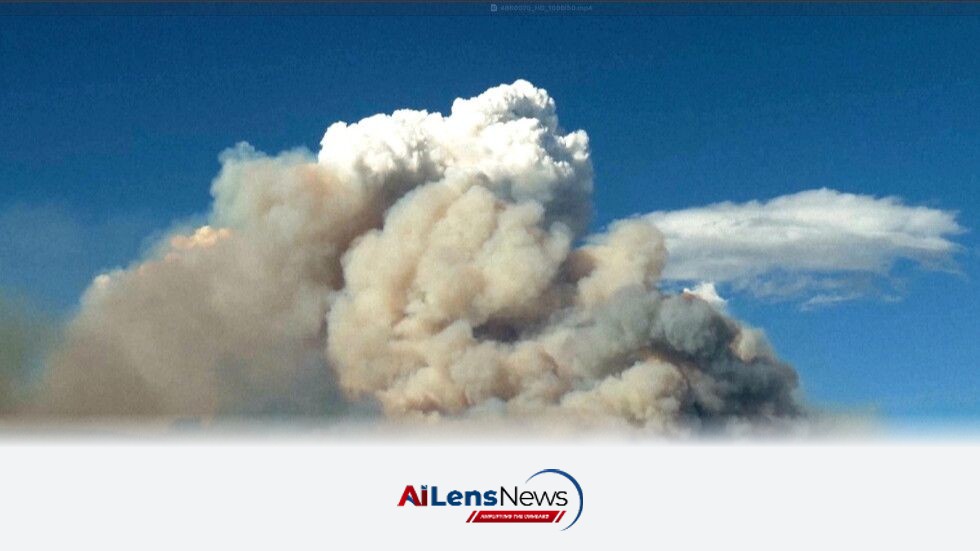



Firefighters have made notable strides in containing a wildfire in Reno, Nevada, which has destroyed over 30 homes and threatened local neighborhoods.
Carson City, United States Aug 25, 2026 ALN: Firefighters battling a devastating wildfire in the Sierra Nevada foothills have reported significant progress in containment efforts. The blaze, known as the Hawk Fire, has destroyed more than 30 homes and prompted the evacuation of approximately 90,000 residents in the Reno area.
The Hawk Fire ignited on Saturday and rapidly expanded, covering an area of 20 square miles (53 square kilometers) in the Peavine Peak region of the Humboldt-Toiyabe National Forest. Authorities confirmed that the fire was human-caused and had remained uncontained for several days. The rapid spread of the fire can be attributed to a combination of dry vegetation, steep terrain, and prevailing winds, which have historically exacerbated wildfire conditions in the region.
Wildfires in this part of Nevada are not uncommon, especially during the summer months when temperatures soar and humidity levels drop. The Sierra Nevada region has experienced an increase in wildfire incidents over the past few decades, largely due to climate change and prolonged drought conditions. The Hawk Fire is a stark reminder of the challenges faced by both residents and firefighters in managing these natural disasters.
In response to the fire's alarming growth, local officials issued evacuation orders for neighborhoods in close proximity to the flames. The evacuation affected a large portion of the Reno metropolitan area, with emergency services working tirelessly to ensure the safety of residents. Evacuation centers were established in schools and community centers, providing a safe haven for those displaced by the fire.
The evacuation orders were not taken lightly, as authorities prioritized the safety of the community. Emergency management teams conducted door-to-door notifications and utilized social media and local news channels to keep residents informed of the evolving situation. Many residents expressed gratitude for the timely warnings, which allowed them to gather essential belongings and evacuate to safer locations.
Fire crews have been utilizing air support and ground teams to combat the blaze. Helicopters and air tankers have been deployed to drop water and fire retardant on the most active areas of the fire, while ground crews work to create firebreaks and control the spread of the flames. As of now, their efforts have led to a significant reduction in the fire's spread, allowing some residents to return to their homes.
Firefighters are trained to work in challenging conditions, and their experience is crucial in managing wildfires effectively. The coordination between various firefighting agencies, including local, state, and federal teams, has been instrumental in the response to the Hawk Fire. Mutual aid agreements allow for the rapid deployment of resources from surrounding areas, ensuring that firefighters have the necessary support to combat the blaze.
The community has rallied together, with local organizations providing support to those displaced by the fire. Shelters have been set up to accommodate evacuees, and volunteers have mobilized to assist with food and supplies. Local businesses have contributed by donating meals and essential items, while residents have opened their homes to those in need.
Community response efforts highlight the resilience and solidarity of the Reno area. Many local residents have shared their experiences on social media, showcasing the outpouring of support and the determination to help one another during this crisis. Fundraising initiatives have also emerged, aimed at providing financial assistance to families who have lost their homes or belongings in the fire.
Fire officials remain cautious as they continue to monitor the situation. Weather conditions, including high winds and dry temperatures, pose ongoing challenges for containment efforts. The forecast indicates that these conditions may persist, which could lead to flare-ups and further spread of the fire. Residents are urged to stay informed through local news channels and emergency services, as updates on the fire's status and safety recommendations are crucial.
As firefighters continue their work, the community remains hopeful for a swift resolution to this crisis. The Hawk Fire serves as a reminder of the importance of preparedness and resilience in the face of natural disasters. As recovery efforts begin, discussions on long-term strategies for wildfire prevention and response will likely take center stage, emphasizing the need for improved infrastructure, forest management practices, and community education to mitigate future risks.
In conclusion, while the immediate threat of the Hawk Fire may be diminishing, the implications of this wildfire will be felt long after containment is achieved. The lessons learned from this incident will inform future wildfire management strategies and highlight the importance of community cooperation in times of crisis.
To learn more about the latest developments in Local & Regional, stay updated with our exclusive reports and analyses on AILensNews.

