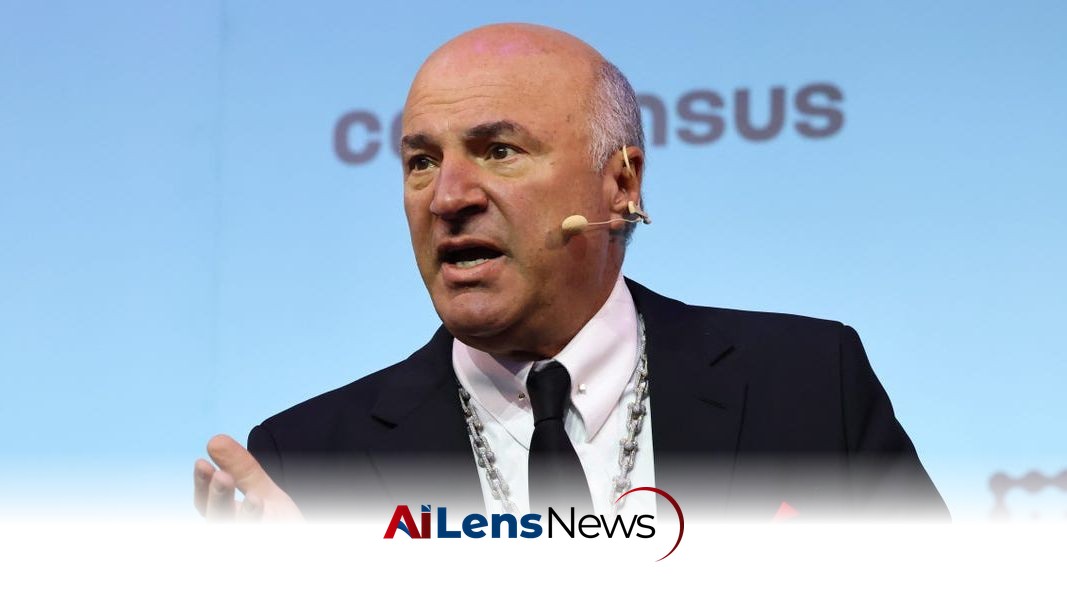


Kevin O'Leary is being sued for defamation after accusing critics of his data center project of having ties to the Chinese Communist Party.
Washington DC, United States Jul 16, 2026 ALN: In a significant legal development, Kevin O'Leary, the well-known entrepreneur and star of "Shark Tank," is facing a defamation lawsuit filed in a Utah federal district court. The lawsuit, initiated by Alliance for a Better Utah, Elevate Strategies, and two of their founders, alleges that O'Leary falsely accused them of being foreign agents backed by the Chinese Communist Party (CCP).
The controversy began in May when O'Leary made a series of media appearances where he labeled vocal opponents of his Stratos data center project in Box Elder County, Utah, as foreign-backed operatives. His comments were made during at least ten media segments between May 11 and June 3, where he specifically targeted cofounders of Elevate Strategies, Gabi Finlayson and Jackie Morgan, claiming they were "proxies for the Chinese Government." Finlayson is one of the plaintiffs in the lawsuit.
In addition to O'Leary, the lawsuit also names Fox News, alleging that the network aired O'Leary's defamatory comments. A spokesperson for Fox News stated that the network would "vigorously defend" against the lawsuit and emphasized that they had publicly corrected the record on every program where O'Leary's comments were made.
O'Leary later attempted to clarify his statements, asserting via social media that he had no evidence linking Alliance for a Better Utah or its members to funding from China or the CCP. Despite this clarification, the plaintiffs claim that O'Leary's accusations have caused them "severe reputational damage and significant economic harm," including loss of clients and business opportunities.
Matthew Platkin, an attorney representing the plaintiffs, expressed that their clients were merely exercising their right to voice concerns about the future of their community. He criticized O'Leary's response, stating, "Rather than respond to their concerns, Kevin O'Leary chose to launch a national smear campaign built on absurd falsehoods that Fox News repeatedly affirmed and amplified." The lawsuit seeks both monetary and punitive damages, although a specific dollar amount has not been disclosed.
In response, Jeffrey Neiman, an attorney for O'Leary, labeled the lawsuit a "cash grab" and indicated that they may file counterclaims. He noted that the plaintiffs had declined an invitation to discuss the project, adding, "The plaintiffs have put their operations, funding, and coordination squarely at issue. We welcome that, and we look forward to discovery and uncovering the facts related to the misinformation campaign against the data center in Utah."
The Stratos Project, which O'Leary supports, aims to establish a massive hyperscale data center campus near the Great Salt Lake. Initially approved for 40,000 acres, the project is expected to require up to 9 gigawatts of power at full buildout. However, it has faced significant opposition from residents concerned about its environmental impact, including issues related to water use, air quality, noise, and traffic.
The backlash against the project has prompted Utah Governor Spencer Cox to issue an executive order tightening regulations for data center development in the state, focusing on water resources, wildlife protection, utility rates, and public participation. Additionally, Alliance for a Better Utah and five state residents filed a separate lawsuit in June aimed at halting the Stratos Project by challenging the approval process behind it.
The legal situation surrounding the Stratos Project reflects broader tensions in the United States regarding foreign investment, particularly from China. Over the past few years, there has been an increasing scrutiny of foreign investments in critical infrastructure, particularly in technology and energy sectors. This scrutiny has been fueled by national security concerns, as well as fears about potential economic exploitation and environmental degradation.
O'Leary's comments about the plaintiffs being proxies for the Chinese government are particularly sensitive in this context. The characterization not only raises questions about the motivations of local activists but also taps into a larger narrative that often portrays critics of corporate projects as being influenced or funded by foreign entities. Such accusations can have serious consequences, as they can undermine the credibility of local voices and diminish the public's ability to engage in meaningful discourse about community development.
Furthermore, the involvement of Fox News in this lawsuit underscores the role of media in shaping public perceptions and narratives. As a major news outlet, Fox News has a significant platform, and the dissemination of O'Leary's claims through its channels could amplify the reputational damage faced by the plaintiffs. The network's defense suggests that it may argue for protections typically afforded to media outlets under the First Amendment, which could complicate the plaintiffs' case.
In the backdrop of this legal battle, the Stratos Project itself symbolizes the clash between economic development and environmental preservation. Proponents of the project argue that it could bring substantial economic benefits to the region, including job creation and increased tax revenue. However, opponents are concerned about the ecological footprint of such a massive development, particularly in a state like Utah, which is known for its natural beauty and outdoor recreational opportunities.
The environmental implications of the Stratos Project are particularly pronounced given Utah's limited water resources. The state has been grappling with drought conditions and water scarcity issues, making the project's projected water consumption a contentious point. Critics argue that the data center's demand for water could exacerbate existing problems and threaten local ecosystems.
As the lawsuit unfolds, it will likely bring to light not only the specific allegations against O'Leary and Fox News but also the broader societal issues surrounding foreign influence, media responsibility, and the balance between development and environmental stewardship. The outcome could set precedents regarding defamation in the context of public discourse about contentious development projects and the rights of individuals and organizations to voice their concerns without fear of being labeled as foreign agents.
In conclusion, the defamation lawsuit against Kevin O'Leary and Fox News represents a complex intersection of legal, political, and social dynamics. As both sides prepare for a potentially lengthy legal battle, the implications of this case will extend beyond the immediate parties involved, touching on issues of free speech, accountability in media, and the future of development in Utah and beyond.
To learn more about the latest developments in Crime & Law, stay updated with our exclusive reports and analyses on AiLensNews.

