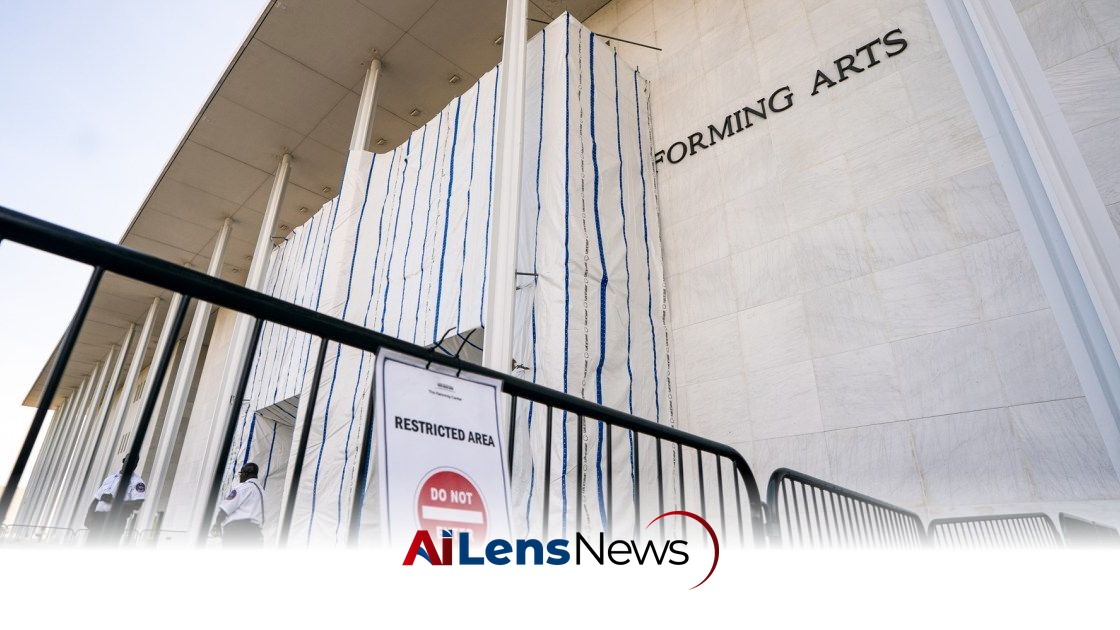


The Kennedy Center board has voted to partially close the center for renovations and re-add President Trump's name, sparking legal and public backlash.
Washington DC, United States Aug 14, 2026 ALN: The recent decision by the Trump-appointed board of the John F. Kennedy Center for the Performing Arts has ignited significant controversy and debate surrounding the intersection of politics, arts, and historical legacy. The board's vote to re-add President Donald Trump's name to the building's facade, alongside a plan to partially close the center for renovations, raises questions about the role of political appointees in cultural institutions and the legal implications of their actions.
Established as a living memorial to President John F. Kennedy, the Kennedy Center has long been a symbol of American arts and culture. The center was conceived by Jacqueline Kennedy Onassis shortly after her husband’s assassination in 1963, with the intent of honoring his legacy through the promotion of the performing arts. Over the decades, it has hosted countless performances, including those by the National Symphony Orchestra, ballet, theater, and other artistic endeavors that reflect the vibrancy of American culture.
However, the recent board meeting, conducted via Zoom, culminated in a 20-3 vote to rename the building to "The John F. Kennedy Center for the Performing Arts Restored and Renovated by President Donald J. Trump" and to designate the area as "President Donald J. Trump Plaza." This decision has drawn sharp criticism from various quarters, including members of Congress and legal experts, who argue that the board's actions flout established legal precedents and statutes governing the center's naming rights.
At the heart of the controversy is a May court order issued by U.S. District Judge Christopher Cooper, which temporarily blocked the Kennedy Center's planned closure and mandated that the board provide a financial justification for its decision. Judge Cooper clarified that the board does not possess the authority to rename the center without Congressional approval, stating, "The Kennedy Center’s organic statute makes crystal clear that the Center is to be named for President Kennedy, and it cannot bear any other formal name or public memorial based on the Board’s unilateral say-so." This ruling underscores the legal framework that governs the center's operations and its naming conventions, which were established by Congress when the center was created.
In light of the board's recent vote, Rep. Joyce Beatty, D-Ohio, one of the ex officio members who opposed the decision, expressed her discontent, suggesting that the move represents a blatant disregard for the court's ruling. She stated, "This latest development is a transparent effort to circumvent the Court’s ruling, and flies in the face of the statutes that Congress passed. I will continue to fight for this treasured national monument." This sentiment is echoed by legal experts and advocates who believe that the Kennedy Center should remain a non-partisan institution dedicated to the arts, rather than becoming a platform for political maneuvering.
Moreover, the implications of this decision extend beyond the immediate controversy. The board's actions may set a precedent for how political influence can shape cultural institutions in the United States. Critics argue that allowing a sitting president to impose their name on a federally designated memorial undermines the integrity of the institution and politicizes what should be a non-partisan space dedicated to artistic expression. This concern resonates with many who view the arts as a universal language that transcends political boundaries, emphasizing the need for cultural spaces to remain free from partisan agendas.
The National Symphony Orchestra, the Kennedy Center's chief tenant, has also faced uncertainties due to the planned renovations and the closure of the main building. The orchestra has been a staple of the Kennedy Center since its opening in the early 1970s, and its future performances may be jeopardized as the board seeks alternative venues during the renovation period. This situation raises concerns about the potential long-term impact on the artistic community in Washington, D.C., and the broader cultural landscape of the nation. The orchestra's ability to attract audiences and maintain its reputation could be significantly affected, leading to financial challenges that may ripple throughout the local arts scene.
In addition to the legal and logistical challenges posed by the board's vote, the decision has sparked outrage from members of the Kennedy family. Former Rep. Joseph Kennedy III, a grandnephew of President Kennedy, has publicly criticized the board's actions, likening the renaming of the Kennedy Center to an attempt to rename the Lincoln Memorial. He emphasized the importance of preserving the center as a living tribute to his granduncle, stating, "It can no sooner be renamed than can someone rename the Lincoln Memorial, no matter what anyone says." This familial connection underscores the emotional and historical significance of the Kennedy Center as a memorial to a president who is often revered for his contributions to American society and politics.
The Kennedy Center board's decision to close the center for renovations and rename it in honor of President Trump is not merely an administrative action; it is a reflection of the broader political climate in the United States. As cultural institutions navigate the complexities of political influence and public perception, the ongoing debate surrounding the Kennedy Center serves as a case study in the tensions between art, politics, and historical memory. The outcome of this situation may have lasting repercussions on the governance of cultural institutions and their ability to operate independently of political pressures.
As the situation continues to unfold, many observers will be watching closely to see how the Kennedy Center navigates the legal challenges ahead and whether the board will heed the court's ruling or continue to pursue its agenda. The implications of this decision extend beyond the walls of the Kennedy Center, touching on fundamental questions about the role of arts in society, the impact of political appointments on cultural institutions, and the importance of preserving the integrity of memorials dedicated to historical figures. The ongoing discourse surrounding this decision highlights the necessity for cultural institutions to maintain their independence from political influence, ensuring that they remain spaces for creativity, expression, and reflection on the human experience.
In conclusion, the decision to re-add Trump's name to the Kennedy Center and the subsequent legal battles highlight the delicate balance that cultural institutions must strike between honoring historical legacies and navigating contemporary political landscapes. As the board faces scrutiny from the public and legal challenges from government officials, the future of the Kennedy Center hangs in the balance, serving as a poignant reminder of the powerful interplay between culture, politics, and memory in American society.
To learn more about the latest developments in Politics, stay updated with our exclusive reports and analyses on AiLensNews.

