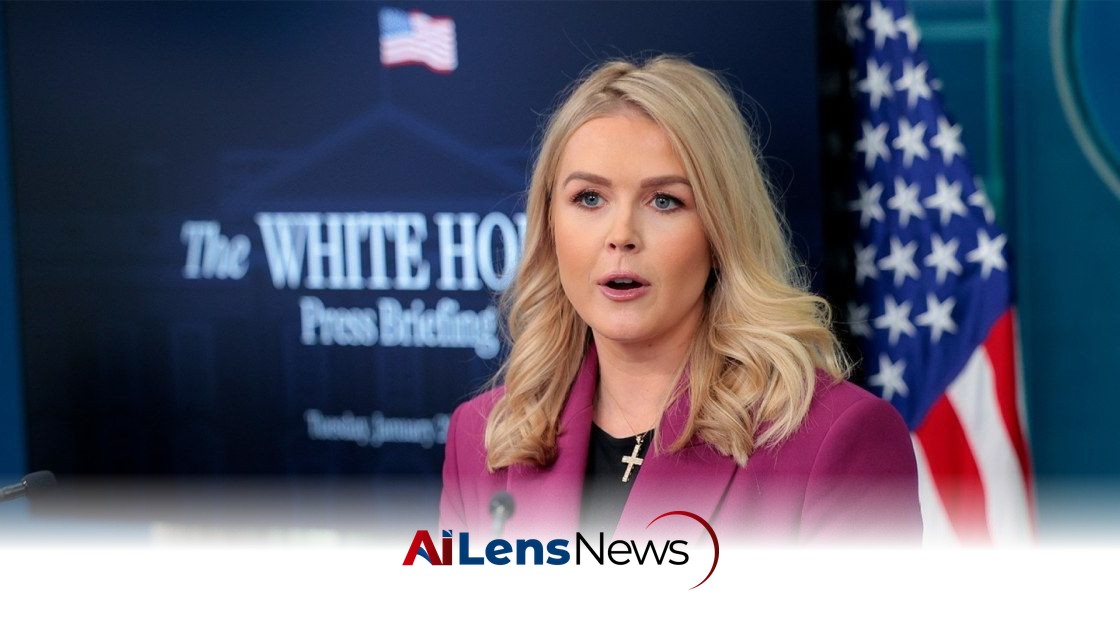


Karoline Leavitt will step down from her position as White House press secretary at the end of August, as announced by President Donald Trump.
Washington DC, United States Aug 13, 2026 ALN: In a significant development, President Donald Trump has announced that White House press secretary Karoline Leavitt will be stepping down from her role at the end of August. This announcement marks the end of Leavitt's tenure in a position that has been pivotal in communicating the administration's messages to the public. The press secretary role is often seen as one of the most challenging positions within the White House, tasked with not only conveying the administration's policies but also managing the often contentious relationship with the media.
Leavitt, who has been in the role for a considerable time, has navigated various challenges and controversies while serving as the spokesperson for the White House. Her departure comes as the administration continues to face scrutiny on multiple fronts, including policy decisions and public relations strategies. The Trump administration has been characterized by a turbulent political landscape, with high-stakes issues ranging from immigration policy to healthcare reform, and Leavitt’s role has been crucial in framing these discussions for the public.
During her time in office, Leavitt has been known for her assertive communication style and her ability to handle press inquiries effectively. She has often been seen as a fierce defender of the administration’s positions, employing a combative approach that resonated with many of the President's supporters. Her resignation raises questions about who will succeed her and how the change will impact the White House's communication strategy moving forward. The selection of a new press secretary will be critical, as this individual will need to navigate the administration's ongoing challenges while also maintaining credibility with the press and the public.
In the context of the Trump administration, the role of the press secretary has evolved significantly. Traditionally, press secretaries have acted as mediators between the White House and the media, providing information and responding to inquiries in a manner that fosters transparency. However, under Trump's leadership, the relationship between the administration and the press has often been adversarial. This has led to a redefinition of the press secretary's role, focusing more on messaging and less on fostering a cooperative dialogue.
Leavitt's resignation comes at a time when the administration is preparing for critical upcoming events, including potential legislative battles and the ongoing management of public health issues. Her departure may signal a strategic shift in how the White House intends to engage with the media and the public as it moves forward. The new press secretary will likely face immediate pressure to establish their own voice and communication style while also addressing the lingering controversies that have characterized the administration's tenure.
Moreover, the implications of Leavitt's resignation extend beyond the immediate operational needs of the White House. The selection of her successor will be closely watched by political analysts, media experts, and the public alike. A new press secretary could bring a different approach to media relations, potentially altering the dynamics of how the administration communicates its policies and responds to criticism. This change could either exacerbate existing tensions with the press or pave the way for a more constructive relationship.
In conclusion, Leavitt's resignation is a notable moment in the ongoing narrative of the Trump administration, reflecting the dynamic nature of political communications at the highest levels of government. As the administration prepares for this transition, it remains to be seen how the new press secretary will approach the role and whether they will maintain the same level of engagement with the media. The effectiveness of this transition will be critical not only for the administration's communication strategy but also for how the public perceives the government's actions and policies in the coming months.
In a broader context, the role of the press secretary is emblematic of the challenges faced by public officials in an era of rapid information dissemination and heightened scrutiny. The ability to effectively communicate with the public is more important than ever, particularly in a political environment where misinformation can spread quickly. The next press secretary will need to navigate these complexities while also upholding the administration's messaging priorities.
As political analysts reflect on Leavitt's tenure and the circumstances surrounding her resignation, it is clear that her departure is not just a personnel change but a potential turning point in how the Trump administration will engage with the press and the public moving forward. The effectiveness of the new press secretary in managing this relationship will be crucial, especially as the administration gears up for significant challenges in the political landscape.
The role of the press secretary has historically been one of the most visible positions in the White House, serving as the face of the administration to the media and the public. This role is particularly vital during times of crisis, when clear and effective communication is essential to maintain public trust and confidence in the government. The press secretary must balance the administration's goals with the need for transparency and accountability, a task that has become increasingly difficult in the current political climate.
In recent years, the relationship between the media and the government has been fraught with tension, with accusations of bias and misinformation coming from both sides. The Trump administration has often been critical of the mainstream media, labeling certain outlets as "fake news" and questioning their credibility. This adversarial stance has influenced how press secretaries operate, often requiring them to adopt a more defensive posture in their communications. Leavitt's assertive style was emblematic of this approach, as she frequently pushed back against media narratives that she deemed unfair or inaccurate.
Looking ahead, the new press secretary will need to navigate this complex landscape while also addressing the unique challenges facing the Trump administration. With key issues such as the economy, healthcare, and immigration continuing to dominate the political discourse, the press secretary's role in shaping public perception will be more critical than ever. The new appointee will need to quickly establish their credibility with both the media and the public, as they work to convey the administration's message amidst ongoing scrutiny.
Additionally, the selection of a new press secretary could signal broader strategic shifts within the administration. Depending on who is chosen, the White House may adopt a more conciliatory approach to media relations or continue down the path of confrontation. This decision will likely reflect the administration's assessment of its current standing with the public and its strategy for navigating the political landscape as it prepares for future elections.
As the Trump administration continues to grapple with various challenges, Leavitt's resignation serves as a reminder of the high stakes involved in political communications. The next press secretary will not only be responsible for managing the day-to-day interactions with the media but will also play a pivotal role in shaping the narrative surrounding the administration's policies and actions. This is particularly important as public opinion can significantly influence the success of legislative initiatives and the overall effectiveness of the administration.
In summary, the resignation of Karoline Leavitt as White House press secretary marks a pivotal moment in the Trump administration's communication strategy. The selection of her successor will be closely scrutinized, as it will have implications for how the administration engages with the media and the public in the months ahead. As political dynamics continue to evolve, the effectiveness of the new press secretary in navigating these challenges will be crucial for the administration's ability to convey its message and maintain public support.
To learn more about the latest developments in Politics, stay updated with our exclusive reports and analyses on AiLensNews.

