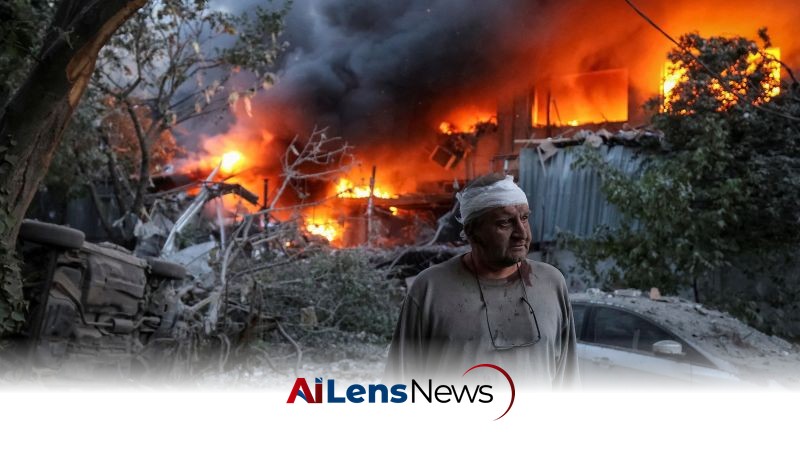


The UN reports June 2023 as the deadliest month for Ukrainian civilians since April 2022, with a significant rise in casualties due to Russian missile strikes.
Washington DC, United States Jul 15, 2026 ALN: June 2023 has been marked as the deadliest month for Ukrainian civilians since April 2022, according to a report from the United Nations. This alarming statistic highlights the devastating impact of intensified Russian military operations that have extended beyond the front lines, affecting urban centers and civilian populations across Ukraine. The ongoing conflict, which began in 2014 with Russia's annexation of Crimea and escalated significantly in February 2022, has resulted in widespread destruction and a humanitarian crisis that continues to evolve.
The UN Human Rights Monitoring Mission in Ukraine (HRMMU) reported that at least 293 civilians were killed in June alone. This tragic figure brings the total number of civilian deaths for the year to nearly 1,400, which signifies a staggering 37% increase compared to the same period in the previous year. Moreover, the civilian death toll for this year has more than doubled compared to the same timeframe in 2024, underscoring the escalating violence and the dire situation faced by non-combatants caught in the conflict. These figures are not just statistics; they represent lives lost, families shattered, and communities forever changed.
Danielle Bell, the head of the HRMMU, emphasized the troubling trend reflected in the June figures, noting that they reveal an "alarming escalatory trend with mounting civilian toll." She attributed this increase largely to the intensified use of powerful weapons by Russian forces, particularly in densely populated urban areas where the risk to civilians is significantly higher. The HRMMU has pointed out that long-range missiles targeting residential buildings have become a primary cause of civilian casualties in cities such as Dnipro, Odesa, and the capital, Kyiv. The targeting of civilian infrastructure raises serious ethical concerns and highlights the urgent need for accountability in the conduct of military operations.
According to the UN, there has been a 60% surge in civilian casualties from long-range weapons between January and June 2023 compared to the same period in 2025. This increase raises serious concerns about the effectiveness of current defense measures and the protection of civilians in conflict zones. Ukrainian authorities have expressed their challenges in intercepting Russian ballistic missiles and have made urgent appeals to European allies for assistance in bolstering missile defense systems. Additionally, they have lobbied the United States for permission to produce Patriot interceptor missiles capable of countering Moscow’s ballistic threats. The complexity of modern warfare, especially in urban environments, complicates the ability of nations to protect their civilian populations effectively.
In areas closest to the front lines, the situation remains equally dire. The UN has reported that short-range drones have been responsible for the majority of civilian deaths and injuries in 2026. Bell remarked that these drones have significantly transformed the living environment for civilians residing near the front lines, creating a pervasive atmosphere of fear and danger. Civilians living in these areas have described feeling hunted by these drones, which pose a constant threat as they go about their daily activities such as shopping for food, walking dogs, cycling, working in their yards, or attempting to flee to safer regions. The psychological impact of living under such conditions can be profound, leading to chronic stress, anxiety, and other mental health issues.
The human impact of the relentless Russian attacks continues to be felt acutely across Ukraine. In the first half of July 2023 alone, attacks have reportedly resulted in at least 240 civilian deaths and 1,904 injuries, according to a CNN count based on figures from local authorities. These statistics highlight the ongoing toll of the conflict on innocent lives and the urgent need for international attention and action. The sheer scale of casualties not only reflects the immediate dangers faced by civilians but also points to the broader implications for regional stability and security.
One particularly harrowing incident occurred on July 2, when a fierce Russian attack on Kyiv resulted in the deaths of at least 30 individuals, including a family of six. Among the victims was a young man named Nikita, who had previously survived childhood cancer and was on the brink of starting a new chapter in his life, as he was set to marry in just a few days. Family friend Alla Melnychuk paid tribute to the family in a heartfelt Facebook post, reflecting on the deep connections they shared and the dreams that were tragically cut short. "He was only 23 years old. He was supposed to get married in a few days. He had his whole life ahead of him. Dreams. Family. A future," Melnychuk wrote, capturing the profound loss felt by those left behind. This personal story serves as a poignant reminder of the human cost of war, emphasizing that each statistic represents a life with hopes and aspirations.
This ongoing violence and the rising civilian casualties highlight the urgent need for a resolution to the conflict in Ukraine. The international community has been called upon to strengthen diplomatic efforts aimed at achieving peace and ensuring the protection of civilians. The situation remains fluid, and as the conflict continues, the humanitarian implications grow more severe, necessitating immediate action to safeguard the lives of those caught in the crossfire. Efforts to mediate and negotiate a ceasefire have been complicated by entrenched positions on both sides, making the prospect of peace seem increasingly distant.
As the conflict drags on, the psychological toll on civilians cannot be overstated. Many people are living in a state of constant anxiety and fear, unsure of when or where the next attack might occur. The trauma inflicted upon these communities will likely have long-lasting effects, shaping the lives of those who survive the violence. Mental health support and community resilience programs will be essential in addressing these issues in the aftermath of the conflict. The need for comprehensive psychological care and community rebuilding initiatives will be crucial in helping individuals and communities recover from the trauma of war.
In conclusion, the data reported by the UN serves as a stark reminder of the human cost of the ongoing war in Ukraine. The increase in civilian casualties, particularly in urban areas, underscores the need for enhanced protective measures and international support. As the situation continues to evolve, the focus must remain on the safety and well-being of civilians, ensuring that their voices are heard and their rights are protected in the face of escalating violence. The international community's response will be critical in shaping the future of Ukraine and the lives of its people, as they navigate the challenges of rebuilding and healing in the aftermath of conflict.
To learn more about the latest developments in Health & Public Safety, stay updated with our exclusive reports and analyses on AiLensNews.

