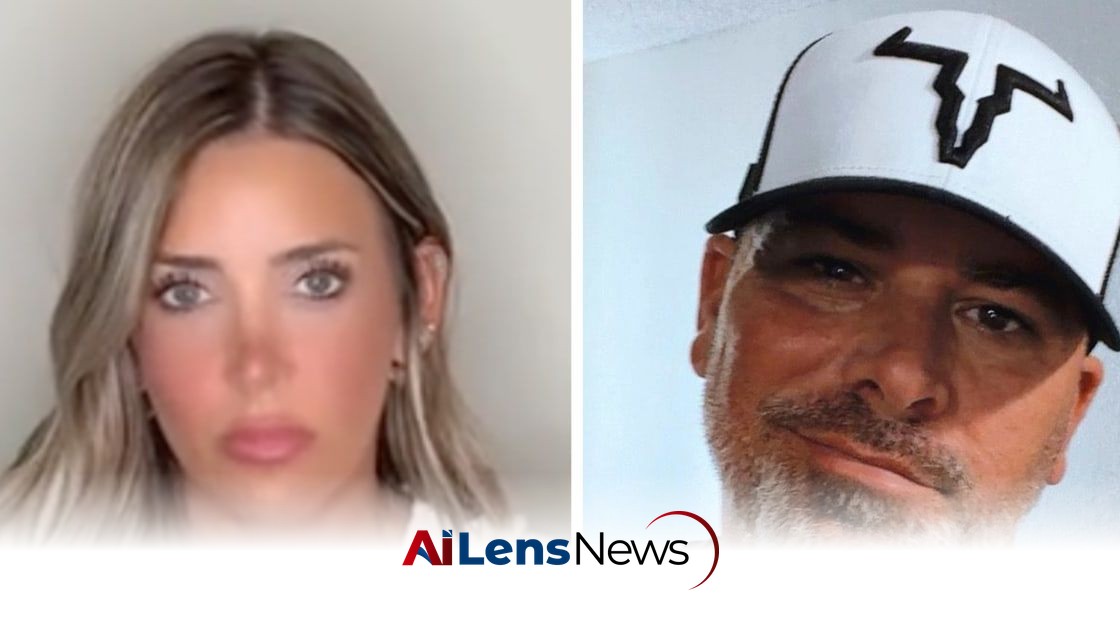


Sara Gilson, a social media influencer, was fatally shot by her estranged husband shortly after accusing him of pedophilia on TikTok. Police are investigating the incident as a murder-suicide.
Washington DC, United States Jul 26, 2026 ALN: The tragic death of social media influencer Sara Gilson has sent shockwaves through the online community and raised serious concerns about domestic violence and the safety of individuals in abusive relationships. Gilson, a 43-year-old influencer with a significant following on TikTok, was fatally shot by her estranged husband, Jeremiah Duffey, in Owasso, Oklahoma, just days after she publicly accused him of pedophilia on social media.
According to police and court records, Gilson was granted an emergency protective order against Duffey on June 10, following an alarming report that he had been accused of molesting a minor. This protective order was a critical step in safeguarding her from potential harm, as it mandated that Duffey maintain a distance of at least 100 yards from Gilson and her home. However, despite this legal protection, the situation escalated dramatically just a few weeks later.
The initial police report indicated that on June 9, a young girl and her parent reported that Duffey, who was coaching the girl's traveling basketball team, had inappropriately touched her during a practice at an elementary school. The misconduct was witnessed by another coach, who intervened and immediately informed the girl's parent. This incident was not isolated; police noted that similar allegations had been made against Duffey in multiple jurisdictions across different states prior to this event. This pattern of behavior not only raises serious questions about Duffey's conduct but also highlights the challenges law enforcement faces in addressing such allegations, especially when they span across state lines and involve minors.
Following the allegations, Duffey fled the area and was not seen by law enforcement, raising concerns about his intentions and well-being. Given that the incident occurred on tribal land and Duffey was a member of the Osage tribe, the case was referred to the U.S. Attorney’s Office for further review, effectively transferring jurisdiction from local law enforcement to federal authorities. This procedural shift highlighted the complexities involved in cases that intersect with tribal law and federal regulations, complicating the legal landscape for victims seeking justice.
Gilson's TikTok post on July 11, where she accused Duffey of pedophilia, demonstrated her desperation and the severity of the accusations against him. The video, which referenced a popular social media trend mimicking Netflix documentaries, was a bold move that underscored her desire to bring attention to her situation. With over 30,000 followers, Gilson utilized her platform to share her story, likely hoping to raise awareness and garner support from her audience. The caption she used, "I wish I was joking. #plottwist #netflix #documentary," indicated a mix of humor and grave seriousness, reflecting the tension between her public persona and the private turmoil she was experiencing. This duality is often present in the lives of those who face domestic violence, where the facade of normalcy can mask profound struggles.
Less than two weeks after this video was posted, Gilson was killed in what police are investigating as a murder-suicide. On the evening of the incident, officers responded to a 911 call reporting a domestic violence situation, during which dispatchers heard a woman screaming followed by a gunshot. The chaos of the situation escalated further when a young boy, later identified as Gilson's son, called from a neighbor's home to report that his stepfather had shot his mother. This heartbreaking detail underscores the impact of domestic violence not just on the victims but also on children who are often caught in the crossfire of such tragic circumstances.
When police arrived at the scene, they discovered both Gilson and Duffey dead from apparent gunshot wounds to the head. The tragic nature of this incident raises critical questions about the effectiveness of protective orders and the challenges faced by individuals in abusive relationships. It also underscores the urgency of addressing domestic violence, which remains a pervasive issue in many communities. The effectiveness of protective orders can vary significantly, and many victims find themselves in perilous situations even after taking legal steps to safeguard themselves.
Gilson leaves behind two children, a son and a daughter, who are now without their mother. An online fundraiser established for the children described Gilson as an "incredible mom" who devoted her life to her children. The fundraiser emphasized her fierce love for them and her determination to provide them with the best life possible, illustrating the profound loss felt by those who knew her. The aftermath of such tragedies often leaves families grappling not only with grief but also with the logistical challenges of raising children in the absence of a parent.
The implications of Gilson's death extend beyond her immediate family and friends; they resonate deeply within the wider community and raise awareness about the dangers of domestic violence. Many advocates for victims of domestic abuse are calling for more robust measures to protect individuals like Gilson, who may find themselves trapped in dangerous situations despite having taken legal steps to ensure their safety. The need for systemic changes in how domestic violence cases are handled is paramount, particularly in ensuring that protective measures are effective and that victims are provided with comprehensive support.
Domestic violence is a systemic issue that affects countless individuals, often leading to tragic outcomes. The National Coalition Against Domestic Violence reports that on average, nearly 20 people per minute are physically abused by an intimate partner in the United States. This staggering statistic highlights the urgent need for comprehensive support systems and resources for victims. Advocacy groups emphasize that awareness and education are critical components in the fight against domestic violence, as many individuals may not recognize the signs of abuse or know how to seek help.
In the aftermath of this tragedy, it is crucial for communities to engage in conversations about domestic violence, support victims, and hold perpetrators accountable. Education about the signs of abuse, available resources, and the importance of seeking help can empower individuals to take action before it is too late. Community programs that focus on prevention, intervention, and support services can play a vital role in changing the narrative around domestic violence.
As the investigation into Gilson's death continues, many are left grappling with the heartbreaking reality of her loss and the circumstances surrounding it. The case serves as a stark reminder of the complexities of domestic violence and the need for ongoing advocacy and support for those affected by it. It is hoped that by sharing stories like Gilson's, awareness will be raised, and necessary changes can be made to prevent similar tragedies in the future. The narrative surrounding domestic violence must shift from one of silence and stigma to one of dialogue and action.
For those who may be in crisis or know someone who is, it is vital to reach out for help. Resources such as the National Domestic Violence Hotline and the 988 Suicide & Crisis Lifeline are available for individuals seeking support and guidance. These resources can provide crucial assistance in navigating the often complicated and overwhelming landscape of domestic violence, offering a lifeline to those in need.
To learn more about the latest developments in Crime & Law, stay updated with our exclusive reports and analyses on AiLensNews.

