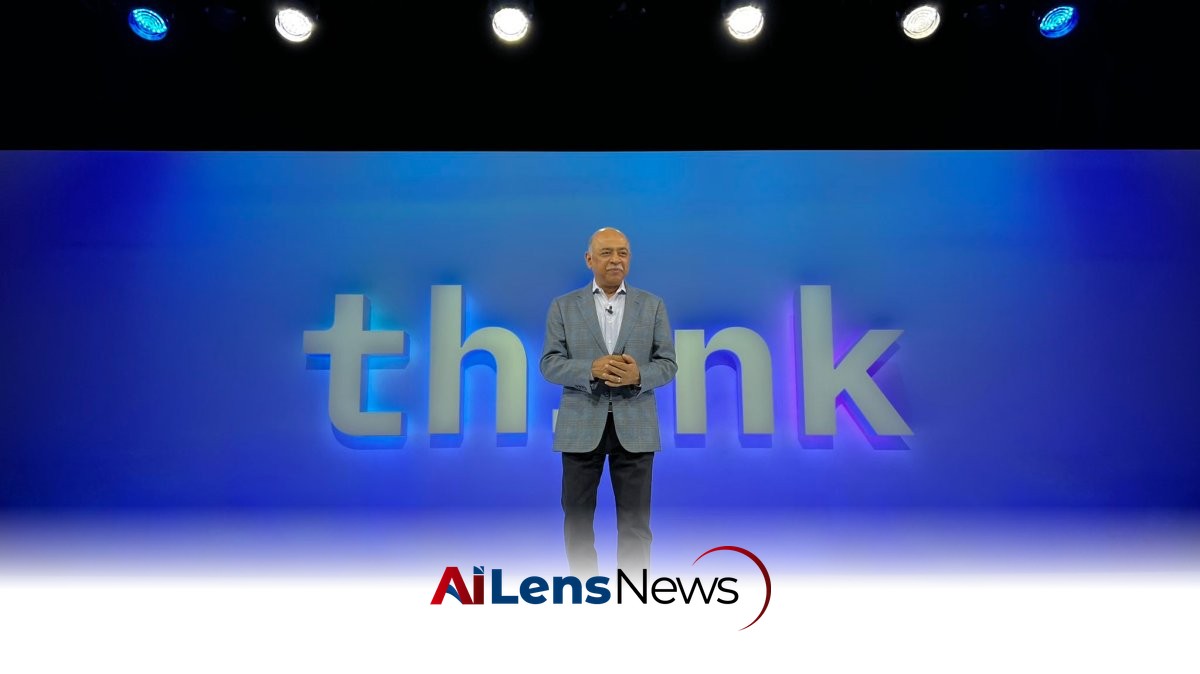


After a significant drop in IBM's stock due to disappointing mainframe sales, CEO Arvind Krishna reassures investors that the decline is temporary and linked to shifting budgets caused by rising hardware costs.
Washington DC, United States Jul 23, 2026 ALN: On Wednesday, IBM officially reported earnings and the news was as bad as everyone knew it would be.
IBM, a company with a storied history spanning over 115 years, has long been a cornerstone of the technology industry. Despite its legacy and the substantial revenue it continues to generate, the company’s latest earnings report revealed significant challenges that have raised concerns among investors and analysts alike. For the quarter, IBM reported a revenue of $17.2 billion, a gross profit of $9.9 billion, and net earnings of $2.2 billion. While these figures reflect strong margins of nearly 58%, they fell short of Wall Street’s expectations, leading to a sharp decline in the company's stock price.
The situation escalated to the point where IBM's CEO, Arvind Krishna, and the board took the unusual step of warning investors ahead of the earnings announcement. This preemptive communication highlighted a stark reality: the company’s performance was not just disappointing, but worse than their own expectations. In a letter to investors published prior to the earnings call, Krishna detailed the troubling state of IBM’s crucial "infrastructure" category, which includes its mainframe business. The letter indicated that revenue from this segment had plummeted, and profit margins were also expected to take a hit, prompting a swift reaction from the market.
Following the announcement of these dismal results, IBM's stock experienced its largest single-day decline in history, dropping 25%. This decline is particularly striking given that under Krishna’s leadership over the past six years, the stock had generally performed well, buoyed by the overall boom in AI and data center markets. However, the recent downturn signifies a troubling shift in investor sentiment and raises questions about the sustainability of IBM's growth trajectory.
In addition to the disappointing quarterly results, IBM also revised its full-year growth forecasts downward. This adjustment suggests that the repercussions of this quarter's performance will extend beyond the immediate future, impacting the company's financial outlook for the remainder of the year. Central to this decline is the significant downturn in IBM’s mainframe business, which reported a staggering 42% drop in revenue. This decline is particularly concerning as the mainframe division has historically been a cash cow for the company.
The relationship between mainframe sales and software revenue is critical to understanding the implications of this decline. As IBM’s CFO, Jim Kavanaugh, explained during the quarterly call with investors, the company typically earns $3 in software revenue for every $1 of mainframe hardware sold. Therefore, a decrease in mainframe sales not only impacts immediate hardware revenue but also threatens future software earnings, creating a cascading effect on the company's overall financial health.
During the earnings call, both Krishna and Kavanaugh emphasized that they view this decline as a temporary setback rather than a long-term trend. They attributed the lack of new mainframe purchases to a decision by several clients to postpone their investments. While they noted that only "tens" of customers opted not to proceed with purchases during the quarter, it is essential to recognize the scale of these transactions. Mainframes are high-ticket items, often costing hundreds of thousands to millions of dollars, and the associated maintenance contracts and software licenses can generate many millions more in revenue over time.
The broader economic climate, particularly the AI boom, has had a paradoxical effect on IBM. While the surge in demand for AI technologies has generally benefited technology companies, it has also resulted in significant price increases for data center equipment and other hardware. Krishna pointed out that clients faced rising costs of 15% to 30% for data center gear and PCs, which led them to reallocate their budgets towards these immediate needs rather than investing in new mainframes. This trend is not isolated to IBM; enterprise hardware manufacturers like Dell and HP have similarly reported rising component costs, prompting them to increase their prices. Apple has also echoed this sentiment, indicating that the inflationary pressures in the tech supply chain are widespread.
Despite the current challenges, Krishna expressed optimism about the future of IBM’s mainframe business. He assured investors that the clients who deferred their purchases would eventually return to buy new mainframes and associated software contracts. In fact, he indicated that some clients had already made purchases in the current quarter, suggesting that demand for mainframes remains intact. "We see no evidence of clients moving off the mainframe," Krishna stated, emphasizing the enduring relevance of the mainframe in enterprise environments.
However, the tech industry has a long history of predicting the obsolescence of the mainframe. For decades, analysts and experts have speculated about the demise of this technology, particularly in the face of rapid advancements in cloud computing and distributed systems. The rise of AI and its associated technologies has further fueled these predictions, leading some to question whether mainframes can adapt to the evolving landscape of enterprise computing.
The implications of IBM's current predicament extend beyond the company's immediate financial performance. It raises critical questions about the future of the mainframe business model in an era increasingly dominated by cloud solutions and AI-driven technologies. As companies continue to invest in AI capabilities and data analytics, the demand for traditional mainframes may face further scrutiny. This situation underscores the importance of innovation and adaptation for established technology firms like IBM, which must navigate the complexities of a rapidly changing market while maintaining their core business lines.
In conclusion, while IBM's recent earnings report paints a concerning picture of the company's performance, the leadership remains hopeful that this decline is a temporary blip. The interplay between rising costs, shifting customer priorities, and the enduring relevance of mainframes will be crucial factors to monitor in the coming quarters. As the tech landscape continues to evolve, IBM's ability to adapt and innovate will be vital in determining its long-term success and relevance in the industry.
To learn more about the latest developments in Technology in News, stay updated with our exclusive reports and analyses on AiLensNews.

