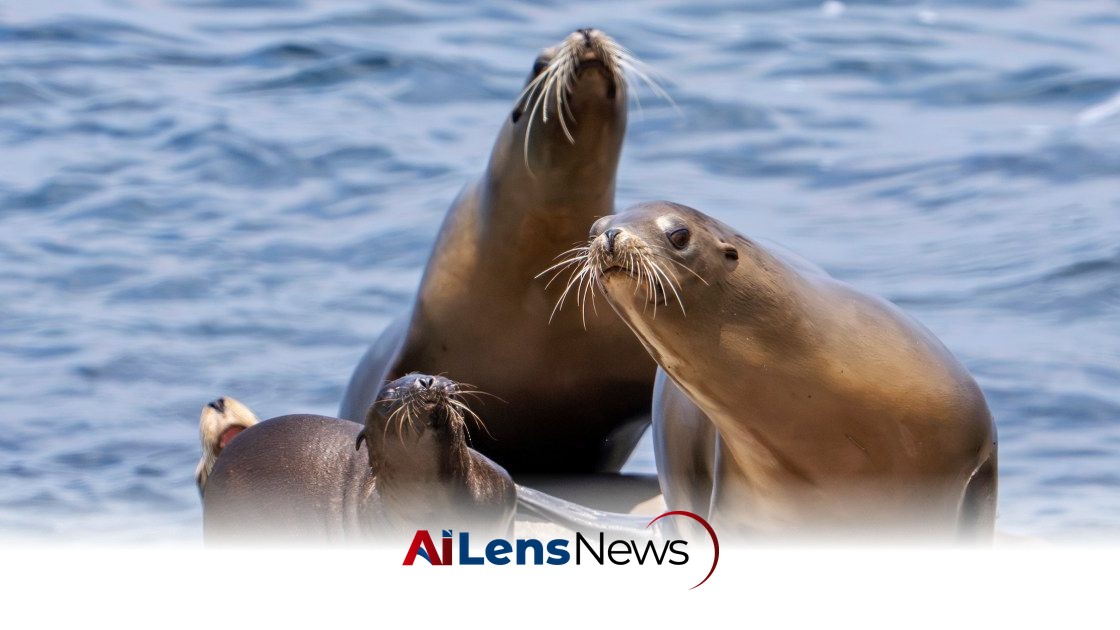


A federal probe is underway following a video showing a man kicking a protected sea lion at La Jolla Cove, prompting outrage and calls for accountability.
Washington DC, United States Jul 26, 2026 ALN: Federal officials are investigating a reported incident in which a man appeared to kick and harass a protected sea lion on a city-operated beach. This incident has drawn attention not only for its shocking nature but also for the implications it holds regarding wildlife protection laws and public awareness of animal rights.
The National Oceanic and Atmospheric Administration Fisheries’ Office of Law Enforcement is leading the investigation following reports of a video that “shows an interaction between an individual and sea lion,” as stated by NOAA Fisheries spokesperson Rachel Hager. The video reportedly depicts a young man kicking a sea lion that was perched on the edge of the seawall, and it continues to follow the animal as it attempts to escape. The ongoing investigation has limited the details that can be disclosed at this time, but the incident has raised significant concern among animal rights advocates and the general public.
As of now, the individual in the video has not been publicly identified, which has led to speculation and discussions on social media platforms about accountability and the need for stricter enforcement of wildlife protection laws. The video has been circulating widely, prompting many viewers to express outrage and demand action against the perpetrator.
The reported incident occurred near La Jolla Cove, a popular tourist destination known for its stunning coastal views and rich marine life. Sea lions are a common sight in this area, and their population has been increasing, particularly during the warmer months when they gather on wet, sandstone plateaus for pupping season. The city has made efforts to accommodate these animals by designating specific areas off-limits to visitors, but the presence of humans continues to pose challenges for the local wildlife.
In response to the incident, the San Diego Police Department has received tips regarding the video via social media and has encouraged concerned citizens to reach out to NOAA. San Diego Mayor Todd Gloria has also weighed in on the situation, stating that he has asked police to review the purported video of the incident. In a statement on social media platform X, he expressed his dismay, saying, “This disgusting act of animal cruelty is unacceptable. We must protect our wildlife.”
The U.S. Fish and Wildlife Service and the San Diego Police Department have not yet provided additional information regarding the investigation, which adds to the public's anticipation for updates on the case. The Sierra Club Seal Society, an organization dedicated to protecting marine mammals, has also reported the incident to authorities and pledged to monitor the investigation closely. Robyn Davidoff, chair of the Seal Society, emphasized the seriousness of the situation, asserting that the person responsible for kicking the sea lion should face prosecution. "That kind of behavior is not acceptable, whether it’s a person being punched or an animal," she stated. "Because these are a protected species, this is assault."
The Marine Mammal Protection Act (MMPA) is a critical piece of legislation that prohibits the harassment of marine mammals, including sea lions. Under this federal law, violations can result in severe penalties, including fines exceeding $30,000 and potential prison time. The act was established in 1972 to safeguard marine mammal populations, recognizing their ecological importance and the threats they face from human activities. Incidents like the one reported can undermine the progress made in conserving these species and highlight the need for continued public education on wildlife protection.
As the sea lion population continues to thrive in the area, the city of San Diego has implemented various measures to keep humans at a safe distance from the animals. City signage has been installed to mark areas that are closed to visitors, and warnings are prominently displayed to inform the public about the importance of not approaching seals and sea lions. These measures are particularly crucial during the busy summer tourism season when the beach attracts large crowds, increasing the likelihood of human-animal interactions.
Such clashes between humans and sea lions are not uncommon. Earlier this year, in February, a San Diego city park ranger had to intervene when a family of tourists was reported throwing sand and rocks at sea lions at La Jolla Cove. This incident underscores the ongoing challenges faced by wildlife officials in managing human behavior around protected species. It also highlights the necessity for educational campaigns aimed at fostering respect for wildlife and encouraging responsible behavior among beachgoers.
Beyond California, similar cases of harassment against marine mammals have been reported in other parts of the United States. For instance, a visitor to Maui faced federal charges in May for allegedly harassing a protected Hawaiian monk seal. The individual, Igor Lytvynchuk, claimed he was attempting to protect sea turtles when he threw a rock at the seal. His case is currently awaiting trial, and it serves as a reminder of the legal consequences of such actions.
As the investigation into the sea lion incident continues, it raises important questions about the responsibilities of individuals when interacting with wildlife. The public's reaction to this incident may play a significant role in shaping future policies and initiatives aimed at protecting marine mammals. Advocacy groups are likely to use this event as a platform to push for greater awareness and stricter enforcement of wildlife protection laws.
In conclusion, the reported incident of a man kicking a sea lion on a California beach has sparked a federal investigation and ignited discussions about animal cruelty, wildlife protection laws, and the need for public education. As authorities continue to look into the matter, the outcome of this case could have far-reaching implications for both the protection of marine mammals and the behavior of beachgoers in the future.
To learn more about the latest developments in Crime & Law, stay updated with our exclusive reports and analyses on AiLensNews.

