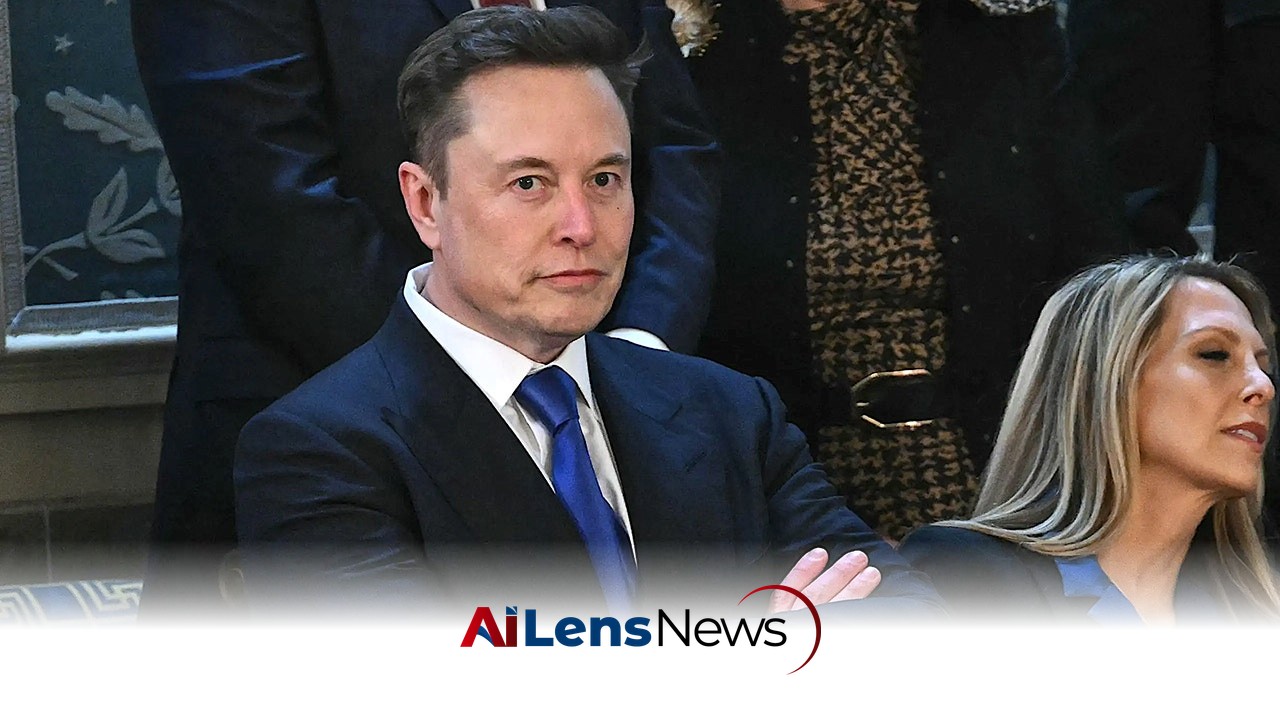


During an interview at Tesla's Gigafactory, Elon Musk confronted The Economist's Zanny Minton Beddoes over claims that people loathe him for his political influence.
Washington DC, United States Jul 24, 2026 ALN: Elon Musk, the CEO of Tesla and SpaceX, has often been a polarizing figure in both the business and political landscapes. His recent comments during an interview from Tesla's Gigafactory in Texas, where he defended his influence on European politics, have reignited discussions about the role of wealthy individuals in shaping political discourse across borders. The exchange with Zanny Minton Beddoes, the editor-in-chief of The Economist, highlights the complexities of media influence, public perception, and the responsibilities that come with significant wealth and power.
During the interview, Beddoes challenged Musk's support for right-wing European political parties, suggesting that his wealth and ownership of the social media platform X (formerly Twitter) granted him an unusual level of power to influence politics in Europe. This notion raises critical questions about the extent to which individuals, especially billionaires, can impact political landscapes in regions where they do not reside. Beddoes articulated a common concern: "Why should you be able to shape European politics? You don’t even live there." This reflects a broader sentiment among many who fear that foreign influence, particularly from wealthy individuals, can undermine local democratic processes.
Musk's response to Beddoes was dismissive of the criticism directed at him. He cited his substantial following on X, which numbers around 250 million, as evidence that he has more supporters than detractors. His assertion that "a lot more people hate you and the media more than you realize" suggests a belief that public sentiment is more favorable toward him than it is toward the media. This perspective aligns with a growing trend of distrust in traditional media outlets, a sentiment that has been echoed by various public figures and movements in recent years. The rise of social media has not only transformed how information is disseminated but also how individuals perceive and interact with traditional media sources.
Beddoes acknowledged the declining trust in journalism but attributed part of the problem to the polarized environment fostered by social media. She argued that the very platforms Musk operates, including X, contribute to an atmosphere of division and misinformation, thereby complicating the public's relationship with the media. This concern is not unfounded; various studies have shown that social media can amplify extreme viewpoints and create echo chambers that reinforce existing biases. The algorithms that govern social media platforms often prioritize engagement over accuracy, leading to the spread of sensationalist content that can distort public understanding of important issues.
Musk, however, maintained that the media itself is viewed unfavorably by the public. He pointed to statistics indicating that only a small percentage of people have a favorable view of journalists, suggesting that the media's credibility has been compromised. This perspective feeds into a larger narrative that has been prevalent in contemporary politics, where media outlets are often seen as adversaries rather than impartial informants. This adversarial relationship between public figures and media institutions has been exacerbated by incidents where journalists have been accused of bias or misrepresentation, further eroding public trust.
The discussion also touched on Musk's controversial statements regarding potential civil unrest in the UK and his endorsement of the Alternative for Germany (AfD) party. Musk's framing of his political stance around issues such as border security, public safety, and government spending has led to accusations of him aligning with far-right ideologies. He contended that advocating for safe cities and sensible government spending does not inherently make one right-wing, a position that reflects a broader debate about the definitions of political ideology in the current climate. This debate is particularly relevant in Europe, where the rise of populist movements has challenged traditional political alignments and raised questions about the future of liberal democracy.
The AfD party, which has been described as far-right, has gained traction in Germany amid rising concerns about immigration and national identity. Musk's encouragement for Germans to support this party has raised eyebrows, particularly given the historical context of far-right movements in Europe. The implications of such endorsements are significant; they could potentially sway public opinion and influence election outcomes, particularly in a country where the political landscape has been historically sensitive to issues of nationalism and xenophobia. The rise of the AfD has sparked intense debate within Germany, as many citizens grapple with the implications of a political party that some view as a threat to democratic values.
This situation underscores the delicate balance between free speech and the ethical responsibilities that come with having a platform. Musk's influence, amplified by his wealth and social media presence, raises questions about accountability. Should individuals with significant resources and reach consider the potential ramifications of their endorsements? The answer to this question is complex and varies widely among different stakeholders in the political arena. For instance, while some may argue that Musk's right to free speech allows him to express his political views, others contend that his status as a billionaire grants him a disproportionate level of influence that could undermine democratic processes.
Public confidence in the media has indeed been on a downward trend, as evidenced by a Gallup poll that reported only 28% of Americans having a great deal or fair amount of trust in news outlets. This record low reflects a broader crisis in journalism, where accusations of bias and misinformation have eroded the public's faith in traditional reporting. The implications of this crisis are profound, as it not only affects the media's ability to inform the public but also impacts the overall health of democratic institutions. A well-informed electorate is crucial for the functioning of democracy, and when citizens lose trust in the media, it can lead to disengagement from the political process and a rise in populist sentiments.
As the conversation around Musk's influence continues, it is essential to consider the broader implications of wealth and media in politics. The intersection of these elements poses challenges for democracy, particularly in an age where information is readily accessible yet often unreliable. The role of social media in shaping political narratives cannot be understated, and as figures like Musk wield their influence, the responsibility to engage thoughtfully with political issues becomes increasingly critical. The challenge lies in fostering a political discourse that is grounded in facts and respectful of differing viewpoints, rather than one that is driven by sensationalism and division.
In conclusion, the exchange between Musk and Beddoes highlights the tensions between media, political influence, and public perception. As society grapples with these dynamics, it becomes imperative to foster a more informed and engaged electorate that can navigate the complexities of modern political discourse. The implications of Musk's comments and the subsequent reactions from the media and the public will likely continue to reverberate as the political landscape evolves in Europe and beyond. The ongoing discourse surrounding the influence of wealth in politics, particularly in the context of social media, will remain a critical area of examination as democracies strive to maintain their integrity in an increasingly interconnected world.
To learn more about the latest developments in Politics, stay updated with our exclusive reports and analyses on AiLensNews.

