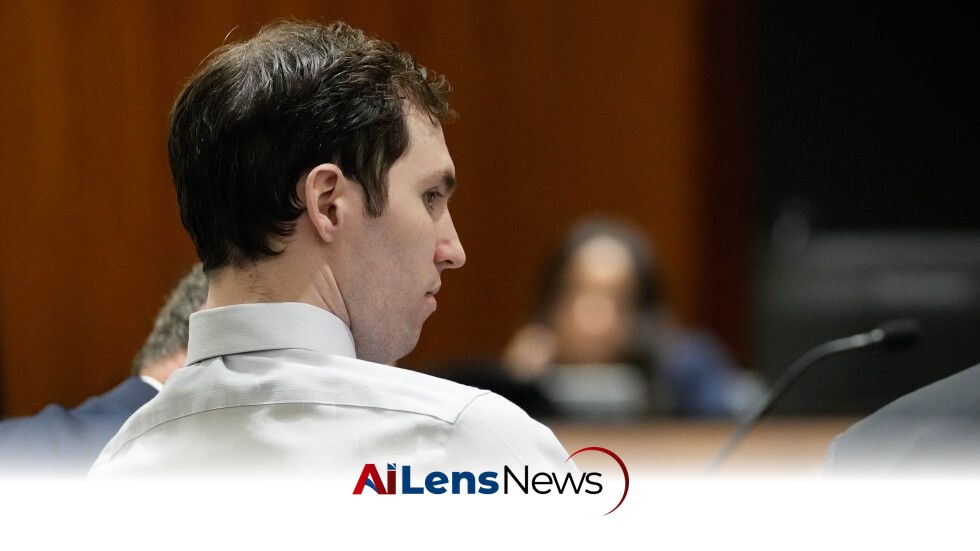


In a recent court hearing, the defense for Tyler Robinson, charged with killing conservative activist Charlie Kirk, contended that he should not face the death penalty as he hit the intended target during a crowded event.
Washington DC, United States Aug 13, 2026 ALN: In a significant legal development, the defense team representing Tyler Robinson, the man accused of fatally shooting conservative activist Charlie Kirk, has argued that he should not be eligible for the death penalty. This assertion was made during a preliminary hearing held in Fourth District Court in Provo, Utah. The case has drawn considerable attention not only due to the high-profile nature of the victim but also because it touches upon critical issues surrounding political violence, gun control, and the implications of such actions in a deeply divided society.
The defense's argument hinges on the claim that Robinson successfully hit his "intended target" during the shooting incident, which occurred at a large event attended by thousands of people last year. This point is crucial as it aims to mitigate the severity of the charges against him. The assertion raises complex legal questions about intent, culpability, and the standards for imposing the death penalty, particularly in cases involving politically motivated violence.
Charlie Kirk, a prominent figure in conservative circles, was shot during an event that drew significant public attention. The incident occurred during a rally that featured speeches from various conservative leaders, gathering a large audience that included supporters and detractors alike. The shooting not only resulted in the tragic loss of life but also raised concerns about safety and security at public gatherings, prompting discussions about the implications of such violence in political discourse. In recent years, the United States has seen a troubling increase in politically motivated violence, leading to an urgent need for a national conversation about the safety of public figures and the general public at large.
In the wake of the shooting, law enforcement agencies increased security measures at political events, reflecting a growing awareness of the potential dangers associated with political activism. The incident also sparked discussions about the role of social media in fueling divisive rhetoric and the potential for that rhetoric to manifest in real-world violence. The intersection of online discourse and real-world actions has become a focal point in understanding how political ideologies can escalate into physical confrontations.
During the hearing, Fourth District Court Judge Tony Graf presided over the proceedings, where both the prosecution and defense presented their cases. The defense's strategy appears to focus on the circumstances surrounding the shooting, emphasizing the context in which it occurred. They argue that while the act of shooting was undeniably tragic, the intent behind the act should be scrutinized carefully. This approach is not uncommon in cases involving the death penalty, where the defense often seeks to establish mitigating factors that could influence the severity of the sentencing.
The prosecution, on the other hand, is likely to argue that the nature of the crime, especially given its high-profile context, warrants the most severe penalties available under the law. The prosecution may emphasize the need for accountability in cases that could set a precedent for future acts of political violence. Legal experts suggest that the outcome of this case could significantly impact how similar cases are prosecuted in the future, especially in a climate where political tensions are high.
The case has garnered widespread media coverage, reflecting the polarized views surrounding both the incident and the broader implications for political activism in the United States. Many observers are closely following the legal proceedings, as they may set precedents for similar cases in the future. Public opinion is divided, with some viewing Robinson's actions as a reflection of a dangerous trend in political discourse, while others argue that the legal system must carefully consider the nuances of intent and context in determining culpability.
The media's portrayal of the case has also sparked debates about the role of the press in shaping public perception of violent acts tied to political ideology. Commentators have pointed out that sensational reporting can contribute to a climate of fear and division, further complicating the public's understanding of the complexities involved in such cases. The framing of the narrative surrounding political violence can influence how society perceives the motivations and consequences of such actions, potentially leading to broader implications for political discourse.
As the legal process unfolds, both sides are expected to continue presenting evidence and arguments. The defense may introduce expert witnesses to discuss issues related to mental health, intent, and the broader societal implications of political violence. This could include psychological evaluations that explore Robinson's state of mind at the time of the shooting, as well as sociological perspectives on the impact of political rhetoric on individual behavior. Meanwhile, the prosecution will likely work to establish a narrative that underscores the seriousness of the crime and the need for a strong legal response.
The outcome of this case could have significant ramifications not only for Robinson but also for discussions around gun violence and political safety in the current climate. Legal experts suggest that a conviction could lead to stricter laws regarding firearms at political events, while an acquittal or a lesser sentence might embolden those who view political violence as a legitimate means of expressing dissent. The implications of this case extend beyond the courtroom, potentially influencing legislative discussions and community responses to political activism.
In conclusion, the defense's assertion that Robinson should not face the death penalty due to hitting the intended target adds a complex layer to an already contentious case. The legal community and the public will be watching closely as this case progresses through the courts. The implications of the trial extend beyond the immediate parties involved, touching on broader societal issues related to political expression, violence, and the legal standards that govern such actions. As the nation grapples with these challenging topics, the outcome of this case may serve as a bellwether for how similar incidents are handled in the future. The intersection of law, politics, and public safety will remain a critical area of focus as the legal proceedings continue.
To learn more about the latest developments in Crime & Law, stay updated with our exclusive reports and analyses on AiLensNews.

