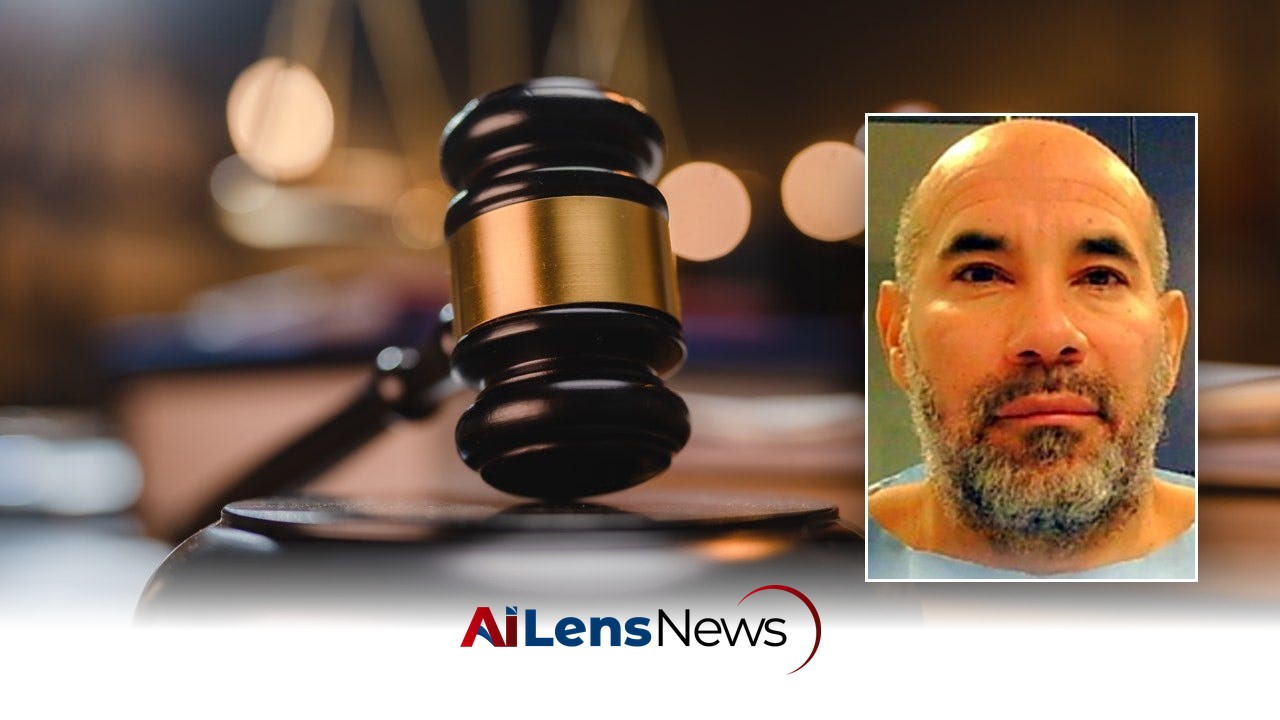


A Cuban national convicted of hijacking a plane post-9/11 has been ordered released by a federal judge, raising concerns over immigration enforcement.
Washington DC, United States Jul 14, 2026 ALN: A Cuban national convicted of hijacking an airplane in the wake of the September 11 attacks has been ordered released in Florida despite a standing order for his removal from the United States. The case has drawn attention not only due to the nature of the crime but also because it highlights the complexities of immigration law, international relations, and the judicial system.
Maikel Guerra Morales, along with several accomplices, assaulted a flight crew and hijacked a Cuban commuter airplane in 2003. This act of piracy involved forcing the aircraft to fly over 100 miles north to Monroe County, Florida, where it eventually landed at Key West International Airport. The hijacking occurred during a particularly tense period in U.S.-Cuba relations, following the terrorist attacks that had profoundly altered national security policies and perceptions of threats from abroad.
Morales was arrested that evening after U.S. Air Force jets were scrambled from Homestead Air Reserve Base to intercept the plane. The aircraft had originally taken off from Nuevo Gerona on Cuba’s Isle of Youth, a location that has historically been associated with various forms of migration and defection attempts by Cubans seeking a better life in the United States. The hijacking was part of a broader narrative of desperation among some Cubans, who perceive the U.S. as a land of opportunity, despite the risks involved in such dangerous actions.
Following his arrest, Morales was placed in U.S. custody, where he served a 22-year sentence for "aircraft piracy." This lengthy sentence reflects the serious nature of the crime, particularly in the context of aviation security, which has been a paramount concern since the events of 9/11. After completing his prison sentence in 2025, Morales was transferred to the custody of Immigration and Customs Enforcement (ICE), where he awaited deportation proceedings.
In 2023, a federal immigration judge issued an order of removal against Morales, indicating that he was to be deported. However, the complexities of his situation became evident when it was revealed that there was no clear pathway for his return to Cuba or any other country willing to accept him. This situation is not uncommon for individuals who find themselves in similar legal predicaments, particularly those from countries with strained diplomatic relations with the U.S.
Recently, Judge John Steele, appointed by President Bill Clinton, ruled in favor of Morales’ release. This decision was based on a Supreme Court ruling involving foreign nationals who had been held in custody without any country willing to accept them back. Judge Steele's ruling has raised significant questions about the legal framework surrounding immigration detention and deportation.
In his ruling, Judge Steele cited the lack of evidence that Morales would be deported in the foreseeable future. He stated, "Therefore, he is entitled to release from detention under ‘Zadvydas’," referencing a landmark case that established the rights of detained immigrants when no viable deportation options exist. This case has been pivotal in shaping the legal landscape for individuals facing similar situations, emphasizing the need for a balance between national security and individual rights.
In response to the ruling, Lauren Bis, Assistant Secretary of the Department of Homeland Security (DHS), expressed strong criticism, labeling Morales' release as an example of an "activist judge" undermining the administration's efforts to enforce immigration laws. Bis emphasized the commitment of DHS under President Trump to pursue the detention and removal of individuals deemed criminal illegal aliens, reinforcing the administration's stance on strict immigration enforcement.
The implications of this case extend beyond the individual circumstances of Morales. It highlights the ongoing debate over immigration policy in the United States, particularly in relation to how the judicial system interacts with executive immigration enforcement priorities. The ruling also raises questions about the treatment of individuals who have committed serious offenses but face deportation to countries that may not accept them, creating a legal limbo that can last for years.
Moreover, the case underscores the broader context of U.S.-Cuba relations. Following the 1959 Cuban Revolution, the U.S. implemented a series of policies aimed at isolating Cuba, which included strict immigration controls. The Cuban Adjustment Act of 1966 allowed Cubans who reached U.S. soil to apply for residency, a policy that has contributed to waves of migration over the decades. However, the dynamics of these policies have shifted, particularly in recent years, as the U.S. has sought to engage with Cuba diplomatically while simultaneously addressing concerns about human rights and political repression on the island.
In a related report following the hijackers' arrests in 2003, it was noted that Cuban officials demanded the U.S. return the plane and all occupants, including those charged with piracy. Morales and his co-defendants claimed at the time that they hijacked the plane "for freedom," a phrase that resonates deeply in the context of Cuba's long-standing struggles with government repression and the desire for political and economic liberty. This narrative of seeking freedom further complicates the legal and moral considerations surrounding cases like Morales', as they evoke questions about the nature of asylum, refuge, and the right to seek a better life.
As the legal proceedings and implications of Morales' release continue to unfold, the case serves as a focal point for discussions about immigration policy, judicial authority, and the intersection of law and human rights. It reflects the ongoing challenges faced by the U.S. legal system in navigating complex immigration issues while balancing national security interests and the rights of individuals caught in the web of international law and diplomacy.
Furthermore, this case has the potential to influence future decisions regarding immigration and deportation policies, especially in instances where individuals have committed serious crimes but cannot be returned to their home countries due to diplomatic standoffs or lack of cooperation. The ruling may encourage other individuals in similar situations to seek legal recourse, potentially leading to a rise in cases challenging the practices of prolonged detention in the absence of clear deportation pathways.
In light of the ongoing discussions surrounding immigration reform in the U.S., this case could serve as a catalyst for policymakers to reevaluate existing laws and procedures regarding the treatment of foreign nationals who have committed crimes. It raises critical questions about the balance between maintaining public safety and ensuring that individuals are treated fairly within the legal system, regardless of their immigration status or criminal history.
As the political landscape continues to evolve, the implications of Morales' release will likely resonate within broader debates on immigration reform, judicial independence, and the role of humanitarian considerations in immigration enforcement. The complexities of this case encapsulate the multifaceted nature of immigration issues in the U.S., where legal, political, and humanitarian concerns often intersect in challenging and unexpected ways.
To learn more about the latest developments in Crime & Law, stay updated with our exclusive reports and analyses on AiLensNews.

