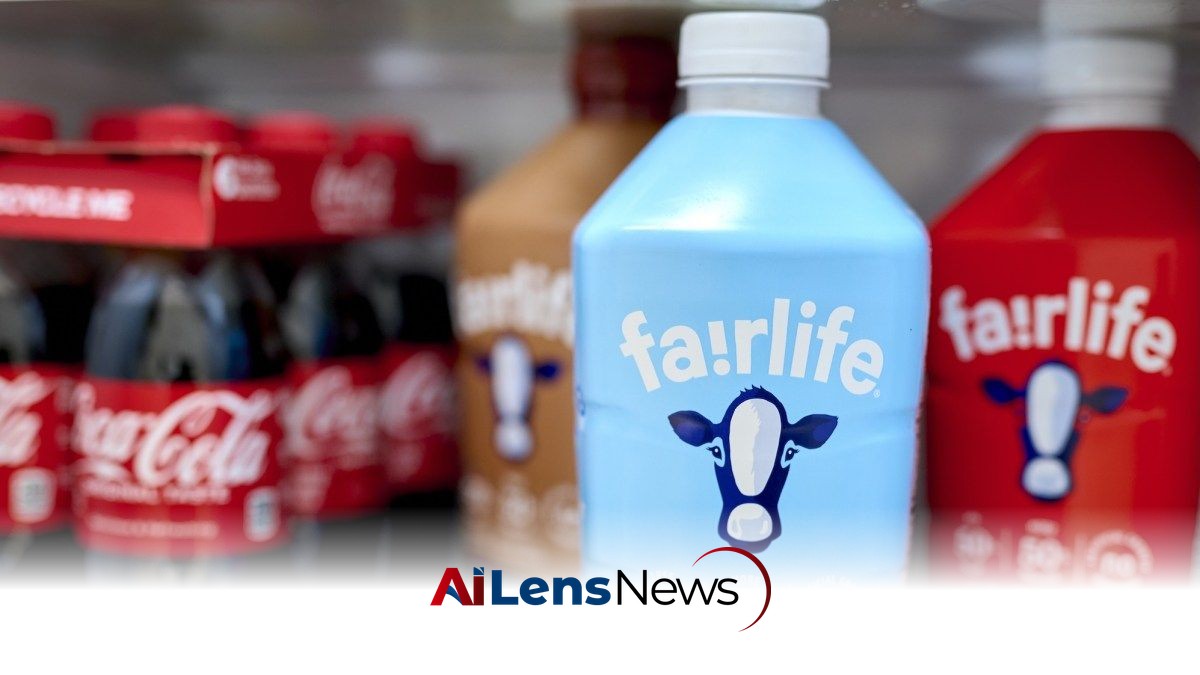


Coca-Cola has suspended production at its Fairlife dairy unit in the U.S. due to a ransomware attack, affecting its operations while Canadian facilities remain unaffected.
Washington DC, United States Jul 17, 2026 ALN: Coca-Cola, a leading U.S. beverage manufacturer, has announced the suspension of operations at its Fairlife dairy subsidiary following a ransomware attack. The company disclosed this incident to the U.S. Securities and Exchange Commission, indicating that the attack has impacted its production systems. As a result, Fairlife's dairy production across the United States is now "temporarily suspended."
In contrast, Fairlife's operations in Canada remain unaffected by the cyber incident.
Coca-Cola is recognized as one of the largest corporations globally, with a diverse product portfolio that includes carbonated beverages, water, and dairy items. Fairlife, one of its key brands, is projected to generate approximately $4 billion in sales by 2024.
Ransomware attacks targeting food and beverage companies can lead to significant disruptions. Previous incidents, such as the attacks on Arizona Beverages in 2019 and food distributor UNFI last year, resulted in prolonged interruptions to production and empty grocery shelves.
Coca-Cola has not provided a timeline for when Fairlife's systems will be restored, leaving many questions regarding the future of its dairy operations.
The recent ransomware attack on Fairlife underscores the increasing vulnerability of the food and beverage sector to cyber threats. As organizations become more reliant on digital technologies for production, supply chain management, and customer interaction, they also expose themselves to the risk of cyberattacks. Ransomware, a type of malicious software that encrypts a victim's files until a ransom is paid, has become a favored tactic among cybercriminals, particularly in industries that are critical to public health and safety.
The implications of such attacks extend beyond immediate operational disruptions. They can also lead to significant financial losses, reputational damage, and regulatory scrutiny. In the case of Fairlife, the suspension of dairy production may impact not only the company's bottom line but also the supply of its products in grocery stores across the U.S. This could lead to shortages of popular items, affecting consumers and retailers alike.
Fairlife, known for its high-protein milk and innovative dairy products, has carved out a significant niche in the competitive dairy market. The brand's growth trajectory, with projected sales reaching $4 billion by 2024, reflects a broader trend in consumer preferences towards health-oriented products. However, the recent cyberattack raises concerns about the stability of this growth and the potential long-term effects on the brand's market position.
The attack on Fairlife is not an isolated incident. The food and beverage industry has seen a rise in ransomware attacks in recent years. In 2019, Arizona Beverages was targeted, leading to significant operational disruptions. Similarly, in 2022, the food distributor UNFI experienced a ransomware attack that resulted in a halt to its operations, affecting the supply chain for numerous grocery retailers. These incidents highlight a troubling trend: as cybercriminals increasingly target essential services, the potential for widespread disruption grows.
Coca-Cola's response to the ransomware attack will be closely monitored by industry experts and stakeholders. The company has not yet disclosed whether it intends to pay the ransom, a decision that carries its own risks and ethical considerations. Paying the ransom does not guarantee that the attackers will restore access to the data or refrain from future attacks. Conversely, refusing to pay can lead to prolonged operational disruptions and potential data loss.
In addition to the immediate operational challenges, Coca-Cola may face scrutiny from regulators and stakeholders regarding its cybersecurity measures. Companies in the food and beverage sector are expected to implement robust cybersecurity protocols to protect sensitive data and maintain operational integrity. The effectiveness of these measures is likely to be a focal point in the aftermath of the attack.
The implications of the attack extend beyond Fairlife and Coca-Cola. It serves as a wake-up call for the entire food and beverage industry, emphasizing the need for enhanced cybersecurity practices. Organizations are encouraged to invest in advanced cybersecurity technologies, conduct regular security assessments, and foster a culture of cybersecurity awareness among employees.
As the situation unfolds, stakeholders will be looking for updates from Coca-Cola regarding the restoration of Fairlife's operations. The company has a responsibility not only to its shareholders but also to its customers and employees to address the challenges posed by this cyber incident effectively. The ability to recover swiftly from such attacks is crucial in maintaining consumer trust and ensuring the continuity of essential services.
In conclusion, the ransomware attack on Fairlife serves as a stark reminder of the vulnerabilities that exist within the food and beverage industry. As companies increasingly rely on digital technologies, the threat landscape continues to evolve. The outcome of this incident will likely influence how companies approach cybersecurity in the future, prompting a reevaluation of existing practices and the implementation of more stringent security measures. The coming weeks will be critical for Fairlife and Coca-Cola as they navigate the complex challenges posed by this attack and work towards restoring normal operations.
Do you have insights about the cyberattack at Fairlife? If you are affiliated with the company, we would appreciate your input. You can securely reach out to Zack Whittaker on the Signal messaging app using the username zackwhittaker.1337 from a non-work device.
To learn more about the latest developments in Health & Public Safety, stay updated with our exclusive reports and analyses on AiLensNews.

