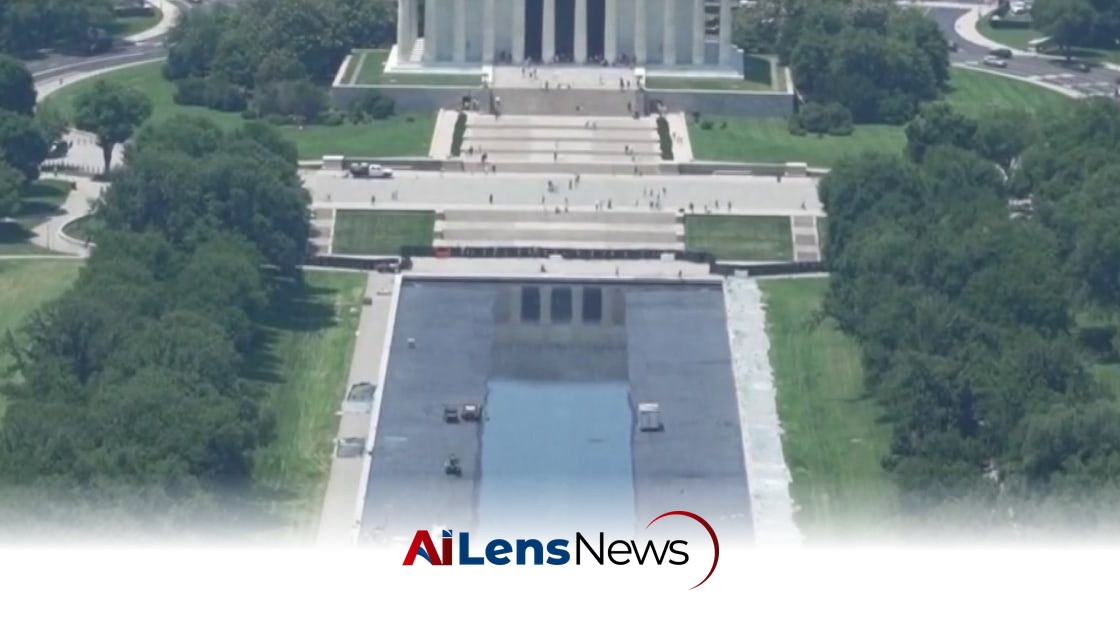


The Trump administration has dropped charges against a former Olympic canoeist regarding damage to the Lincoln Memorial reflecting pool, citing new evidence implicating the contractor.
Washington DC, United States Aug 1, 2026 ALN: The Trump administration has officially dropped charges against a former Olympic canoeist related to the damage incurred on the recently renovated Lincoln Memorial reflecting pool. This decision comes after new evidence emerged, indicating that the contractor responsible for the renovation was to blame for the damage.
The reflecting pool, a significant landmark located in Washington, D.C., underwent extensive renovations aimed at restoring its historical integrity. The Lincoln Memorial and its reflecting pool are iconic symbols of American history and culture, drawing millions of visitors each year. The reflecting pool, situated directly in front of the Lincoln Memorial, is not only a visual centerpiece but also holds deep historical significance as a site where many pivotal events in American history have taken place, including the 1963 March on Washington for Jobs and Freedom, where Dr. Martin Luther King Jr. delivered his famous "I Have a Dream" speech.
However, during the renovation process, issues arose that led to damage, prompting legal action against the former athlete. The renovations were intended to enhance the experience for those who come to pay their respects at this historic site. As part of this project, the National Park Service aimed to improve the aesthetics and functionality of the reflecting pool, which had faced various challenges over the years, including water quality issues and structural wear and tear. The project was anticipated to restore the pool to its original grandeur, ensuring it could continue to serve as a site for reflection and remembrance.
According to sources, the administration's decision to drop the charges reflects a thorough review of the circumstances surrounding the incident. The newly discovered evidence suggested that the contractor failed to adhere to proper guidelines during the renovation, ultimately leading to the damage. Reports indicated that the contractor may have overlooked critical safety protocols and maintenance standards that are usually in place for projects of such historical significance. This negligence not only led to the damage but also raised questions about the oversight and accountability of contractors engaged in public works projects.
This development has been welcomed by the athlete's supporters, who argued that the charges were unjust and that the former Olympian should not be held accountable for the contractor's mistakes. The former athlete, who had previously represented the United States in international competitions, expressed relief at the decision, stating that they had always maintained their innocence and that the legal battle had taken a toll on their personal and professional life. Supporters emphasized the importance of ensuring that individuals are not wrongfully blamed for actions outside of their control, especially when it comes to complex projects involving multiple stakeholders.
As the legal proceedings conclude, attention will now shift to ensuring that the contractor is held accountable for any negligence that may have occurred during the renovation process. This situation underscores the need for stringent oversight in public works projects, particularly those involving historical landmarks. The potential repercussions for the contractor could include fines, loss of contract, or further legal action, depending on the findings of any investigations into their practices.
This incident serves as a reminder of the importance of adhering to standards in public works projects, particularly those involving historical landmarks. The Lincoln Memorial and its reflecting pool are not just physical structures; they represent the values and history of the United States. Ensuring their preservation is paramount, and any lapses in contractor performance can lead to significant public outcry, as seen in this case.
Moreover, the implications of this incident extend beyond just the parties directly involved. It raises broader questions about the accountability of contractors in public projects and the mechanisms in place to ensure compliance with regulations. As public infrastructure continues to age, the need for renovations and restorations will only increase, making it essential for governments at all levels to establish clear guidelines and standards for contractors to follow.
In light of this incident, policymakers may consider reviewing and possibly reforming the processes for selecting contractors for public works projects, ensuring that only those with a proven track record of quality and compliance are entrusted with such important tasks. Additionally, there may be a push for increased transparency in how contracts are awarded and how projects are monitored throughout their duration.
As the public awaits further developments regarding the contractor's accountability, it is crucial for stakeholders, including government officials, community members, and preservationists, to engage in discussions about the future of the Lincoln Memorial reflecting pool and similar historical sites. The goal should be to foster an environment where such incidents can be avoided in the future, ensuring that these landmarks continue to honor their historical significance and serve as places of reflection for generations to come.
The Lincoln Memorial reflecting pool, completed in 1922, has not only served as a backdrop for historic speeches and events but also as a symbol of the American spirit of resilience and unity. The recent renovations were part of a broader initiative to preserve such national treasures, reflecting a commitment to maintaining the cultural heritage of the United States. However, the incident has raised concerns about the adequacy of existing oversight mechanisms in place to protect these vital structures.
As public infrastructure projects become increasingly complex, the need for effective oversight grows. The failure of the contractor to follow established protocols during the renovation of the Lincoln Memorial reflecting pool is a case in point. It highlights the potential risks involved when projects of national significance are entrusted to contractors who may not fully understand or appreciate the historical context and importance of the work they are undertaking.
Furthermore, this case may prompt a re-evaluation of the qualifications required for contractors bidding on public works projects, particularly those involving historical sites. A more rigorous vetting process could help ensure that only those with the necessary expertise and experience are allowed to undertake such sensitive renovations. This could involve not only assessing past performance but also requiring contractors to demonstrate a clear understanding of the historical and cultural significance of the sites they are tasked with restoring.
In addition to the potential for legal repercussions for the contractor involved, this incident may also impact public trust in government processes related to infrastructure projects. Citizens expect that their government will safeguard public assets, especially those that hold significant historical and cultural value. When mistakes occur, as they did in this case, it can lead to skepticism about the efficacy of public oversight and the competence of those managing such projects.
Moving forward, it will be essential for the National Park Service and other relevant authorities to communicate transparently with the public about the steps being taken to address the situation and prevent similar occurrences in the future. This includes not only holding the contractor accountable but also outlining the measures that will be implemented to enhance oversight and ensure compliance with established standards.
In conclusion, while the dropping of charges against the former Olympian marks a significant development in this case, it also serves as a catalyst for broader discussions about the accountability of contractors in public works projects, particularly those involving historical landmarks. As the nation reflects on its commitment to preserving its cultural heritage, it is imperative that lessons are learned from this incident to ensure the integrity and longevity of such significant sites for future generations.
To learn more about the latest developments in Crime & Law, stay updated with our exclusive reports and analyses on AiLensNews.

