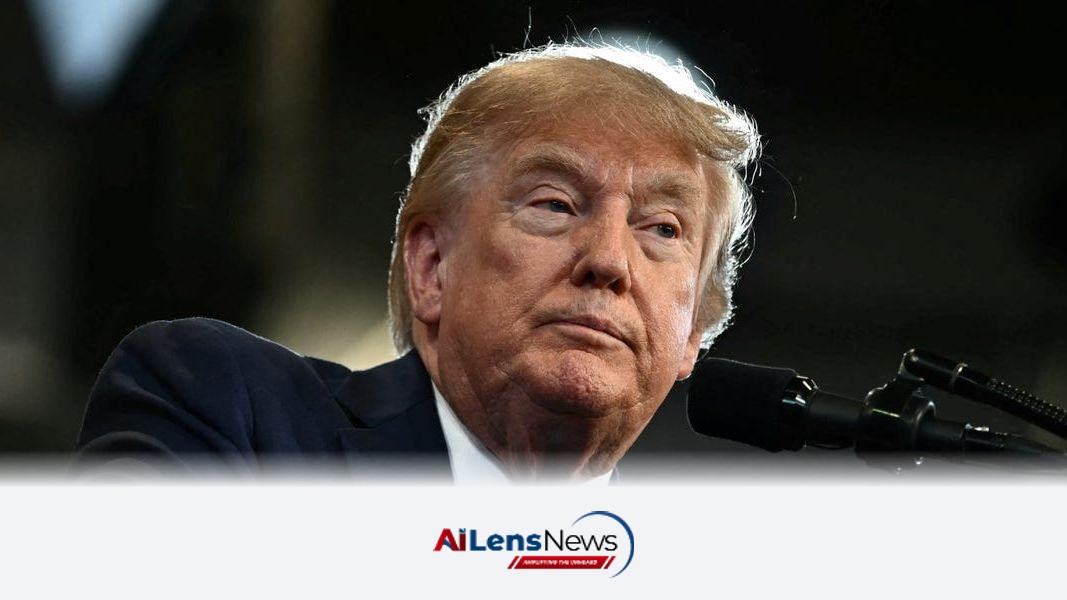



The National Cattlemen's Beef Association condemns Trump's initiative to import beef, claiming it undermines American producers ahead of the midterm elections.
Washington DC, United States Aug 23, 2026 ALN: America's largest trade association of cattle producers has voiced strong opposition to President Donald Trump's recent initiative aimed at lowering beef prices. The National Cattlemen's Beef Association (NCBA), representing over 175,000 cattle producers and feeders, stated that the plan would ultimately harm the industry rather than help it. This reaction underscores the complex dynamics of agricultural policy in the United States, where local producers often find themselves at odds with national trade strategies that prioritize consumer pricing over domestic agricultural stability.
On Friday, Trump announced that the U.S. would permit the importation of up to 300,000 metric tons of beef without out-of-quota tariffs over the next 90 days. This decision is part of a broader strategy to address rising food prices, which have become a pressing concern for many Americans. However, the NCBA quickly responded, asserting that this decision undermines American cattle producers at a critical time when they are making decisions about rebuilding their herds for the upcoming year. The timing of this announcement is particularly contentious, as many producers are already facing economic pressures from various fronts, including rising feed costs and adverse weather conditions affecting pastureland.
The NCBA emphasized that U.S. farmers and ranchers require stability, contrasting their long-term investment strategies with the short-term, reactive nature of the administration's decisions. "Unlike spur-of-the-moment trading decisions made based on White House social media posts, the decisions and investments ranchers make in their herds are made YEARS in advance, not days or weeks," the association remarked. This statement reflects a fundamental tension in agricultural economics, where the cyclical nature of livestock production means that decisions made today can have ramifications for years to come. The cattle industry is particularly sensitive to market fluctuations, as producers often invest significant time and resources into breeding, raising, and feeding livestock before they can sell their cattle for beef production.
Colin Woodall, CEO of the NCBA, expressed disappointment with the announcement, stating that it jeopardizes herd expansion and sacrifices long-term stability for short-term messaging. The cattle industry has been grappling with rising costs, a declining national cattle inventory, and land constraints due to ongoing droughts, which have contributed to increased beef prices for consumers. The implications of these challenges extend beyond just the ranchers; they affect the entire supply chain, including feed suppliers, processors, and retailers, ultimately impacting consumers who are already facing higher prices at the grocery store.
This situation poses a challenge for Trump, who has made reducing costs and combating inflation a central theme of his presidential campaign. Many Americans are still struggling with rising gas prices, a stagnant real estate market, and high food costs, which could influence their voting decisions in the upcoming midterm elections. The political landscape is further complicated by a recent report from research marketplace Cint, indicating that over half of respondents cited the cost of living as the primary issue affecting their votes. This suggests that any policy perceived as detrimental to economic stability could have significant electoral consequences.
Other agricultural groups and some members of Trump's base have also criticized the plan as a short-term fix. Oklahoma Farm Bureau President Stacy Simunek warned that allowing foreign beef products to enter the U.S. market threatens the prices that American producers currently receive for their cattle, even as production costs rise. This concern is echoed by many in the agricultural community who fear that increased imports could lead to market oversaturation, driving down prices for domestic beef and undermining the livelihoods of American ranchers.
Montana Senator Tim Sheehy, a rancher himself, advised Trump against the plan, while Oklahoma Attorney General Gentner Drummond echoed similar sentiments, stating that flooding the market with imported beef would harm American farmers. These voices reflect a growing consensus among agricultural stakeholders that the administration's approach may not adequately consider the unique challenges faced by domestic producers, particularly in a time of economic uncertainty.
Good Ranchers, a beef distributor, added that the strategy would exert additional pressure on cattle producers already facing numerous challenges. They emphasized that the solution does not lie in increasing imports of cheaper beef with lower standards. This highlights a critical issue within the debate: the balance between ensuring affordable food prices for consumers and maintaining the integrity and sustainability of domestic agricultural practices. Critics of the import plan argue that it could undermine food safety standards and animal welfare practices that American consumers expect from their beef supply.
The backlash from the cattle industry serves as a stark reminder of the complexities surrounding trade and agricultural policy in the U.S. As the midterm elections approach, the administration will need to navigate these challenges carefully, balancing the immediate needs of consumers with the long-term viability of American agriculture. The outcome of this debate will not only affect cattle producers but also shape the broader landscape of U.S. food policy and trade relations.
Are you an American cattle producer who will be affected by Trump's strategy? Reach out to share your story.
To learn more about the latest developments in Agriculture & Rural Affairs, stay updated with our exclusive reports and analyses on AILensNews.

