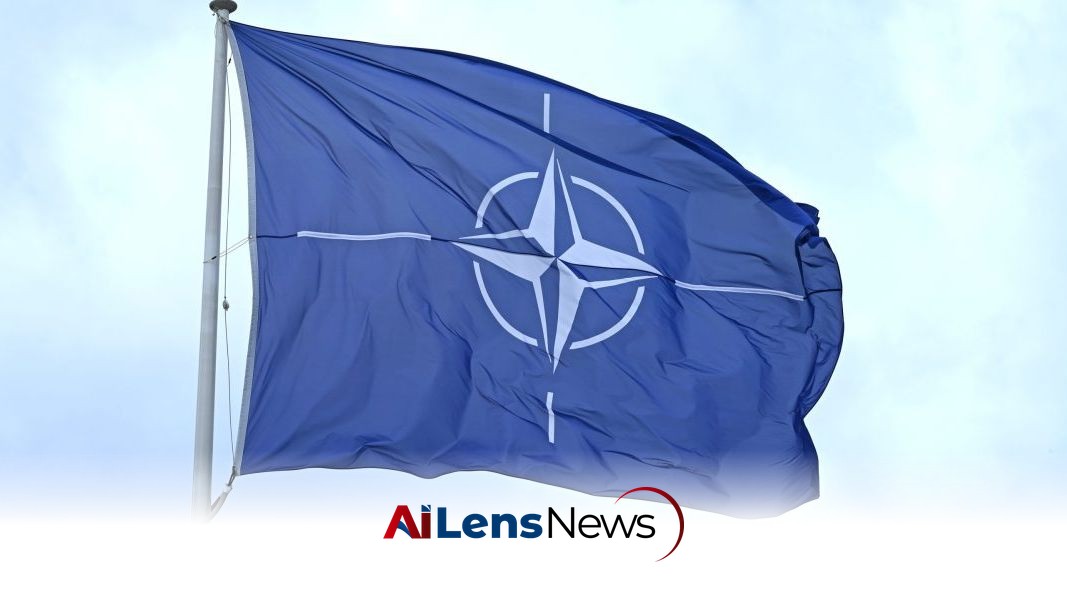


A Canadian woman has been arrested on suspicion of espionage while interning at NATO's operational headquarters, accused of spying for a foreign nation.
Washington DC, United States Jul 26, 2026 ALN: A Canadian woman was arrested and accused of espionage while working as an intern in the operational headquarters of the NATO military alliance, Belgian authorities said Saturday. This incident has raised significant concerns about security and intelligence within NATO, particularly given the sensitive nature of the work conducted at the organization's headquarters. The implications of espionage within such a crucial institution could reverberate not only across NATO member states but also in the broader geopolitical landscape.
Belgium’s Federal Prosecutor’s Office stated that it launched an espionage investigation after NATO’s security services alerted Belgium’s military intelligence. Following this tip-off, authorities detained “a Canadian citizen of Chinese origin” on Friday, a day after conducting raids at both the suspect’s home and her workplace situated within NATO’s expansive command center. This suggests that the investigation was thorough and involved multiple layers of security protocols, indicative of the seriousness with which NATO and Belgian authorities treat potential threats to their operations.
“She is suspected of spying on behalf of a third country and of being a member of a criminal organization,” the prosecutors said in a statement. The specifics of the alleged espionage activities have not been disclosed, but the implications of such actions could be far-reaching, especially in the context of NATO's ongoing strategic operations and its relationships with member states. Espionage, particularly within a military alliance like NATO, can undermine trust and cooperation among member nations, essential components for collective security.
The strategic headquarters of the Allied Powers, known as SHAPE (Supreme Headquarters Allied Powers Europe), is located in the southern Belgian city of Mons, close to the French border. At SHAPE, military officials collaborate to plan and command joint strategies, tactics, and operations for NATO missions. This facility is crucial for the alliance, coordinating efforts among member nations to respond to various security challenges. The political headquarters of NATO is based in Brussels, where ambassadors from member nations convene to discuss pressing issues such as defense spending, drone incursions, and emerging cyber threats. Notably, NATO’s Cyber Security Centre is also located at SHAPE, highlighting the importance of cybersecurity in contemporary military strategy.
In response to the arrest, Col. Martin L. O’Donnell, a spokesperson for SHAPE, stated, “At this time, there is no indication that NATO or SHAPE operational readiness, command and control arrangements, or ongoing tasks have been adversely affected. SHAPE continues to fulfil its responsibilities without interruption.” This assurance is vital as it indicates that the operational capabilities of NATO remain intact despite the ongoing investigation, which could have otherwise raised alarms among member nations about potential vulnerabilities. Maintaining operational readiness is crucial for NATO, particularly in an era marked by heightened tensions with adversarial states.
Both Canada and Belgium are members of NATO, which currently comprises 32 nations. The alliance has increasingly recognized China as a security challenge, alongside other active threats posed by Russia and instability in the Middle East. In 2021, NATO leaders articulated concerns regarding China's growing influence and military capabilities, labeling its actions as undermining the global order. They expressed that Beijing's goals and assertive behavior present systemic challenges to the rules-based international order, particularly in areas relevant to alliance security. This context adds another layer of complexity to the arrest, as it raises questions about the motivations behind the alleged espionage.
The Chinese government has responded to NATO's characterization, denouncing the alliance's statements and asserting that its military buildup is purely defensive in nature. This exchange illustrates the broader geopolitical tensions that exist between NATO and China, particularly as the alliance seeks to address the implications of China’s expanding military presence and its potential impacts on global security dynamics. The arrest of a Canadian intern of Chinese origin could further strain relations, as it may be perceived as a reflection of underlying fears regarding espionage and influence operations.
The arrest in Belgium comes at a particularly crucial time for NATO, which has been facing substantial criticism from various quarters, including from the United States under the leadership of President Donald Trump. Trump's administration has drawn down the U.S. security role in Europe, urging allies to increase their defense spending and take a more active role in conflicts such as the one in Iran. Additionally, Trump's controversial remarks regarding Greenland, where he suggested a desire to purchase the territory from Denmark, have rattled European allies and raised concerns about the future of transatlantic relations. This backdrop of uncertainty may amplify the significance of the arrest, as NATO seeks to project unity and strength in the face of external challenges.
In response to pressure from Trump, NATO nations in the previous year agreed to allocate 5% of their gross domestic product towards defense initiatives. This commitment includes 3.5% dedicated to defense items such as aircraft and missiles, and an additional 1.5% aimed at infrastructure improvements, including roads, bridges, ports, and cybersecurity enhancements. This shift in focus towards increased defense spending reflects the alliance's recognition of evolving security threats and the need to bolster its collective defense posture. The arrest may prompt NATO to reassess its internal security measures and intelligence-sharing protocols to prevent similar incidents in the future.
The implications of the recent arrest extend beyond immediate security concerns; they may also influence how NATO approaches its relationships with non-member states, especially those perceived as potential adversaries. As the landscape of global security continues to evolve, incidents like this underscore the necessity for vigilance and robust counterintelligence measures within military alliances. The situation also serves as a reminder of the complexities involved in international relations, where espionage and intelligence gathering often play critical roles in shaping national security policies. This incident could lead to a reevaluation of how NATO engages with countries that have significant intelligence operations, particularly those with contentious relationships with the alliance.
In conclusion, the arrest of the Canadian intern at NATO's operational headquarters highlights significant issues surrounding espionage, security, and international relations. As the investigation unfolds, it will be essential for NATO and its member states to assess the broader implications of this incident, particularly in the context of their ongoing efforts to address emerging threats and maintain stability within the alliance. The outcome of this case may also influence NATO's future strategies regarding intelligence sharing and collaboration among member nations, as they navigate an increasingly complex global security environment. Furthermore, it may prompt a reexamination of the protocols surrounding personnel security within NATO, ensuring that the integrity of the alliance is upheld in all operational capacities.
To learn more about the latest developments in Crime & Law, stay updated with our exclusive reports and analyses on AiLensNews.

