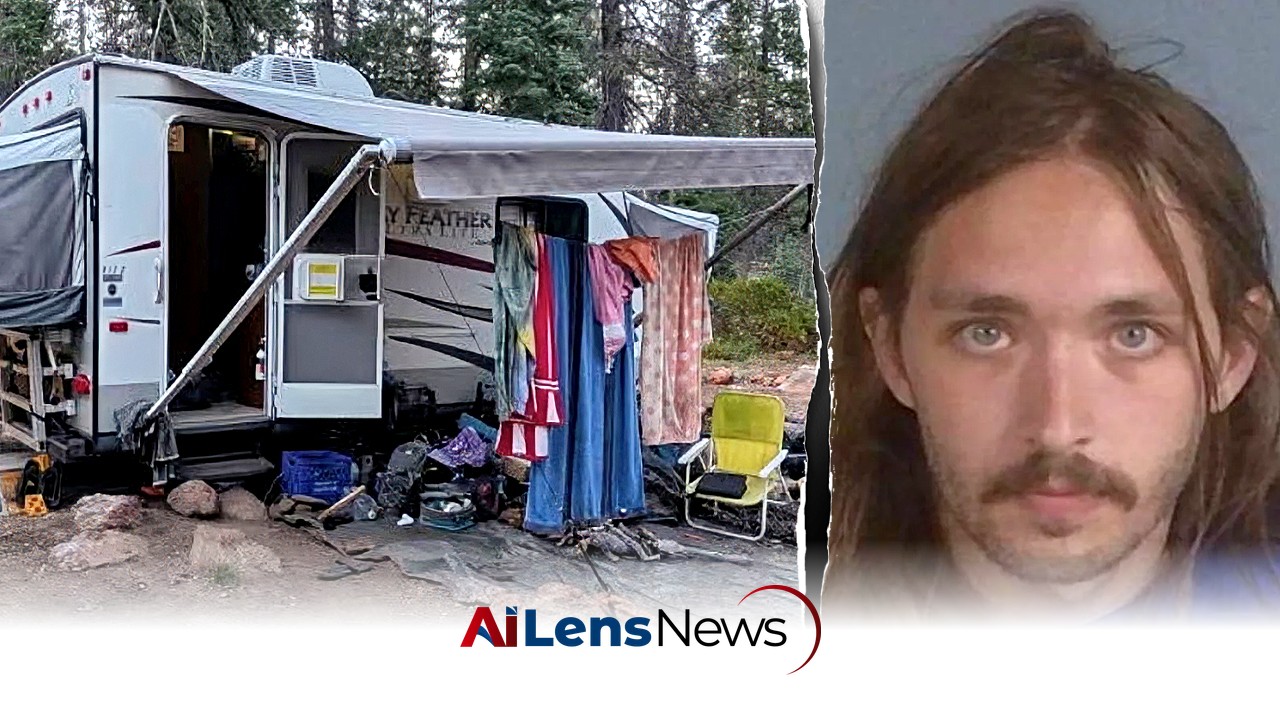


Newly unsealed documents reveal the tense moments during a 15-hour hostage standoff with FBI negotiators, leading to the rescue of two U.S. Forest Service biologists.
Washington DC, United States Jul 18, 2026 ALN: The recent hostage situation involving two U.S. Forest Service biologists in California highlights the complexities and dangers faced by federal employees working in remote areas. The incident, which unfolded over approximately 15 hours, has raised significant concerns regarding public safety, the challenges of law enforcement in isolated regions, and the broader implications for federal employees engaged in environmental conservation and research.
The accused, Joseph Charles Henrichsen, 49, and his son, Phoenix Henrichsen, 23, are at the center of this alarming case. According to newly unsealed federal court documents, Joseph Henrichsen allegedly approached the biologists while armed with an AR-15-style rifle. This type of firearm is often associated with serious criminal activity, and its use in this context underscores the potential for violence in such hostage situations.
Initial reports indicate that the biologists were taken hostage in a trailer located near Gumboot Lake, within the Shasta-Trinity National Forest, a remote area known for its natural beauty and outdoor recreational opportunities. The Shasta-Trinity National Forest is the largest national forest in California, covering over 600,000 acres and featuring diverse ecosystems, including mountain ranges, rivers, and lakes. This forest is a popular destination for campers, hikers, and wildlife enthusiasts, but it can also be a challenging environment for law enforcement to navigate, particularly in urgent situations such as this one.
The FBI's response included deploying a hostage negotiator from Quantico, Virginia, to coordinate with local law enforcement. This highlights the federal agency's commitment to resolving hostage situations with minimal violence. The negotiations lasted several hours, during which Joseph Henrichsen reportedly communicated demands, including a request to speak directly with an FBI investigator. Such demands are not uncommon in hostage scenarios, as captors often seek validation or a sense of control over the situation. The presence of a trained negotiator is crucial in these situations, as they are skilled in de-escalating tensions and finding a peaceful resolution.
During the ordeal, Henrichsen allegedly used one of the biologists' cellphones to leave a voicemail declaring, "I've taken two fed biologists hostage," further illustrating the gravity of the situation. His threats included references to having live rounds and a grenade, which significantly escalated the stakes for negotiators and law enforcement officers on the scene. The mention of a grenade, in particular, would have heightened the urgency of the response, as it suggested a potential for immediate harm to the hostages as well as to law enforcement personnel. The FBI’s crisis negotiation team, trained to handle such high-tension scenarios, would have been acutely aware of the implications of these threats and would have adjusted their strategies accordingly.
As the situation developed, the FBI and local authorities worked collaboratively to ensure the safety of the hostages. Siskiyou County Sheriff Jeremiah LaRue described the multi-agency response as a massive operation, emphasizing the importance of coordination among local, state, and federal agencies in such high-stakes incidents. This level of collaboration is crucial in ensuring that resources are effectively utilized and that the safety of all individuals involved is prioritized. The involvement of various law enforcement agencies not only aids in managing the immediate crisis but also ensures that a comprehensive approach is taken to address any potential threats to the surrounding community.
After extensive negotiations, both hostages were ultimately released early Friday morning, with Phoenix Henrichsen surrendering shortly thereafter. The successful resolution of the standoff without loss of life is a testament to the skill and professionalism of the law enforcement agencies involved. U.S. Forest Service Chief Tom Schultz expressed his gratitude for the safe return of the employees, highlighting the risks faced by federal workers in the field. The incident has sparked discussions about the need for enhanced safety protocols for federal employees working in isolated areas, where they may be vulnerable to similar threats.
In the aftermath of the incident, both Joseph and Phoenix Henrichsen have been charged with two counts of kidnapping federal employees. If convicted, they face severe penalties, including the possibility of life imprisonment. This legal outcome will not only serve as a consequence for their actions but also as a broader message about the seriousness of threats against federal employees and the legal ramifications of such conduct. The case may also set a precedent for future incidents involving violence against federal workers, highlighting the need for strict enforcement of laws designed to protect those who serve the public.
While the motive behind the kidnapping remains unclear, the situation raises important questions about the safety of federal employees, particularly those working in remote and potentially dangerous environments. The U.S. Forest Service and other federal agencies must consider the implications of this incident for their operational protocols, employee training, and risk assessment strategies in the field. Developing comprehensive training programs that address potential threats, as well as providing mental health support for employees, could help mitigate risks in the future.
Furthermore, the incident sheds light on the broader societal issues surrounding mental health and violence. It is essential for law enforcement and mental health professionals to work together to address the underlying factors that can lead to such extreme actions. Understanding the motivations behind violent behavior can help prevent similar incidents in the future and promote a safer environment for both public employees and the communities they serve. Public awareness campaigns aimed at destigmatizing mental health issues may also play a role in preventing violence and promoting understanding within communities.
As the legal proceedings move forward, it will be critical for the court to examine the circumstances surrounding the hostage situation, including the psychological state of the accused and any potential factors that may have contributed to their actions. This case not only highlights the immediate dangers faced by federal employees but also underscores the need for ongoing discussions about public safety, mental health resources, and the protection of those who serve in critical roles within our communities. The legal system will need to balance the need for justice with an understanding of the complexities that can lead to such violent incidents.
In conclusion, the hostage situation involving the U.S. Forest Service biologists serves as a stark reminder of the risks faced by federal workers in remote areas and the complexities of responding to violent incidents. As the investigation continues and legal proceedings unfold, the focus will remain on ensuring justice for the victims while also addressing the broader implications for public safety and the well-being of federal employees across the nation. This incident may catalyze changes in policy and practice, potentially leading to improved safety measures for those who work in high-risk environments, ultimately fostering a safer working environment for federal employees and the communities they serve.
To learn more about the latest developments in Crime & Law, stay updated with our exclusive reports and analyses on AiLensNews.

