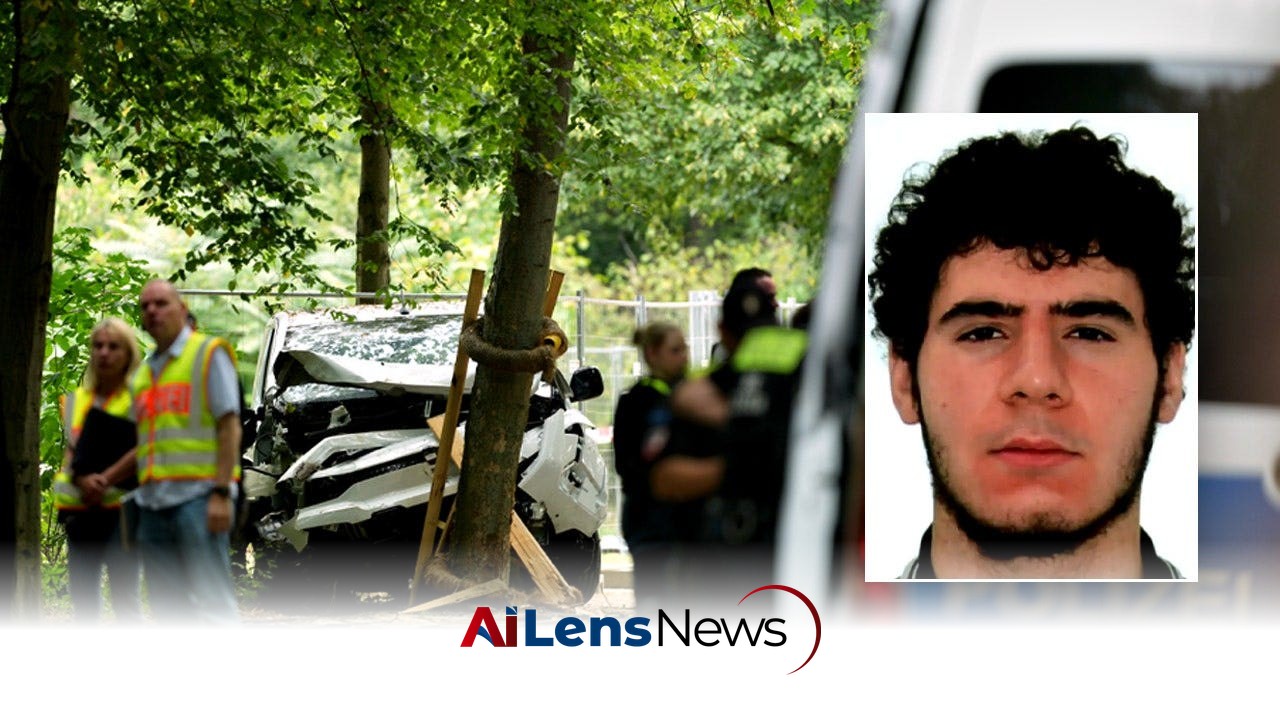


Abdul Ballout, linked to Islamist groups, was shot dead by police after a deadly van attack during Berlin's Pride festival, leaving one dead and many injured.
Washington DC, United States Jul 26, 2026 ALN: In a tragic incident during Berlin's Pride festival, a suspect identified as Abdul Ballout was killed in a police confrontation following a deadly attack that left one person dead and at least 29 others injured. The attack, which involved a van plowing into a crowd and subsequent machete assaults, is being investigated as a potential Islamic terror act. The implications of this violent episode resonate deeply within the context of both public safety and the ongoing struggle against radicalization in Germany.
Authorities launched an intensive manhunt for the 21-year-old suspect, who has alleged ties to Germany's 'Islamist scene.' German Interior Minister Alexander Dobrindt stated that everything observed points to the incident being an Islamic terror attack. This assertion underscores the heightened sensitivity surrounding acts of violence that target public gatherings, particularly those that celebrate diversity and inclusion, such as the Pride festival.
Ballout, a German citizen of Lebanese descent, was known to police for previous offenses and had been flagged for radicalization. He was born in Germany, with his mother having become a naturalized citizen in 2002. Despite having received a suspended prison sentence for unspecified crimes, he was still able to carry out the attack. This raises critical questions regarding the effectiveness of monitoring individuals who have been identified as potential threats and the mechanisms in place to prevent them from committing acts of violence.
The incident occurred around 10 p.m. on Saturday in Berlin's Tiergarten park, just a short distance from the annual Christopher Street Day Pride celebration, one of Europe's largest LGBTQ+ events. Witnesses reported that the van crashed into a tree after the initial impact, and the suspect then attacked several individuals with a machete before fleeing the scene. The chaotic aftermath of the attack saw festival-goers scrambling for safety, highlighting the vulnerability of public spaces to acts of violence.
Emergency services reported that one woman was killed, while three others sustained life-threatening injuries. The attack prompted immediate action from festival organizers, who halted the celebrations and urged attendees to evacuate the area. This swift response reflects the necessity for contingency plans at large public events, particularly in light of recent global trends in mass violence.
As the manhunt unfolded, police searched multiple locations across Berlin, including an apartment in the Schöneberg district, but did not locate Ballout until the confrontation that led to his death. The police's determination to apprehend the suspect reflects a broader commitment to ensuring public safety and addressing the fears that such incidents instill within communities.
"The suspect is known to police. He is known to us as a member of Islamic circles here in Berlin, and our search for this person is proceeding at full speed," said police spokesman Florian Nath. This statement not only confirms the suspect's connections to extremist groups but also highlights the challenges law enforcement faces in monitoring and intervening with individuals who may pose a risk to society.
While the investigation continues, the community mourns the loss and grapples with the implications of such violence during a celebration of love and acceptance. The Pride festival, which symbolizes the fight for LGBTQ+ rights and visibility, now finds itself at the center of a tragedy that challenges the ideals of safety and inclusivity that it seeks to promote. Community leaders and activists have expressed their outrage and grief, calling for solidarity and resilience in the face of such acts of hatred.
The attack raises significant concerns about the intersection of terrorism and public celebrations, particularly in a country that has been grappling with the rise of far-right extremism and Islamist radicalization. Germany has experienced a number of high-profile attacks in recent years, prompting a reevaluation of security measures at public events. The incident may lead to calls for increased surveillance and preventive measures, which could spark debates about civil liberties and the balance between security and freedom.
Furthermore, the implications of this attack extend beyond immediate security concerns. It highlights the need for comprehensive strategies to address radicalization, which is a multifaceted issue influenced by social, economic, and political factors. Experts argue that addressing the root causes of radicalization, such as social isolation, economic disenfranchisement, and lack of community engagement, is essential in preventing future incidents.
The manhunt is ongoing, and authorities are urging anyone with information to come forward. This plea for public assistance underscores the community's role in ensuring safety and security, as well as the importance of vigilance in the face of potential threats. The aftermath of the attack will likely lead to increased scrutiny of social media platforms and online radicalization, as investigators seek to understand the motivations and planning behind the assault.
As Berlin continues to process the shock of this violent act, it also serves as a reminder of the resilience of communities in the face of adversity. The Pride festival, which celebrates diversity and acceptance, must now also become a rallying point for solidarity against violence and hatred. The coming days and weeks will be crucial in determining how the city, and indeed the country, responds to this tragedy and what measures will be taken to ensure the safety of its citizens during public gatherings.
In the aftermath of such incidents, it is also vital to consider the psychological impact on survivors and witnesses. The trauma inflicted by acts of violence can have long-lasting effects, not only on those directly affected but also on the broader community. Mental health support and counseling services will likely be needed to help individuals process their experiences and begin to heal.
The attack comes at a time when LGBTQ+ rights have been a focal point of social progress in many parts of the world, including Germany. The Pride festival is not only a celebration of love and acceptance but also a demonstration of the ongoing struggle for equality and recognition. The violent interruption of such an event raises questions about the safety of marginalized communities and the societal attitudes that contribute to such violence.
As discussions unfold regarding the implications of this attack, it is crucial to foster dialogue about tolerance, acceptance, and the importance of standing against hate in all its forms. The Pride movement has historically been rooted in resistance against oppression, and this incident may galvanize further activism and advocacy for the rights of LGBTQ+ individuals, as well as for broader societal change.
In conclusion, the tragic events during Berlin's Pride festival serve as a stark reminder of the vulnerabilities faced by public gatherings in today's world. They highlight the urgent need for comprehensive strategies to combat radicalization, ensure public safety, and promote inclusivity. As the investigation continues, the community must come together to honor the victims and reaffirm their commitment to love, acceptance, and resilience in the face of hatred.
To learn more about the latest developments in Crime & Law, stay updated with our exclusive reports and analyses on AiLensNews.

