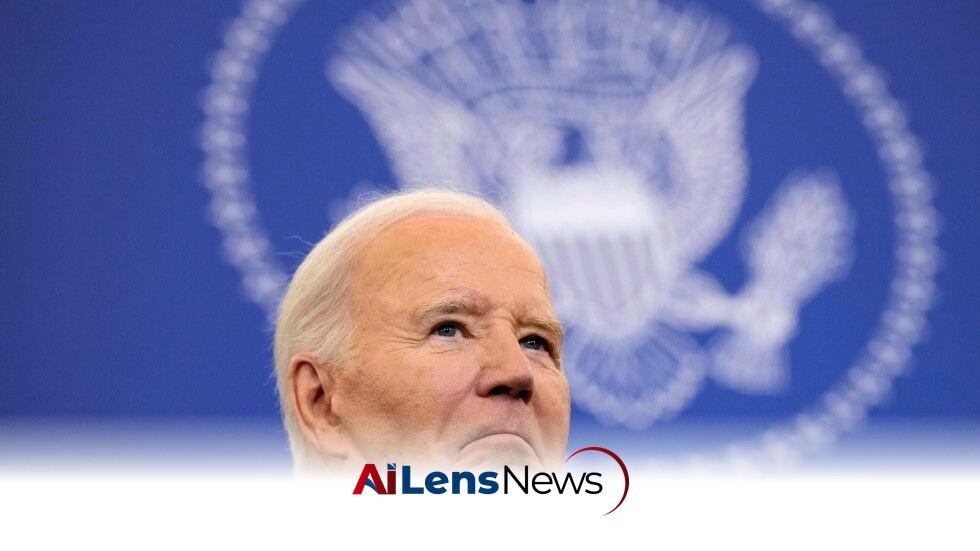


An appeals court has rejected President Biden's effort to prevent the release of audio recordings from his interviews with a memoir ghostwriter.
Washington DC, United States Jul 22, 2026 ALN: In a recent ruling, an appeals court has denied President Joe Biden's request to block the release of audio recordings of his interviews with a ghostwriter for his memoir. This decision has sparked discussions about transparency and the implications for public figures regarding their private conversations. The case underscores the delicate balance between a public figure's right to privacy and the public's right to access information that may shed light on their character and decision-making processes.
The recordings in question stem from Biden's collaboration with a ghostwriter as he prepared to write his memoir. The President's legal team argued that the release of these recordings could infringe on his privacy and potentially misrepresent his thoughts and intentions. Ghostwriting is a common practice among politicians, celebrities, and authors, allowing them to convey their stories through the help of professional writers. In Biden's case, the memoir is seen as a way to reflect on his long political career, personal experiences, and the challenges he has faced as a leader.
As the memoir was being developed, Biden's ghostwriter conducted a series of interviews to capture the essence of Biden's life and thoughts. These interviews were intended to provide a comprehensive understanding of Biden's perspectives, motivations, and experiences. However, the legal battle over the recordings raises questions about how much of this process should be considered private and how much should be accessible to the public.
The appeals court stated that the public interest in understanding the context of Biden's memoir outweighed his concerns for privacy. The ruling emphasized the importance of transparency for public figures, especially those in positions of power. The court argued that politicians, by virtue of their roles, have a heightened responsibility to be open about their thoughts and actions, as these can significantly impact the lives of their constituents.
In reaching its decision, the court likely considered precedents involving public figures and the release of private communications. Historically, courts have leaned towards favoring public access when the information pertains to the conduct of public officials and their accountability to the electorate. The ruling may set a precedent for how similar cases are handled in the future, particularly in an era where the public increasingly demands transparency from those in power.
This decision raises significant questions about the boundaries of privacy for politicians and public figures. As more recordings and documents are released, there is a growing concern about how they may be interpreted by the public and the media. The implications of this ruling extend beyond just Biden; it may affect how future public figures approach their personal communications and the documentation of their thoughts.
Public figures may now be more cautious about their private discussions, knowing that such conversations could potentially be made public. This could lead to a chilling effect where politicians might hesitate to speak candidly, fearing that their words could be taken out of context or used against them in the court of public opinion. On the other hand, advocates for transparency argue that this scrutiny is necessary for accountability and that public figures should be prepared to defend their positions and statements.
Reactions to the court's decision have been mixed. Supporters of transparency argue that the public has a right to know more about the individuals who hold power, particularly as they make decisions that affect millions. They contend that understanding a leader's thought process can provide valuable insights into their policies and governance style.
Conversely, critics warn that such releases could lead to misinterpretations and misrepresentations of private conversations. They argue that the nuances of personal discussions may not translate well in public discourse, potentially leading to sensationalism or unfair characterizations of a politician's views. This concern is amplified in today's media landscape, where soundbites and excerpts can dominate narratives, often stripping away the context necessary for a full understanding.
As the situation unfolds, it remains to be seen how the release of these recordings will affect Biden's public image and his memoir's reception. The President's team has not indicated whether they will pursue further legal action in response to the ruling. Should the recordings be released, they may provide insights into Biden's personal reflections, political philosophy, and the motivations behind his policies. However, they could also lead to controversy if any remarks are perceived as controversial or inconsistent with his public persona.
Furthermore, the implications of this ruling may prompt other public figures to reconsider how they engage in private discussions, particularly those that may later be subject to scrutiny. The balance between candid communication and the potential for public exposure will likely be a point of contention among politicians moving forward.
This case highlights the ongoing tension between privacy and transparency in politics. As more details emerge, it will be crucial to consider the implications for both public figures and the electorate. The ruling serves as a reminder of the evolving landscape of public accountability and the expectations placed upon those in power to share their thoughts and actions with the public. As society continues to grapple with these issues, the dialogue surrounding privacy rights and transparency will likely intensify, shaping the future of political communication.
Ghostwriting is not a new phenomenon in the political realm. Many prominent politicians have employed ghostwriters to help articulate their thoughts, policies, and personal narratives. This practice allows leaders to communicate their experiences and beliefs more effectively, often resulting in polished and impactful narratives. However, the reliance on ghostwriters also raises questions about authenticity and the true voice behind the words. In Biden's case, the memoir serves as a reflection of his decades-long career in politics, and the ghostwriter's role is to distill his experiences into a cohesive narrative. The challenge lies in ensuring that the final product authentically represents Biden's voice while also being accessible to a broader audience.
The push for transparency in political communications has grown stronger in recent years, fueled by a more engaged and informed electorate. With the advent of social media and instant communication, the public's appetite for authenticity and behind-the-scenes insights has increased. This cultural shift places additional pressure on public figures to maintain a level of openness that may not have been expected in previous generations. As a result, the dynamics of political communication are evolving, with public figures needing to navigate a complex landscape where their private thoughts may quickly become public fodder.
Legal precedents surrounding the privacy of public figures are continually evolving. Courts have historically leaned towards favoring public access when it comes to the conduct of public officials. This trend may influence future rulings related to the release of private communications, especially as the demand for transparency continues to grow. The implications of this ruling could extend beyond Biden, affecting how future politicians manage their communications and engage with ghostwriters. The legal landscape will likely adapt to reflect the changing expectations of the electorate, balancing the need for privacy with the public's right to information.
The intersection of privacy and transparency in political communication is a complex and evolving issue. As the appeals court ruling illustrates, the public's right to access information about their leaders is increasingly being prioritized over the privacy concerns of those in power. This case may set a precedent for how similar situations are handled in the future, potentially reshaping the expectations placed upon public figures regarding their personal communications. As society continues to navigate these challenges, the ongoing dialogue surrounding privacy rights and transparency will likely play a significant role in shaping the future of political communication.
To learn more about the latest developments in Politics, stay updated with our exclusive reports and analyses on AiLensNews.

