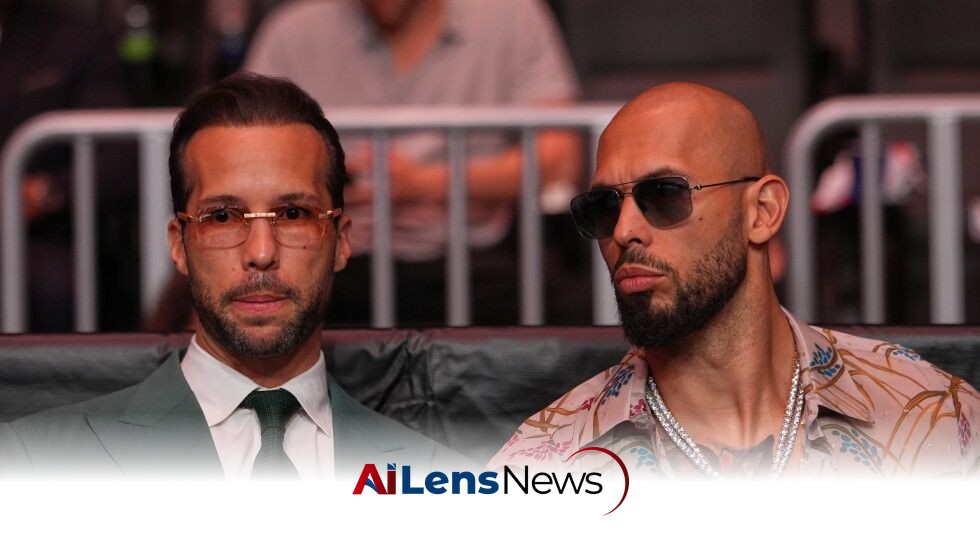


Influencer brothers Andrew and Tristan Tate were arrested in Miami as British authorities seek their extradition on serious charges, including rape and sex trafficking.
Washington DC, United States Jul 19, 2026 ALN: Influencer brothers Andrew and Tristan Tate, whose social media empire promoting wealth, male dominance, and misogyny has made them among the world’s most polarizing internet personalities, were arrested Saturday in Miami as British authorities sought their extradition on rape and sex trafficking charges.
The brothers were taken into custody by the U.S. Marshals Service on a sealed warrant, agency spokesperson Brady McCarron told The Associated Press, placing the United States at the center of an international legal saga that has stretched from Romania to Britain. This arrest not only underscores the serious nature of the allegations against them but also highlights the complexities of transnational law enforcement in the digital age.
British prosecutors announced Saturday that they were seeking the brothers’ extradition on charges alleging they raped and trafficked women between 2010 and 2017. This development follows a complex legal journey that has attracted widespread media attention and public scrutiny. The nature of the charges, involving serious criminal activities, raises significant questions about the influence and responsibilities of social media personalities who have substantial followings and impact on public discourse.
The dual U.S. and British citizens moved to Romania in 2016, ostensibly to escape the increasing scrutiny of their activities in the UK and to take advantage of less stringent laws regarding adult entertainment and online businesses. Their relocation to Romania has been interpreted by many as a tactical move to evade legal repercussions and exploit a more permissive regulatory environment for their controversial enterprises. They were arrested there in 2022, accused of participating in schemes to lure women for sexual exploitation. The Romanian authorities alleged that the brothers utilized a method known as 'lover boy' tactics, where they would form romantic relationships with women, only to manipulate and exploit them for financial gain. They denied those allegations, and the case didn’t go forward because of legal and procedural irregularities, which has led to further questions about the effectiveness of the legal system in addressing such serious allegations.
The pending charges in the United Kingdom accuse the brothers of abusing women in an area north of London, where they grew up. Their lawyers had stated that they denied the allegations, emphasizing that the brothers were being targeted due to their controversial public personas rather than any substantive evidence. This defense strategy reflects a broader trend among public figures who face allegations of misconduct, where they often claim to be victims of a biased media narrative.
Andrew Tate, 39, first reached a mainstream audience as a contestant on the U.K. reality television show “Big Brother” in 2016. His time on the show was cut short when a video surfaced that appeared to show Tate assaulting a woman, leading to public outrage and his subsequent removal from the program. This incident marked a turning point in his public image, shifting from a reality star to a contentious figure known for his provocative statements and lifestyle. His rise to infamy can be seen as emblematic of a larger trend in which reality television personalities leverage their notoriety into social media fame, often with little regard for the consequences of their statements and actions.
Both Andrew and Tristan Tate are vocal supporters of U.S. President Donald Trump, often aligning themselves with far-right ideologies that resonate with a significant portion of their online following. Their social media presence has been characterized by a mix of motivational content promoting wealth and success, alongside deeply controversial views on gender roles and relationships. This alignment with far-right ideologies has further polarized public opinion about them, as they have become symbols of a broader cultural clash over masculinity, power, and the role of women in society.
Andrew Tate has amassed over 10 million followers on X (formerly Twitter) but has been banned from platforms like YouTube, TikTok, and Instagram for violating hate speech guidelines. His most widely condemned rhetoric includes comments suggesting that women who are sexually assaulted should bear some responsibility for their attacks, graphic descriptions of how he might attack women, and criticisms of people who seek treatment for mental illness. Such statements have sparked outrage and have been cited as examples of toxic masculinity proliferating through social media. The implications of his statements extend beyond personal accountability, raising critical questions about the role of social media platforms in moderating harmful content and the potential impact of such rhetoric on young audiences.
The Tate brothers have consistently denied allegations of abuse and human trafficking, claiming that violent and misogynistic statements have been taken out of context or were intended as jokes. Their defense has often centered around the argument of free speech, asserting that their controversial comments are misinterpreted and that they have been unfairly vilified by media and social media platforms. This invocation of free speech rights highlights the ongoing debate about the limits of expression in the digital age and the responsibilities that come with influence, particularly when such influence can contribute to societal harm.
The legal implications of their arrest are significant, not only for the Tate brothers but also for the broader conversation surrounding online influencers and accountability. As social media continues to play a pivotal role in shaping public opinion and culture, the actions of high-profile figures like the Tates raise questions about the responsibilities that come with influence and the potential consequences of promoting harmful ideologies. The case could serve as a litmus test for how legal systems worldwide address similar allegations against influential figures, especially in an era where the lines between personal conduct and public persona are increasingly blurred.
The extradition process itself can be lengthy and complex, involving multiple legal systems and potential appeals. If extradited to the UK, the Tates could face a trial that may further delve into their past actions and public statements, potentially leading to greater scrutiny of their influence on young audiences. The case could also set a precedent for how allegations against social media influencers are handled in the future, particularly in terms of international law and cross-border legal cooperation. Such precedents could impact not only the Tates but also other influencers who may find themselves facing similar allegations, thereby shaping the future landscape of influencer accountability.
As the situation develops, public interest is likely to remain high, with many closely following the legal proceedings and their implications for both the Tates and the broader discourse on misogyny and accountability in the digital age. The arrest has sparked renewed discussions about the responsibility of social media platforms in moderating content and the impact of influencer culture on societal norms and behaviors. The scrutiny faced by the Tates may also inspire other influencers to reflect on their own conduct and the messages they promote, potentially leading to a reevaluation of what constitutes acceptable behavior in the realm of public influence.
In conclusion, the arrest of Andrew and Tristan Tate in Miami amid extradition requests from British authorities marks a significant moment in an ongoing legal saga that highlights the intersection of social media influence, legal accountability, and societal attitudes towards gender and power dynamics. As the case unfolds, it will undoubtedly continue to provoke debate and reflection on the role of public figures in shaping cultural narratives and the consequences of their actions. The outcome of this legal battle may not only affect the lives of the Tate brothers but could also reverberate through the influencer community, prompting a critical examination of the responsibilities that come with significant social media reach and the potential societal repercussions of their messaging.
To learn more about the latest developments in Crime & Law, stay updated with our exclusive reports and analyses on AiLensNews.

