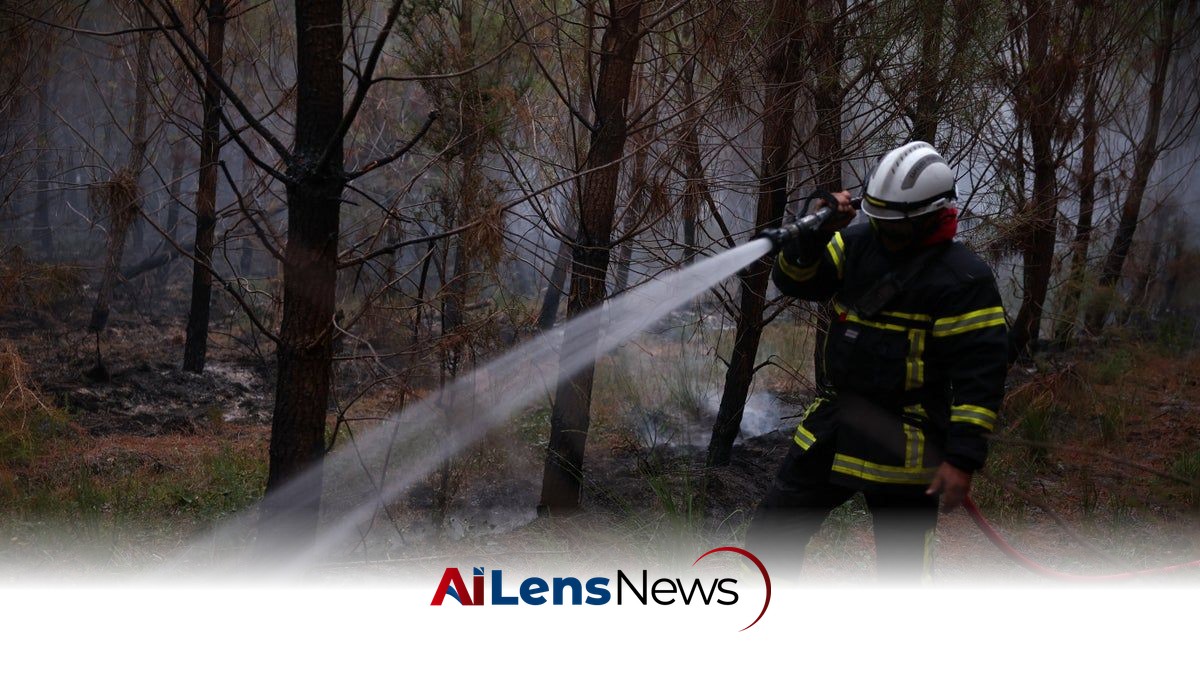


This morning's briefing highlights the proximity of wildfires to Bordeaux and an urgent NHS warning regarding health risks.
London, United Kingdom Jul 27, 2026 ALN: Wildfires are a recurring natural disaster that have increasingly threatened various regions around the world, and the current situation near Bordeaux, France, is a stark reminder of the dangers posed by these blazes. Reports indicate that wildfires are raging dangerously close to Bordeaux, just 15 kilometers away, prompting significant concern among local residents and authorities alike. The proximity of the fires raises alarms not only about the immediate threat to property and life but also about the longer-term implications for air quality and environmental stability.
Firefighters are currently engaged in tireless efforts to contain the flames, which have already affected nearby areas. These efforts are crucial not only for protecting homes and infrastructure but also for safeguarding the local ecosystem. The region surrounding Bordeaux, known for its vineyards and picturesque landscapes, is particularly vulnerable to the ravages of fire. Historically, wildfires can lead to devastating losses in agricultural output, which in the case of Bordeaux, could have significant economic repercussions given its reputation as a premier wine-producing region.
The impact of wildfires extends beyond immediate physical damage. The smoke generated by these fires poses a serious health risk, prompting the National Health Service (NHS) to issue a warning regarding the potential health risks associated with smoke inhalation. Vulnerable populations, including those with pre-existing respiratory conditions such as asthma, chronic obstructive pulmonary disease (COPD), and other lung-related ailments, are especially at risk. The NHS has advised these individuals to take necessary precautions, which may include staying indoors, using air purifiers, and wearing masks designed to filter out harmful particulate matter.
Air quality is often severely compromised during wildfire events due to the release of harmful pollutants into the atmosphere. Fine particulate matter, known as PM2.5, is a significant concern as it can penetrate deep into the lungs and even enter the bloodstream, leading to a range of health issues including cardiovascular problems, respiratory infections, and exacerbation of chronic diseases. The public is urged to remain vigilant about air quality reports and to heed local advisories regarding outdoor activities.
Authorities are closely monitoring the situation as the wildfires continue to pose a significant threat to both the environment and public health. The response to such disasters typically involves a coordinated effort among local, regional, and national agencies, including firefighting services, health organizations, and environmental protection agencies. This collaboration is essential for effective resource allocation, ensuring that firefighters have the necessary equipment and support, and that public health advisories are communicated clearly and promptly.
In addition to immediate firefighting efforts, the long-term implications of wildfires on climate change are becoming increasingly apparent. The frequency and intensity of wildfires are expected to rise due to climate change, which leads to hotter and drier conditions in many regions. This creates a feedback loop where wildfires contribute to climate change by releasing carbon dioxide and other greenhouse gases into the atmosphere, further exacerbating the conditions that lead to more wildfires.
The economic impact of wildfires cannot be overlooked. In regions like Bordeaux, where agriculture plays a vital role in the local economy, the destruction of crops and vineyards can lead to significant financial losses. The wine industry, which is a cornerstone of Bordeaux's identity, could face challenges not only from immediate fire damage but also from long-term changes in climate and soil quality. Additionally, the tourism sector, which thrives on the region's natural beauty and cultural heritage, may suffer as well, as visitors may be deterred by the risks associated with wildfires and the potential for poor air quality.
As the situation develops, it is crucial for residents and stakeholders to stay informed about the latest updates from local authorities and health officials. Community preparedness is key in mitigating the risks associated with wildfires. This includes having emergency plans in place, understanding evacuation routes, and being aware of the resources available for dealing with the aftermath of such disasters.
The economic ramifications of wildfires extend beyond immediate damage. The agricultural sector, particularly in Bordeaux, is intricately tied to the region's identity and economy. The wine industry, which is celebrated globally, relies heavily on stable weather patterns and healthy ecosystems. A significant disruption from wildfires could lead to a decline in wine production, affecting not only local vintners but also international markets that depend on Bordeaux wines. As vineyards are damaged, the long-term consequences could involve shifts in grape varieties cultivated, changes in land use, and potential losses in traditional winemaking practices.
Moreover, the tourism sector, which plays a critical role in the local economy, could face challenges as the region's natural beauty is marred by the scars of fire. Bordeaux attracts millions of tourists each year, drawn to its scenic vineyards, historic architecture, and cultural festivals. The perception of risk associated with wildfires may deter visitors, leading to a decline in tourism revenue. This could have a cascading effect on local businesses, from hotels and restaurants to shops and tour operators, all of which rely on a steady influx of tourists.
As residents grapple with the immediate impacts of the wildfires, they must also consider the long-term implications for their communities. The psychological toll of living in a fire-prone area can lead to increased anxiety and stress among residents, particularly those who have experienced previous evacuations or losses. Community cohesion and support systems become vital during such crises, as individuals come together to share resources and provide assistance to those in need.
In response to the rising threat of wildfires, many regions are exploring innovative solutions and strategies to mitigate risks. This includes investing in fire prevention measures, such as controlled burns and creating firebreaks, as well as enhancing emergency response capabilities. Public education campaigns aimed at raising awareness about the importance of fire safety and preparedness can empower residents to take proactive measures in protecting their homes and livelihoods.
In conclusion, the wildfires threatening Bordeaux serve as a critical reminder of the growing challenges posed by climate change and the need for comprehensive strategies to address these issues. As firefighting efforts continue and health warnings are issued, it is imperative for individuals and communities to take proactive steps to protect themselves and their environment. The coming days will be pivotal in determining the extent of the damage and the necessary recovery efforts that will follow. The situation underscores the importance of resilience, community engagement, and a proactive approach to disaster management in the face of an increasingly volatile climate.
To learn more about the latest developments in Crime & Law, stay updated with our exclusive reports and analyses on AiLensNews.

