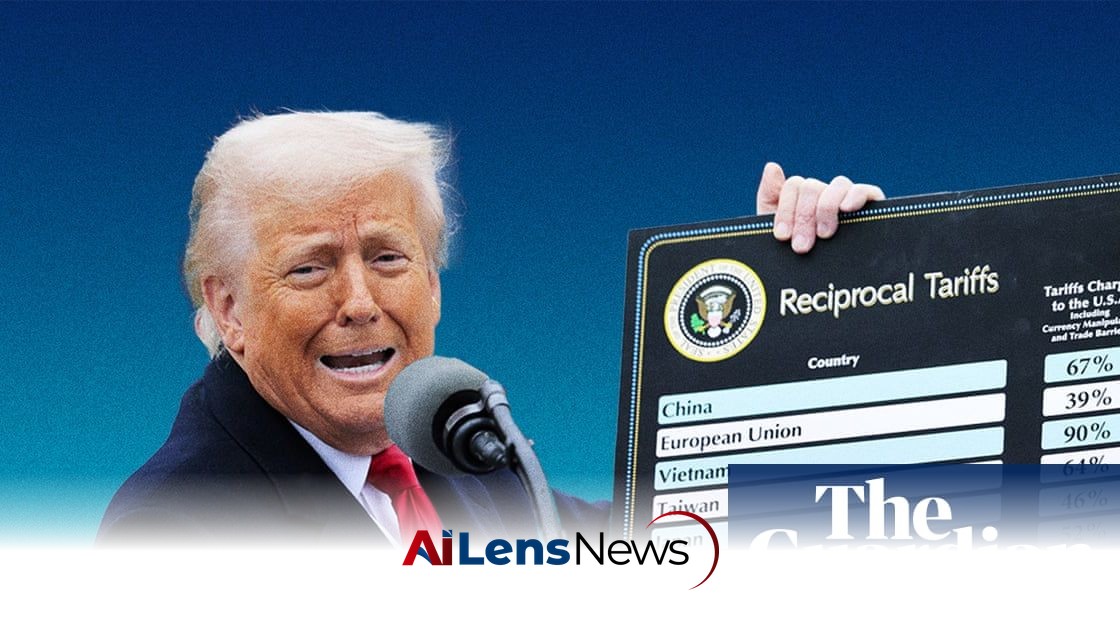


The US Supreme Court's ruling on Donald Trump's tariffs has led to an $81 billion payout to affected companies, marking a significant financial reversal for the government.
London, United Kingdom Jul 14, 2026 ALN: The US government is facing a substantial financial obligation following a Supreme Court ruling that deemed former President Donald Trump's tariffs illegal. This decision has resulted in the government being mandated to refund billions to companies adversely affected by what has been termed Trump's 'liberation day' tariffs.
According to recent reports, the total amount refunded this fiscal year has reached an astonishing $81 billion (£61 billion). This payout underscores the financial implications of the tariffs, which were initially introduced as part of an economic strategy aimed at protecting American industries.
In 2018, Trump implemented a series of tariffs on various imports, arguing that they were necessary to protect American jobs and industries from foreign competition. These tariffs were part of a broader trade policy that sought to renegotiate trade agreements and reduce the trade deficit with countries like China. The tariffs were particularly focused on sectors such as steel, aluminum, and a variety of consumer goods, with the intention of fostering domestic production and reducing reliance on foreign imports.
However, the tariffs faced immediate backlash from businesses and economists who argued that they would lead to increased costs for consumers and disrupt supply chains. Critics contended that the tariffs would ultimately hurt the very American workers they were intended to protect. Many companies, particularly those reliant on imported materials, reported increased costs that they were unable to pass on to consumers, leading to reduced profit margins and, in some cases, layoffs.
The Supreme Court's recent ruling has validated these concerns, declaring the tariffs illegal and mandating the government to reimburse affected companies. This ruling has significant implications, not only for the companies that were forced to pay the tariffs but also for the government's fiscal health. Legal experts suggest that this ruling may set a precedent for future trade policies and tariffs, emphasizing the need for such measures to be legally justified and economically sound. The court's decision has been hailed by some as a victory for free trade and a setback for protectionist policies.
Legal analysts have pointed out that the ruling may encourage businesses to challenge any future tariffs that they believe are unjust or improperly implemented. This could lead to a more cautious approach from the government in terms of imposing tariffs, as they may seek to avoid further legal challenges and the financial repercussions that come with them.
The financial impact of these refunds is profound. The US economy is already grappling with various challenges, including inflation and supply chain disruptions. The need to refund billions could strain government resources and impact future fiscal policies. The refunds could also have a ripple effect on various sectors of the economy, potentially leading to shifts in investment strategies and consumer behavior.
Reactions to the ruling have been mixed. Business leaders have expressed relief at the prospect of receiving refunds, viewing it as a necessary correction to what they considered an unjust policy. Many companies that were adversely affected by the tariffs have indicated that the refunds will help them recover financially and reinvest in their operations.
On the other hand, some policymakers argue that the ruling could undermine the government's ability to protect domestic industries. They express concern that the decision may deter future efforts to implement tariffs that could be beneficial in protecting American jobs and industries from unfair foreign competition. This has led to a broader debate about the balance between free trade and protectionism in the current economic climate.
Chris Michael, an international editor, emphasized the importance of this ruling in shaping future trade policies. He noted that while tariffs can serve as a tool for protecting domestic industries, they must be implemented within a legal framework that holds up to scrutiny. This legal precedent could lead to more rigorous evaluations of the economic impacts of tariffs before they are enacted.
The Supreme Court's decision to invalidate Trump's tariffs and mandate refunds represents a significant shift in US trade policy. As the government prepares to disburse billions in refunds, the broader implications for the economy and future trade practices remain to be seen. This ruling not only affects the companies involved but also sets a precedent for how tariffs will be viewed in the legal and economic landscape moving forward.
In the wake of this ruling, the government may need to reassess its trade strategies and consider more collaborative approaches that prioritize both domestic economic interests and international trade relations. The outcome of this situation could influence not only the current administration but also future administrations as they navigate the complex landscape of global trade.
To learn more about the latest developments in Economy, stay updated with our exclusive reports and analyses on AiLensNews.

