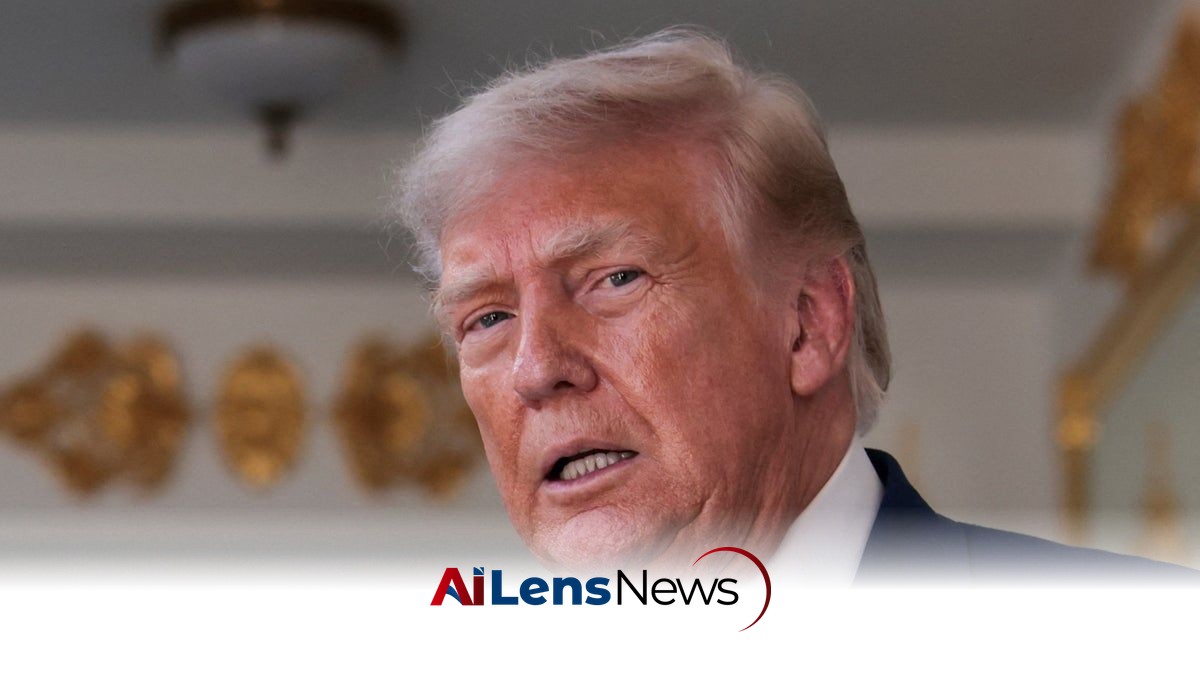


This morning's briefing covers Trump's new tariffs, updates on the Southport killer, and other major stories.
London, United Kingdom Jul 24, 2026 ALN: Here’s five of the biggest stories this morning:
The announcement of new tariffs by Donald Trump is particularly significant in the context of the ongoing discussions about trade policy in the United States. Tariffs have long been a contentious issue, with proponents arguing that they are necessary to protect American industries from unfair foreign competition, while opponents contend that they can lead to higher prices for consumers and strained international relations. The economic landscape is further complicated by the fact that many American companies rely on global supply chains, and tariffs can disrupt these networks, leading to unintended consequences.
In the case of the Southport killer's relocation, this action reflects the complexities of the criminal justice system and the challenges of managing high-profile cases. The Southport killings have raised questions about public safety, the treatment of violent offenders, and the effectiveness of rehabilitation programs. As communities grapple with the aftermath of such violent acts, the handling of offenders can become a focal point for public discourse, influencing policies related to incarceration and rehabilitation.
Market reactions to the announcement of tariffs will be closely monitored by economists and investors alike. Historically, tariffs have led to volatility in financial markets as businesses adjust to new cost structures. Analysts will be looking at various sectors to gauge how they are impacted, particularly industries that rely heavily on imports, such as electronics, automotive, and textiles. The potential for retaliatory measures from other countries could also lead to a tit-for-tat scenario, further complicating the trade landscape and impacting global economic stability.
The mixed public response to the tariffs underscores the complexity of economic policy and its far-reaching implications. While some sectors may benefit from increased protections, others may suffer from higher costs and reduced competitiveness. Community discussions and forums will be essential in addressing these concerns and finding a balance that promotes economic growth while protecting jobs.
In summary, the morning briefing highlights critical developments in trade policy and criminal justice, both of which have significant implications for the economy and society at large. As these stories unfold, they will continue to shape public discourse and influence policy decisions in the coming weeks and months. Stakeholders across the spectrum will be engaged in discussions about the best path forward, aiming to address the challenges posed by both the new tariffs and the handling of violent offenders in the justice system.
To provide further context, tariffs are taxes imposed on imported goods, and their primary purpose is to make imported products more expensive compared to domestic products. This is intended to encourage consumers to buy American-made products, thereby supporting local industries and jobs. However, the economic implications of tariffs are multifaceted. For instance, while they may protect certain jobs in manufacturing, they can also lead to job losses in sectors reliant on imports, such as retail and service industries. The overall effect of tariffs on the economy can vary significantly based on the specific goods targeted and the responsiveness of consumers and businesses to price changes.
In recent years, the United States has seen a significant rise in protectionist policies, particularly during Trump's presidency. The rationale behind these measures often centers on the belief that American workers and industries have been unfairly disadvantaged by global trade practices. Critics, however, warn that such policies can lead to trade wars, where countries retaliate against each other by imposing their own tariffs, ultimately harming consumers and slowing economic growth. The potential for escalating trade tensions is a critical consideration as stakeholders evaluate the long-term implications of Trump's proposed tariffs.
Turning to the Southport killer's situation, the relocation of the convicted individual is indicative of broader issues within the criminal justice system, particularly regarding how violent offenders are managed post-conviction. High-profile cases often attract significant media attention, which can complicate the reintegration of offenders into society. In this instance, the relocation may serve to mitigate potential risks associated with public backlash and ensure the safety of both the individual and the community. This incident raises important questions about the effectiveness of rehabilitation programs and the measures needed to ensure public safety while also addressing the needs of offenders.
As these events unfold, it will be crucial for community leaders, policymakers, and the public to engage in meaningful dialogue about the implications of both the tariffs and the handling of violent offenders. By fostering discussions that encompass diverse perspectives, stakeholders can work toward solutions that balance economic growth with social responsibility. The outcomes of these discussions may ultimately shape the future of trade policy and criminal justice reform in the United States, influencing how these critical issues are addressed in the years to come.
To learn more about the latest developments in Crime & Law, stay updated with our exclusive reports and analyses on AiLensNews.

