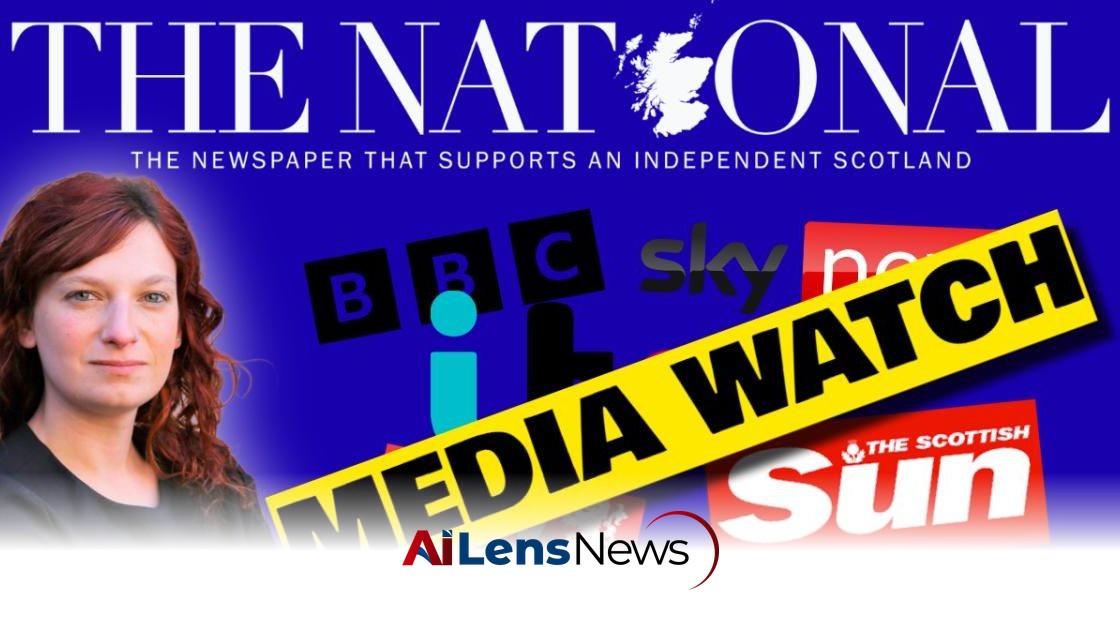


The National introduces its Media Watch podcast, hosted by Steph Brawn, to delve into UK media stories, starting with its inaugural episode today.
London, United Kingdom Jul 22, 2026 ALN: The National has been diligently monitoring the activities and narratives presented by the UK mainstream media through its Media Watch newsletter for two years. This initiative has allowed the organization to dissect and analyze media practices, providing insights into how news is reported and perceived by the public. Now, in a move to expand its reach and deepen its analysis, The National is launching a new Media Watch podcast, which is set to enrich the conversation surrounding UK media.
The first episode of the Media Watch podcast is scheduled to premiere today at 5 PM. This new format aims to engage listeners not only through audio but also by fostering a community dialogue around media issues. Each episode will feature presenter and newsletter author Steph Brawn, who will be joined by a fellow reporter to discuss a variety of media stories from the previous week. This collaborative approach is intended to provide a multi-faceted view of the media landscape, encouraging listeners to think critically about the information they consume.
In the inaugural episode, Steph Brawn is accompanied by political reporter Abbi Garton-Crosbie. Together, they delve into a significant topic that has stirred public debate: the BBC's controversial four-minute ad aired during the World Cup final. The ad has drawn criticism from various sectors, with concerns raised about whether such a promotional effort will effectively persuade viewers who are discontented with the BBC's services to continue paying the television licence fee. The licence fee, which funds the BBC, has been a contentious issue, particularly as some argue that the value of the service does not justify the cost, especially in an era where free content is widely available online.
The discussion surrounding the BBC's ad is not just about marketing; it touches on broader themes of public trust, accountability, and the role of state-funded media in a rapidly evolving digital landscape. As traditional media faces increasing competition from streaming services and social media platforms, the BBC’s strategies to retain its audience and maintain its funding have become a focal point of scrutiny. The BBC's funding model, which relies heavily on the licence fee, has been questioned by many who argue that it is outdated in the context of changing viewer habits and the availability of alternative content sources.
Furthermore, the podcast addresses the political climate in the UK, particularly following the arrival of Andy Burnham as the country’s seventh prime minister in the last decade. This transition of leadership is significant in a nation that has experienced considerable political upheaval in recent years, including Brexit and the ongoing debates about national identity and governance. Brawn and Garton-Crosbie critically examine the media's response to this political shift, specifically highlighting the discussions on the Laura Kuenssberg panel, which appeared to focus more on entertainment value rather than substantive political analysis. The panel's choice to debate Burnham’s potential performance on a reality television show, The Traitors, rather than pressing political issues, raises questions about the priorities of political journalism and the media's role in informing the public.
The media's portrayal of political figures and events is crucial in shaping public perception and discourse. In this context, the podcast also explores the media coverage of significant political events, such as when former Tory cabinet minister David Davis labeled Nicola Sturgeon a liar in the House of Commons. This incident not only ignited political tensions but also provided a rich case study for media analysis. The Scottish media's portrayal of this event is particularly noteworthy, as it reflects the complex dynamics between political figures and the press, as well as the varying narratives that emerge across different media outlets. Brawn and Garton-Crosbie offer their insights on how such statements are reported and the implications they have for public perception and political discourse. The incident exemplifies the power of media framing and how it can influence the interpretation of political events.
The launch of the Media Watch podcast represents a broader trend in media consumption, where audiences are increasingly seeking out in-depth analysis and commentary on current events. In a world inundated with information, many individuals are looking for platforms that provide context and critical examination of the news, rather than just headlines. The National's initiative to create a podcast aligns with this demand, offering listeners not only news updates but also a deeper understanding of the media's role in shaping public opinion and policy. This trend reflects a growing desire among audiences for transparency and accountability in media reporting, as well as a recognition of the complexities involved in the news-making process.
Listeners are encouraged to engage with the podcast by sharing their thoughts and opinions, fostering a sense of community around media literacy and awareness. This interactive element is crucial in today’s media landscape, where audience engagement can significantly influence the direction of media narratives and the accountability of journalists and media organizations. By inviting feedback and discussion, the Media Watch podcast aims to create a platform where listeners can actively participate in the discourse surrounding media practices and their implications.
As the Media Watch podcast unfolds, it is expected to cover a wide range of topics, from media ethics and the impact of social media on traditional journalism to the challenges faced by reporters in covering complex political landscapes. The discussions will likely reflect the evolving nature of media consumption and the challenges that come with it, such as misinformation, sensationalism, and the need for transparency in reporting. The podcast's format allows for a more nuanced exploration of these issues, providing listeners with insights that go beyond surface-level analysis.
The implications of this new podcast extend beyond just the immediate analysis of media stories. It invites listeners to consider their own media consumption habits and the importance of critically engaging with the information presented to them. In an age where the line between news and entertainment is increasingly blurred, initiatives like the Media Watch podcast aim to promote a more informed and discerning public. The podcast serves as a reminder that media literacy is essential in navigating the complexities of contemporary news consumption, encouraging audiences to question the sources and motivations behind the information they receive.
In conclusion, The National's Media Watch podcast represents a significant step in the ongoing conversation about media accountability, the role of journalism in democracy, and the importance of critical media consumption. As the podcast develops, it will undoubtedly contribute to the broader discourse on these vital issues, providing listeners with the tools to navigate the complex media landscape of the UK and beyond. By fostering a culture of critical engagement and dialogue, the Media Watch podcast aims to empower audiences to become more active participants in the media ecosystem, ultimately promoting a healthier and more informed public sphere.
To learn more about the latest developments in Crime & Law, stay updated with our exclusive reports and analyses on AiLensNews.

