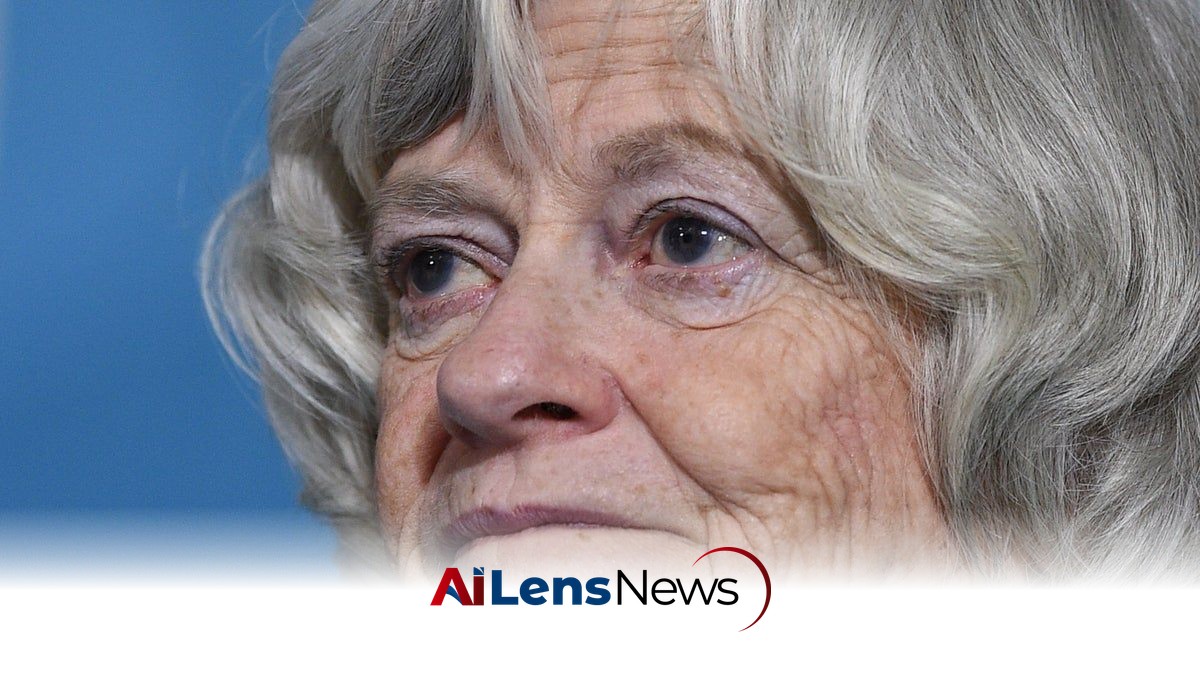


Authorities remain open-minded about the motive behind Ann Widdecombe's murder, following the arrest of a 28-year-old suspect in South Yorkshire.
London, United Kingdom Jul 13, 2026 ALN: The recent murder of veteran politician Ann Widdecombe has sent shockwaves through the political landscape of the United Kingdom, prompting an extensive police investigation and raising questions about safety for public figures. Widdecombe, a former Conservative Party minister and prominent figure in British politics, was found dead at her home in Dartmoor, Devon, at the age of 78. The circumstances surrounding her death remain unclear, and police have arrested a 28-year-old suspect in Rotherham, approximately 220 miles away from the crime scene.
According to Assistant Chief Constable Matt Longman of Devon and Cornwall Police, authorities are keeping an open mind regarding the motive behind the murder. As of now, there is no evidence to suggest that the killing was politically motivated or linked to terrorism. This is a crucial point as the context of Widdecombe's career and public life could lead to various interpretations of her murder's motive.
Ann Widdecombe was a well-known figure in British politics, having served as a Member of Parliament (MP) for many years. She was recognized for her strong opinions on various issues, including immigration, crime, and social welfare. Widdecombe was also known for her outspoken views on topics such as the European Union and same-sex marriage. Her political career spanned several decades, during which she became a prominent voice within the Conservative Party. Her death raises significant concerns about the safety of politicians, particularly given her history of public engagement and the controversial nature of some of her stances.
Police believe that Ms. Widdecombe was attacked on Wednesday around 12:30 PM, nearly 24 hours before her body was discovered. Newly released text exchanges indicate that she was in communication with a Channel 5 producer until just before her last known interactions, which raises questions about her state of mind and the events leading up to her death. The abrupt silence in her correspondence has led to increased speculation about the circumstances surrounding her murder.
Assistant Chief Constable Longman has urged the public and media to refrain from engaging in speculation about the motive behind the attack, emphasizing that such conjecture is not only unhelpful but also distressing for Widdecombe's family and friends. Speculation can often lead to misinformation and may hinder the investigation process, which is critical in a case of this nature.
In light of the tragedy, Reform UK leader Nigel Farage has expressed concerns regarding the safety of public figures, particularly in the current climate of political discourse in the UK. The uncertainty surrounding the motive of the attack has led to heightened security measures for senior members of the Reform party, with reports indicating that they are now under round-the-clock protection. This includes the party's eight members of parliament and its home affairs spokesperson, Zia Yusuf.
Yusuf has taken to social media to clarify that while there is an assessment being conducted by Scotland Yard regarding the security needs of Reform politicians, the government has not provided any protection. He criticized the government and relevant authorities for neglecting the security concerns raised by Reform MPs, highlighting a growing issue of safety for politicians in the UK.
The political climate in the UK has become increasingly polarized in recent years, and incidents of violence against politicians have raised alarm bells. The murders of Jo Cox in 2016 and Sir David Amess in 2021 serve as stark reminders of the potential dangers faced by public officials. Sir Chris Bryant, Labour’s trade minister, has spoken openly about receiving numerous death threats throughout his political career, underscoring the serious risks that politicians encounter in their roles.
In light of these events, the discourse surrounding political safety has intensified. Mr. Farage has stated that the Reform party's security teams are actively reviewing emails to identify any patterns of abuse directed at Ms. Widdecombe, although they have yet to find any conclusive evidence linking threats to her murder. This ongoing investigation into her death not only seeks justice for Widdecombe but also aims to address the broader implications for the safety of politicians in the UK.
Amid the investigation, an unnamed source close to Ms. Widdecombe's family has expressed discomfort with the involvement of political figures in the aftermath of her death. The family reportedly does not want her death to be politicized, emphasizing the need for respect and privacy during this difficult time. This sentiment reflects a common concern among families of public figures who may feel their loved ones' tragedies are often co-opted for political gain.
As the investigation continues, police have stated that there is still much work to be done. They have confirmed the arrest of the 28-year-old man in Rotherham, following the earlier release of a 26-year-old who had been arrested on suspicion of murder in Newton Abbot. The police have received over 120 pieces of information from the public, which they are reviewing to aid the investigation. Longman has encouraged anyone with information to come forward, highlighting the community's role in assisting law enforcement.
In conclusion, the murder of Ann Widdecombe has sparked a significant investigation and reignited discussions about the safety of politicians in the UK. With the police keeping an open mind regarding the motive and the community rallying to provide information, the implications of this case extend beyond the immediate tragedy. It raises critical questions about political discourse, public safety, and the responsibilities of authorities to protect those in public life. As the investigation unfolds, the focus remains on finding justice for Widdecombe while navigating the complex emotional and political landscape that surrounds her untimely death.
Widdecombe's death also serves as a reminder of the historical context in which political violence has occurred in the UK. The increasing hostility towards politicians, particularly those with strong opinions, can be traced back through various political movements and events. The rise of social media has amplified this hostility, allowing for the rapid spread of misinformation and vitriol, which can create an environment where threats to personal safety become more prevalent.
Moreover, the implications of this case may extend beyond the immediate investigation into Widdecombe's death. It raises broader questions about how society views political discourse and the treatment of public figures. The normalization of aggressive rhetoric in political discussions can contribute to a culture where violence is seen as an acceptable response to disagreement. This is a troubling trend that requires urgent attention from both political leaders and the public.
In addition, the response from law enforcement and government officials will be closely scrutinized in the coming weeks. There may be calls for increased security measures for politicians, particularly those who have faced threats or have been outspoken on contentious issues. The balance between ensuring public safety and preserving the fundamental democratic principles of free speech and open debate will be a delicate one to navigate.
As the investigation progresses, it will be essential for authorities to maintain transparency with the public to rebuild trust and ensure that fears regarding political safety are addressed. The community's involvement, as evidenced by the numerous tips received by the police, highlights the importance of collective responsibility in safeguarding public figures who serve the interests of the nation.
Ultimately, the death of Ann Widdecombe is not just a tragic loss of a prominent political figure; it is a moment that calls for reflection on the state of political discourse, the safety of public officials, and the societal values that underpin democratic engagement. As the UK grapples with these issues, the hope remains that lessons will be learned, and meaningful changes will be implemented to protect those who dedicate their lives to public service.
To learn more about the latest developments in Crime & Law, stay updated with our exclusive reports and analyses on AiLensNews.

