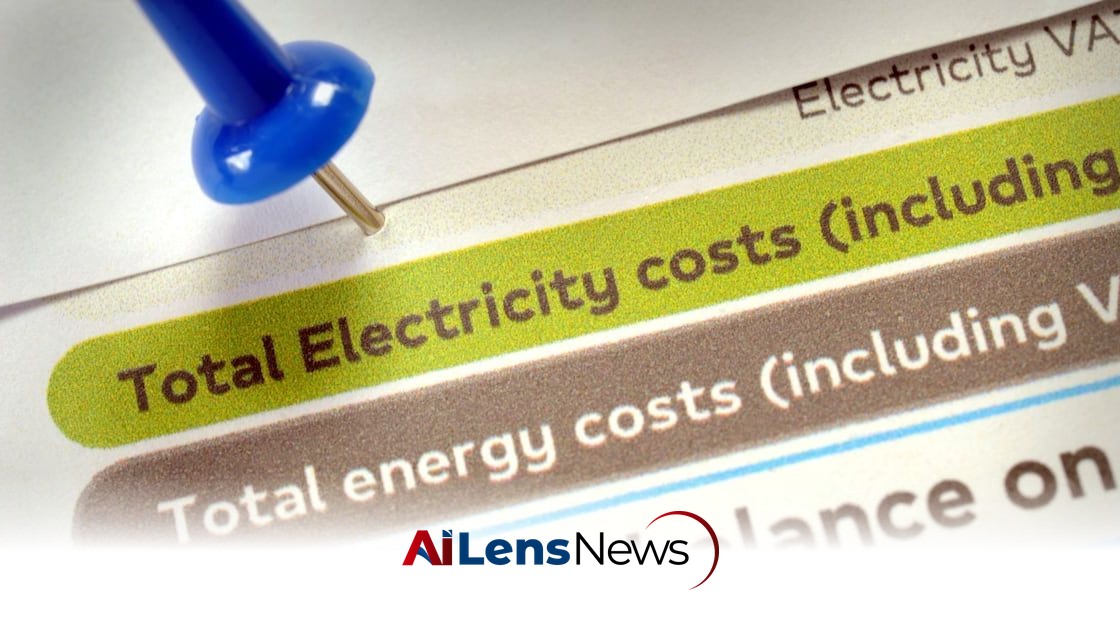


Over 855,000 households in Northern Ireland will not benefit from the VAT cut on electricity bills until EU approval is secured, leaving them in uncertainty.
London, United Kingdom Jul 21, 2026 ALN: Some 855,000 households in Northern Ireland are currently facing uncertainty regarding the potential benefits of a recent decision by Prime Minister Andy Burnham to remove VAT from electricity bills starting in October. This policy change is anticipated to reduce the average household's annual electricity bill by approximately £45, based on the current price cap set by the Office of Gas and Electricity Markets (Ofgem) in Great Britain. However, the distinct regulatory and market framework that governs electricity in Northern Ireland means that these households may not experience immediate advantages from this VAT cut.
The electricity market in Northern Ireland operates under a unique set of rules and regulations separate from those in Great Britain. This divergence is largely due to Northern Ireland's specific arrangements regarding energy pricing, regulation, and infrastructure, which are influenced by both domestic and international policies. As a result, while the VAT cut is designed to provide relief to consumers in Great Britain, its implementation in Northern Ireland is complicated by ongoing regulatory issues stemming from the region's status following the UK's exit from the European Union.
Under the terms of the Brexit agreement, Northern Ireland remains subject to certain EU VAT rules, which has created a complicated situation regarding the application of VAT on various goods and services. The Windsor Framework, a post-Brexit agreement aimed at addressing trade and regulatory issues between Northern Ireland and the rest of the UK, was intended to allow for more flexibility in setting VAT rates on goods that do not pose a risk of entering the EU single market. While this framework has provided some clarity, it has not resolved all outstanding issues, particularly concerning the VAT treatment of electricity in Northern Ireland.
This means that Northern Ireland cannot directly implement the VAT reduction announced for Great Britain until there is an agreement with the EU on how these rates will be managed. Consequently, households in Northern Ireland will have to wait for further developments before they can reap the benefits of the VAT cut. In the interim, the UK Government has committed to providing equivalent funding to the Stormont Executive, enabling them to offer comparable support to households in Northern Ireland. However, the effectiveness and timeliness of this funding have been called into question, especially given previous delays in similar assistance programs.
For example, a payment of £100 was promised to around 300,000 households that have been significantly affected by rising home heating oil prices earlier this year. However, this payment has yet to be finalized, with reports suggesting that complications in identifying eligible households have contributed to the delays. This situation highlights the complexities involved in administering financial support to households in Northern Ireland, especially in a context where the energy market is already under strain due to external factors such as global energy prices and local supply issues.
In addition to the potential VAT cut, every household in Northern Ireland is set to receive an automatic discount of £30 on their electricity bill for the next three years, beginning in September. This discount, which is part of a broader initiative to alleviate financial pressures on consumers, will be funded by £81 million allocated from the UK Treasury. The implementation of this discount will be facilitated through electricity suppliers, with the money being credited to the accounts of direct debit customers or added directly to the keycards of pay-as-you-go customers. This measure is designed to provide immediate relief to households facing rising energy costs.
The £30 discount is a universal measure, meaning it will be available to all households regardless of their income level, and it is not subject to means-testing. This approach reflects a growing recognition of the need for broad-based support mechanisms in times of economic uncertainty, particularly as households grapple with the ongoing impact of inflation and rising living costs. However, the effectiveness of such measures will ultimately depend on their timely implementation and the extent to which they can offset the rising costs of energy and other essential goods.
The situation in Northern Ireland underscores the broader challenges faced by governments in managing energy policy in a post-Brexit landscape. As the UK navigates its relationship with the EU and seeks to establish its own regulatory frameworks, the complexities of Northern Ireland's unique circumstances continue to pose significant challenges. The need for clear communication and efficient administration of support measures will be critical in ensuring that households receive the assistance they need during this tumultuous period.
Looking ahead, the implications of these developments extend beyond immediate financial relief for households. The ongoing uncertainty surrounding VAT rates and energy pricing in Northern Ireland raises questions about the long-term stability and sustainability of the region's electricity market. Stakeholders, including policymakers, regulators, and energy providers, will need to work collaboratively to address these challenges and ensure that Northern Ireland's energy framework is equipped to respond to future market dynamics.
As households await further clarity on the VAT cut and the associated funding arrangements, it is essential to remain vigilant regarding the evolving landscape of energy policy in Northern Ireland. The decisions made in the coming months will have lasting effects on the region's economic resilience and the well-being of its residents, making it imperative that all parties involved prioritize effective communication and timely action to support those in need.
The complexities of the energy market in Northern Ireland are further exacerbated by the historical context of the region's energy infrastructure, which has been shaped by decades of political and economic challenges. The transition to a more sustainable and resilient energy system is not only a matter of regulatory compliance but also of ensuring that the unique needs of Northern Ireland's population are met. As the government considers the implications of the VAT cut and other support measures, it must also address the underlying issues that contribute to energy poverty and market instability.
Moreover, the situation raises fundamental questions about the governance of Northern Ireland's energy policy. The interplay between local and national authorities, especially in the context of post-Brexit realities, necessitates a collaborative approach to energy regulation and support. This collaboration is essential to foster a stable energy market that can adapt to both local needs and broader economic pressures.
In conclusion, while the VAT cut on electricity bills represents a potential relief for many households, the unique circumstances in Northern Ireland present challenges that must be navigated carefully. The region's energy market is at a crossroads, and the decisions made by policymakers will play a crucial role in shaping its future. As households await clarity on the VAT cut and associated funding, the focus must remain on ensuring that support measures are effectively implemented and that the long-term stability of Northern Ireland's electricity market is secured.
To learn more about the latest developments in Economy, stay updated with our exclusive reports and analyses on AiLensNews.

