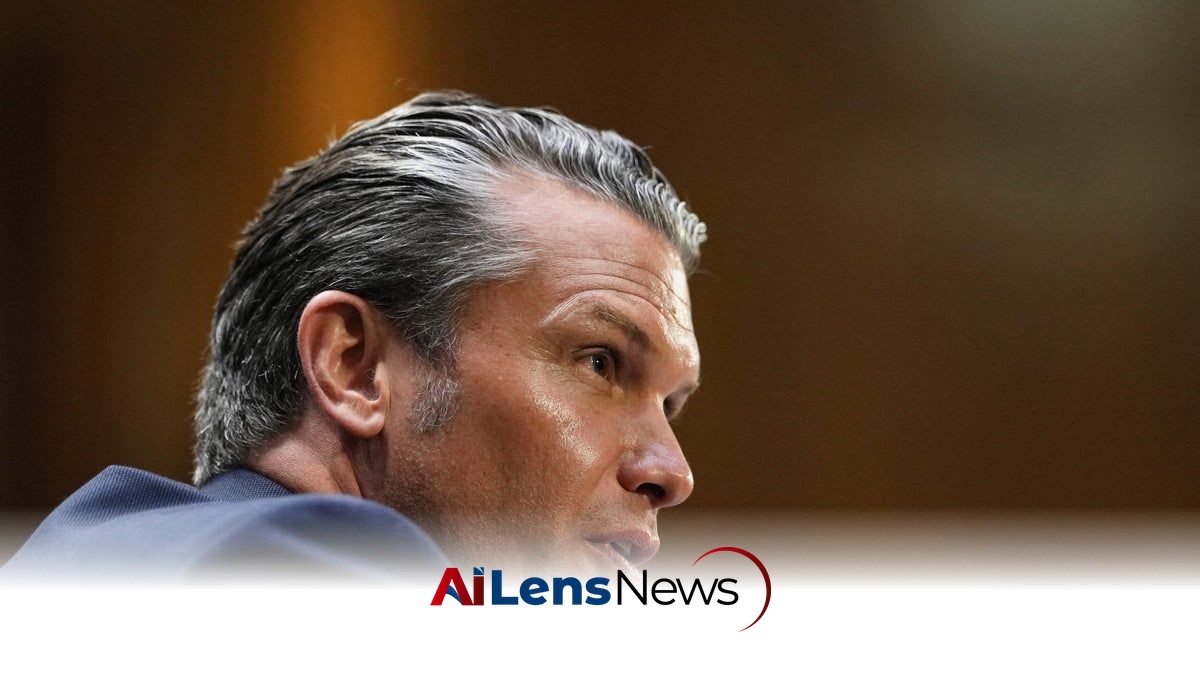


Military chaplains are voicing fears of retaliation due to ideological differences with prominent figures like Hegseth, raising concerns about the impact on their roles.
London, United Kingdom Jul 23, 2026 ALN: In recent years, the United States military has witnessed a growing climate of ideological division, which has raised significant concerns among military chaplains regarding their professional safety and the integrity of their roles. Chaplains, who serve as spiritual leaders and counselors for service members, are increasingly vocal about their fears of potential retaliation stemming from their beliefs and values. This situation has been exacerbated by the influence of high-profile public figures, such as Pete Hegseth, whose controversial views have sparked worries among chaplains about their ability to serve effectively in a polarized environment.
Concerns Over Professional Safety
Military chaplains are tasked with providing spiritual support and guidance to service members from diverse backgrounds and belief systems. Traditionally, they have been seen as a source of comfort and counsel during challenging times, offering a listening ear and spiritual direction. However, the ideological rifts that have emerged within the military community pose a dilemma for many chaplains. They find themselves in a precarious position where their personal beliefs may conflict with the prevailing narratives promoted by influential voices in the military and society at large.
One of the primary concerns expressed by chaplains is the fear of professional repercussions if they openly share their beliefs. Many worry that expressing their views could lead to ostracism, diminished opportunities for advancement, or even dismissal from their positions. This fear is not unfounded; there have been instances in which military personnel have faced consequences for expressing beliefs that diverge from the dominant culture or political climate within the ranks. The potential for retaliation creates an environment of self-censorship, where chaplains may feel compelled to suppress their convictions to protect their careers.
The military, as a microcosm of American society, reflects the broader ideological divides that have become increasingly pronounced in recent years. Issues such as race, gender, and political affiliation have become flashpoints for conflict, and chaplains, who are often seen as moral and ethical guides, find themselves navigating these turbulent waters. The challenge is compounded by a military culture that has historically emphasized conformity and unity, leading to an environment where dissenting views may be met with hostility.
Impact on Spiritual Guidance
The ideological rift not only affects chaplains personally but also raises profound questions about the quality of spiritual guidance provided to service members. When chaplains feel pressured to conceal their beliefs, it can hinder their ability to connect authentically with those they serve. Authenticity is a cornerstone of effective spiritual guidance; service members often seek counsel from chaplains who can relate to their experiences and understand their struggles. If chaplains are unable to express their true selves, the quality of support they provide may suffer, ultimately impacting the spiritual well-being of service members.
This situation poses a significant challenge to the military’s commitment to supporting the holistic well-being of its personnel. The military has long recognized the importance of mental, emotional, and spiritual health in maintaining readiness and resilience among service members. However, if chaplains are unable to fulfill their roles effectively due to ideological tensions, it could lead to a decline in morale and overall well-being within the ranks. The potential fallout from this situation is not merely theoretical; it could manifest in increased mental health issues among service members, reduced effectiveness in combat, and a broader erosion of trust in military leadership.
Calls for Dialogue and Understanding
In light of these concerns, there have been increasing calls for open dialogue within military ranks to foster understanding and respect for diverse beliefs. Chaplains and other military leaders advocate for an environment where differing ideologies can coexist without fear of retaliation. This approach would not only benefit chaplains but also enrich the military culture by promoting an atmosphere of inclusivity and respect.
Creating such an environment requires a concerted effort from military leadership to establish policies and practices that protect the rights of chaplains and encourage open dialogue. Training programs that emphasize the value of diversity and the importance of respectful communication can help bridge the ideological divides. Furthermore, fostering relationships between chaplains of different faiths and backgrounds can facilitate greater understanding and collaboration. This might include interfaith dialogues, workshops on conflict resolution, and mentorship programs that pair experienced chaplains with those new to the field.
Additionally, military leadership can play a crucial role in modeling inclusive behavior. By publicly supporting the rights of chaplains to express their beliefs and encouraging respectful discourse, leaders can help mitigate fears of retaliation and create a culture where diverse perspectives are valued. This is particularly important given the hierarchical nature of the military, where the actions and words of superiors can significantly influence the behavior of subordinates.
Conclusion
The fears expressed by military chaplains highlight a critical issue within the armed forces—balancing ideological diversity with the need for unity and support. As the military navigates these complex dynamics, it is essential to ensure that all service members, including chaplains, can express their beliefs freely without fear of retribution. Addressing these concerns is not only vital for the well-being of chaplains but also for the overall health of the military community. By fostering an environment of respect and understanding, the armed forces can better support the spiritual needs of service members, ultimately enhancing their readiness and resilience in the face of challenges.
The implications of this ideological division extend beyond individual chaplains; they resonate throughout the military as a whole. As the armed forces continue to grapple with issues of diversity, equity, and inclusion, the experiences and voices of chaplains will be crucial in shaping the future of military culture. Ensuring that chaplains can serve effectively while remaining true to their convictions will be essential in maintaining the integrity and support systems that are foundational to the military's mission.
Moreover, the broader societal implications of this situation cannot be overlooked. The military often serves as a reflection of national values and conflicts; thus, how it addresses the challenges faced by chaplains may influence public perceptions of the armed forces. A military that fosters an environment of open dialogue and respect for diverse beliefs may enhance its reputation as an institution that values the contributions of all its members, regardless of their ideological leanings. In contrast, a military perceived as intolerant or punitive toward differing beliefs may face challenges in recruitment, retention, and overall morale.
Ultimately, the ability of military chaplains to navigate their roles in a polarized environment will play a significant role in shaping the future of spiritual care within the armed forces. As the military continues to evolve, the voices of chaplains will be essential in ensuring that all service members have access to the support they need, fostering a culture of resilience and understanding in the face of adversity.
To learn more about the latest developments in Politics, stay updated with our exclusive reports and analyses on AiLensNews.

