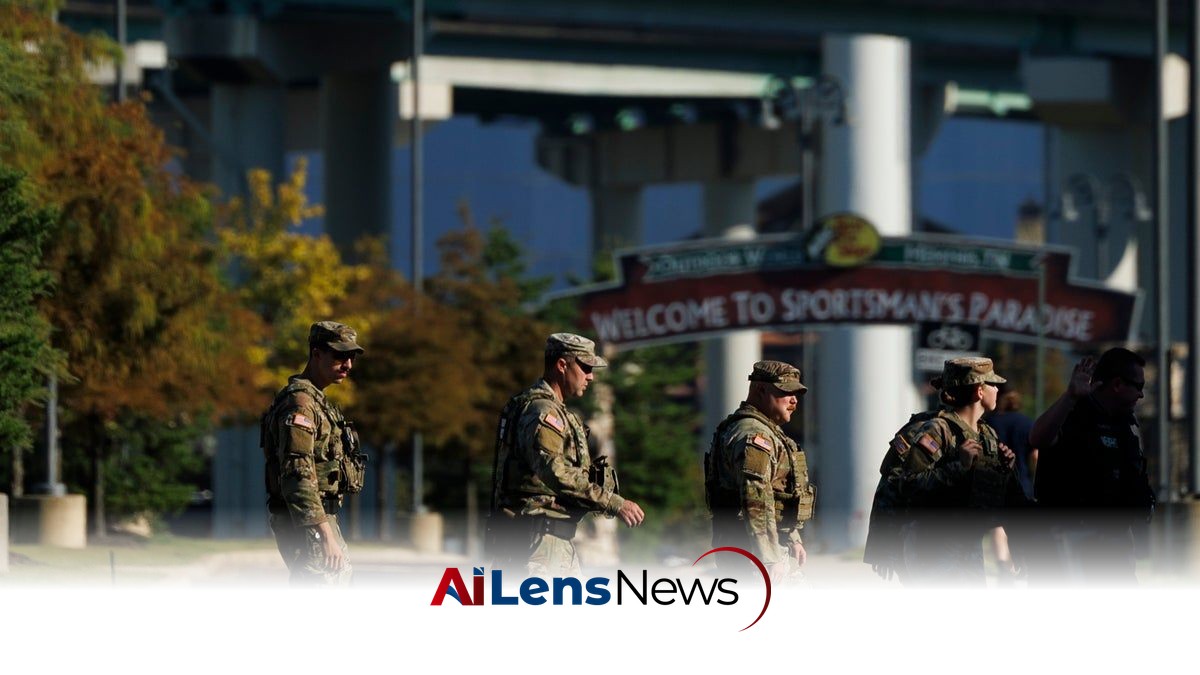


Miles Tamboli, owner of Tamboli's Pasta & Pizza, defends his decision to refuse service to National Guard members, citing safety concerns in Memphis.
London, United Kingdom Jul 18, 2026 ALN: A Memphis restaurant owner has publicly defended his decision to refuse service to four uniformed members of the Memphis Safe Task Force, stating that the federal task force has made the city "harder to live in" and "less safe." Miles Tamboli, who owns Tamboli's Pasta & Pizza, has faced backlash from some community members following the incident.
Despite receiving "harassing calls" and "fake reservations" as a result of his actions, Tamboli expressed no regrets, emphasizing his commitment to oppose the military presence in policing local streets. "On Saturday night we declined to serve four uniformed members of the Memphis Safe Task Force, and I stand behind that decision completely," he stated in a recent interview.
Tamboli elaborated, saying, "I love this country and I love this city, and that is exactly why I made this call. I want Memphis to be safe…. What the Task Force has actually done is make this city harder to live in." He pointed out that records show the majority of arrests made by the task force stemmed from routine traffic stops rather than violent crime, creating a climate of fear among residents.
His protest comes in light of several violent incidents involving the Memphis Safe Task Force, which was established by President Donald Trump in September 2025 as a joint state and federal operation aimed at reducing crime in the city. The task force comprises approximately 350 federal agents and 1,450 members of the Tennessee National Guard, according to reports. This significant military presence has raised concerns among some community members about the implications of such a force on civil liberties and community-police relations.
In recent months, the task force has been involved in multiple fatal shootings, including the deaths of 25-year-old Jonah Neal during a mental health crisis and 41-year-old Darrin Pigram while serving an arrest warrant. Earlier this month, National Guard soldiers fatally shot 20-year-old Tyrin Johnson during a foot pursuit. These incidents have sparked protests and calls for accountability, further complicating the narrative surrounding the task force's operations.
Tamboli criticized the task force's approach, stating, "None of that makes us safer. It makes us less safe, and it does the most damage to the people who were already struggling." He noted that Memphis has one of the highest crime rates per capita in recent years, although there was a reported decrease in crime rates between 2024 and 2025. This contradiction has led to debates on the effectiveness of heavy-handed policing strategies versus community-based approaches to crime prevention.
The Memphis Safe Task Force was part of a broader trend seen in various U.S. cities where federal and state resources are mobilized to address rising crime rates. While proponents argue that such measures are necessary to restore order and safety, critics like Tamboli contend that they often exacerbate tensions between law enforcement and communities, particularly those already marginalized.
In response to the ongoing violence, Tamboli and several other business owners have made a public commitment to oppose military policing in their communities. He argued that true safety comes from understanding what genuinely protects a community, which he believes is not the presence of soldiers trained for combat acting as police officers. This perspective aligns with a growing movement advocating for community-led safety initiatives that prioritize de-escalation, mental health resources, and social services over militarized policing.
"The founders wrote their objection to standing armies among the people into the Declaration of Independence itself, because they understood that a free country does not let the military police its own citizens," he added, reiterating his stance against the military's role in local law enforcement. This historical reference underscores the long-standing American debate about the proper role of military forces in civilian life and the balance between security and liberty.
As the debate continues, the community remains divided over the presence of the Memphis Safe Task Force and its impact on public safety. Supporters of the task force argue that it is a necessary response to the crime crisis, while detractors point to the negative consequences of military-style policing, including community distrust and fear. This division reflects broader national conversations about policing practices, civil rights, and the role of government in ensuring public safety.
The implications of Tamboli's actions and the community's response to the Memphis Safe Task Force extend beyond local boundaries. They resonate with ongoing national discussions about police reform, the militarization of law enforcement, and the urgent need for systemic changes to address the root causes of crime. As cities grapple with these issues, the experiences of individuals like Tamboli may help shape future policy decisions and community relations with law enforcement.
In conclusion, the situation in Memphis serves as a microcosm of a larger national conversation about policing, community safety, and the role of government in addressing crime. As residents and business owners like Miles Tamboli take a stand, the outcomes of these debates will likely influence not only local policies but also broader trends in law enforcement across the United States.
The Memphis Safe Task Force was created amid rising concerns about crime rates in urban centers across the U.S. Many cities have witnessed an uptick in violent crime, prompting local and federal authorities to collaborate in efforts to restore order. However, the effectiveness of such collaborations has been met with skepticism, particularly in communities that have historically experienced strained relations with law enforcement.
Critics of the task force, including Tamboli, argue that the militarization of police forces can lead to an escalation of violence rather than a reduction in crime. The presence of armed military personnel on the streets can create an atmosphere of fear, leading to a breakdown of trust between law enforcement and the communities they are meant to protect. This sentiment is echoed in various studies that suggest community-based policing strategies, which emphasize collaboration and communication between police and residents, are more effective in fostering public safety.
Moreover, the recent incidents involving fatal shootings by task force members have reignited discussions about the accountability of law enforcement agencies. Calls for transparency and oversight have become more pronounced as communities demand answers regarding the use of force and the decision-making processes that lead to such tragic outcomes. The need for comprehensive training for law enforcement officers, particularly in dealing with mental health crises, has also been highlighted as a critical area for reform.
As the Memphis Safe Task Force continues its operations, the community's response remains a vital aspect of the ongoing dialogue about public safety and policing. Business owners like Tamboli are not only voicing their concerns but are also taking a stand that reflects a broader movement advocating for community-led initiatives. This push for change resonates with many who believe that safety should be rooted in community engagement and support rather than in militarized responses to crime.
In this context, the actions of individuals like Tamboli may serve as a catalyst for further discussions on how best to achieve safety and security in urban environments. As Memphis grapples with these challenges, the outcomes of these debates will likely have lasting implications for law enforcement practices and community relations nationally.
To learn more about the latest developments in Crime & Law, stay updated with our exclusive reports and analyses on AiLensNews.

