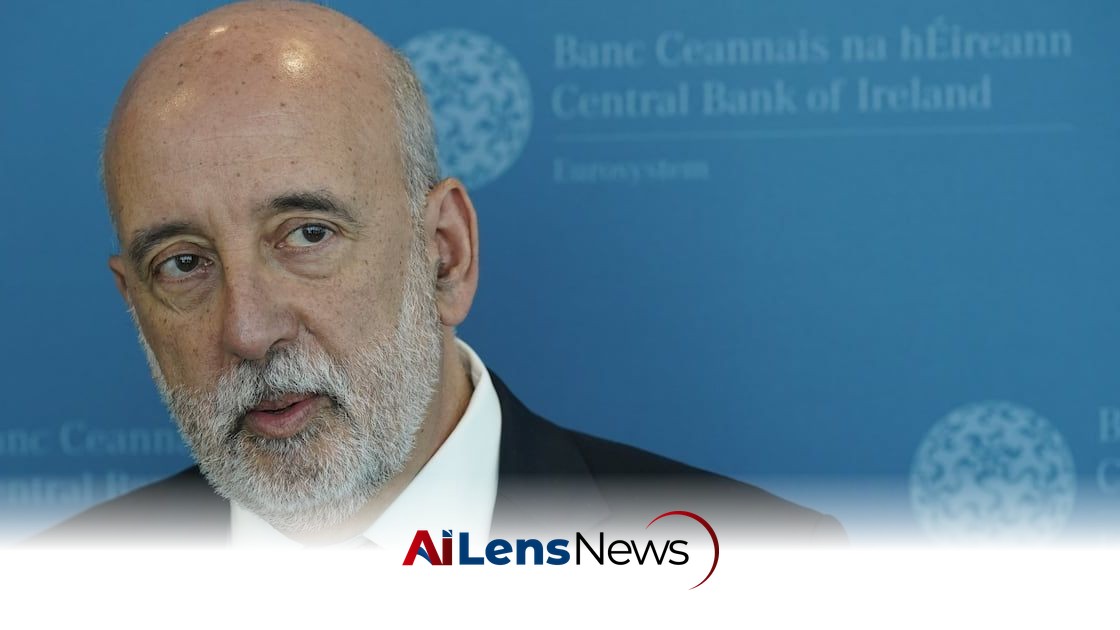


The Central Bank of Ireland's Governor expressed concerns over Israel's choice of Ireland as the home state for its bonds, highlighting regulatory challenges and public backlash.
London, United Kingdom Jul 16, 2026 ALN: The Central Bank of Ireland, under the leadership of Governor Gabriel Makhlouf, has recently come under scrutiny due to Israel's decision to designate Ireland as the home state for its bonds within the European Union. This designation has raised eyebrows, with Makhlouf describing the situation as "sort of bizarre," particularly because these bonds are not actively marketed or sold in Ireland. The complexities surrounding this arrangement highlight the intricate relationship between finance, international law, and geopolitical considerations.
Israel bonds, officially known as Development Bonds, have historically been promoted as a means to support the Israeli economy. They are often marketed to investors as a way to contribute to the development of the state of Israel, funding various projects that range from infrastructure to social services. However, there is a growing concern among critics that these bonds also play a role in financing military operations, particularly those that have garnered international condemnation due to their impact on Palestinian civilians in Gaza.
Makhlouf's comments come in the wake of increasing pressure on the Central Bank to reassess its involvement with Israel bonds, especially given the ongoing humanitarian crisis in Gaza. The Central Bank of Ireland has previously faced criticism for its role in approving the securities under EU regulations, which requires compliance with standards of completeness, consistency, and comprehensibility in prospectuses. Critics, including protesters and opposition politicians, argue that the Central Bank's endorsement of these bonds implicates it in broader issues of human rights violations and alleged genocide against the Palestinian people.
During a recent session with the Oireachtas Finance Committee, Makhlouf assured members that the Central Bank is committed to adhering to international law in its handling of Israel bonds. He emphasized that any changes to the current arrangement would necessitate updates to EU regulations. This reflects a broader concern within the EU regarding the ethical implications of financial instruments that may support contentious military actions.
The issue of Israel bonds has become particularly contentious in the context of ongoing protests and calls for divestment from companies and entities that support the Israeli government. The Ireland-Palestine Solidarity Campaign has been vocal in its opposition, organizing protests outside Leinster House, where they accuse the Central Bank of "off-shoring" its responsibilities by allowing the approval process for these bonds to take place outside of Ireland. Activists are urging the Central Bank to withdraw from any involvement in the approval of these securities, reflecting a growing movement within Ireland advocating for Palestinian rights.
In his testimony, Makhlouf acknowledged the dire humanitarian situation in Gaza, describing it as "awful and horrific and appalling." While he expressed empathy for the plight of those affected, he also clarified the legal definitions surrounding genocide, noting that such determinations fall under the jurisdiction of the International Court of Justice. This legal framing is critical, as it underscores the complexities of accountability in international law and the challenges faced by financial institutions when navigating geopolitical issues.
As the Central Bank prepares for the potential renewal of Israel bonds in September, Makhlouf outlined four possible scenarios that could unfold. One option is that Israel may choose not to issue any more bonds, which would eliminate the need for the Central Bank's involvement. Alternatively, Israel could issue bonds valued above 1,000 euros, which would allow them to seek approval in any EU jurisdiction without requiring consent from the Central Bank of Ireland. This option could significantly alter the dynamics of how Israel interacts with EU financial markets.
The remaining scenarios involve Israel either requesting the Central Bank to approve the prospectus for new bonds or asking to transfer the approval process to another jurisdiction, as was done last year when the approval process was shifted to Luxembourg. Makhlouf explained that if Israel requests a transfer, the Central Bank's role would be limited to deciding on the transfer itself, rather than the specifics of the prospectus. This delineation of responsibilities highlights the intricate legal and regulatory frameworks governing international finance.
If Israel opts to issue securities below 1,000 euros, they would need to approach the Central Bank for approval. Makhlouf assured the committee that the Central Bank would thoroughly assess whether the prospectus meets the necessary requirements, emphasizing the authority's commitment to regulatory compliance. He stated, "We would be making sure that the prospectus has that information, and you know if it does, then we will approve it. And if it doesn’t, we will carry on having a conversation with the issuer until they either decide to include the information or they may decide then to just give up." This statement reflects the Central Bank's cautious approach in balancing regulatory obligations with the ethical implications of the bonds it oversees.
The implications of the Central Bank's decisions regarding Israel bonds extend beyond financial markets; they touch on broader issues of ethics, international law, and human rights. As Ireland navigates its role within the EU and its position on the Israeli-Palestinian conflict, the actions of the Central Bank will likely continue to be scrutinized by both domestic and international observers. The interplay between finance and geopolitics in this context underscores the challenges faced by financial institutions in an increasingly interconnected world, where economic decisions can have profound humanitarian consequences.
In conclusion, the ongoing discussions surrounding Israel bonds and the Central Bank of Ireland's involvement reflect the complexities of modern finance in a globalized world. As stakeholders continue to advocate for ethical considerations in financial decision-making, the Central Bank's actions in the coming months will be pivotal in shaping the narrative around Ireland's financial and diplomatic stance regarding the Israeli-Palestinian conflict.
To learn more about the latest developments in Economy, stay updated with our exclusive reports and analyses on AiLensNews.

