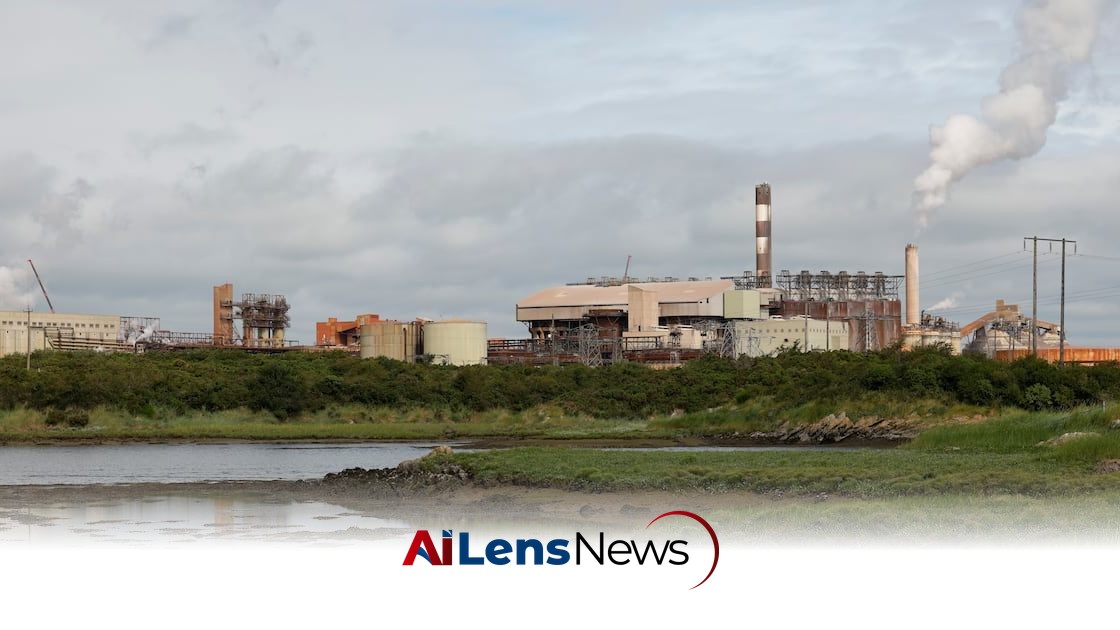


The Irish Government is investigating Aughinish Alumina's potential breach of EU sanctions on Russia, awaiting verification of export figures.
London, United Kingdom Jul 15, 2026 ALN: In recent developments, the Irish Government has initiated a comprehensive review regarding the compliance of Aughinish Alumina with European Union sanctions imposed on Russia. This scrutiny comes on the heels of heightened international tensions and calls for accountability regarding the trade of materials that may inadvertently support military activities.
Authorities in Ukraine and Sweden have actively participated in this review by providing crucial information to the Irish Government. This collaboration underscores the broader international effort to monitor and enforce sanctions against Russia, particularly in light of the ongoing conflict in Ukraine. The exchange of intelligence between countries highlights the interconnectedness of global security and economic policies, especially when it comes to the trade of critical raw materials like alumina, which is essential for aluminum production.
As part of the review process, the Irish Government is awaiting verification of export figures from the Central Statistics Office (CSO) and Revenue. These figures are pivotal in determining the extent to which Irish alumina is being exported to Russia. The accuracy of these figures is crucial not only for compliance with EU sanctions but also for maintaining the integrity of Ireland's trade practices. The CSO's role in this verification process is significant, as it serves as the national statistical agency responsible for collecting and analyzing economic data.
Minister for Enterprise Peter Burke has indicated that the report being prepared by his department is expected to be completed within a timeframe of ten days. He has reiterated his confidence in this timeline, emphasizing the urgency of the matter. The review is being conducted under the auspices of Burke's department, but it also involves collaboration with the Department of Foreign Affairs and the Central Bank. Each of these entities plays a critical role in investigating and enforcing sanctions, thereby ensuring that Ireland adheres to its obligations as a member of the European Union.
The impetus for this review can be traced back to an investigation published earlier this year by the Irish Times. This investigation revealed that the Aughinish Alumina plant, located in County Limerick, was exporting significant quantities of raw alumina to Russian smelters. These smelters, in turn, supply aluminum to manufacturers that produce arms for the Russian military. Such revelations have raised serious concerns about the ethical implications of trade practices that may inadvertently support military aggression.
In light of these findings, Minister Burke has emphasized that the investigation is being conducted independently, free from external influence. He has stated that he does not possess the authority to dictate the pace of the inquiry, which is being managed by experts in the field. This independence is crucial for ensuring the integrity of the review process, as it seeks to establish a clear and factual basis for any conclusions drawn.
On Tuesday, Minister for Foreign Affairs Helen McEntee provided an update on the status of the report, indicating that it was nearing completion. However, she also noted that new information had been received from the Ukrainian embassy, which necessitated further analysis. This development illustrates the dynamic nature of the review process, as new evidence can emerge that may influence the findings and recommendations of the report.
Minister Burke confirmed that the information provided by Ukrainian authorities, along with input from Swedish authorities, has been instrumental in shaping the review. However, he has refrained from disclosing specific details about the evidence received, citing the need for confidentiality in the independent inquiry. This approach is consistent with best practices in investigations, where the integrity of the evidence must be preserved to ensure a fair and unbiased outcome.
One of the key issues at stake is the accuracy of export figures initially reported by Aughinish Alumina to the CSO. Earlier this year, it was revealed that the company had provided incorrect data, stating that 83 percent of Irish alumina exports were destined for Russia, with only 0.6 percent going to the EU. In contrast, the company later claimed that the actual figures were closer to 45 percent for Russia and 45 percent for other markets. This discrepancy raises questions about the company's transparency and adherence to reporting standards, which are essential for regulatory compliance.
Minister Burke has acknowledged that Aughinish Alumina has cooperated with the department during the review process. This cooperation is vital for ensuring that the investigation can proceed smoothly and that any potential issues can be addressed promptly.
Furthermore, Burke has clarified that the threshold for nationalizing the plant is exceptionally high, indicating that the current legal framework does not support such an action based solely on the findings of this review. He has stated that the threshold for nationalization would need to be significant, and as it stands, it has not been met. This clarification is important as it alleviates concerns among stakeholders about the potential for state intervention, which could have far-reaching implications for the local economy and workforce.
In light of the uncertainties surrounding the future of the Aughinish Alumina plant, John Moran, the Mayor of Limerick, has reached out to the Taoiseach and Tánaiste, advocating for the establishment of a dedicated forum to support the workers and the surrounding community. Moran has expressed concern about the potential impact of the ongoing review on the local economy and job security for the employees at the plant. His call for a forum reflects a growing recognition of the need for proactive measures to address the social and economic implications of the review.
Minister Burke has indicated his willingness to engage with Moran and discuss the proposal for a forum. However, he has cautioned that committing to such a forum before the completion of the report may be premature. This reflects a careful approach to governance, balancing the need for community support with the necessity of awaiting the findings of the review.
The outcome of this review will not only have implications for Aughinish Alumina but will also resonate throughout the wider community and the Irish economy. As the government navigates the complexities of international sanctions and trade relationships, it will be essential to ensure that the interests of local workers and communities are safeguarded while also fulfilling its obligations on the global stage. The intersection of economic policy, international relations, and local community welfare will be at the forefront of discussions as the government seeks to balance these competing priorities.
In conclusion, the review into Aughinish Alumina's compliance with EU sanctions represents a critical juncture for the Irish Government, as it grapples with the complexities of international trade and the ethical implications of its economic relationships. The findings of this review will not only shape the future of the plant but will also influence Ireland's stance on sanctions and its commitment to upholding international law. As the situation unfolds, the government will need to remain vigilant and responsive to the evolving landscape of global trade and geopolitical tensions.
To learn more about the latest developments in Politics, stay updated with our exclusive reports and analyses on AiLensNews.

