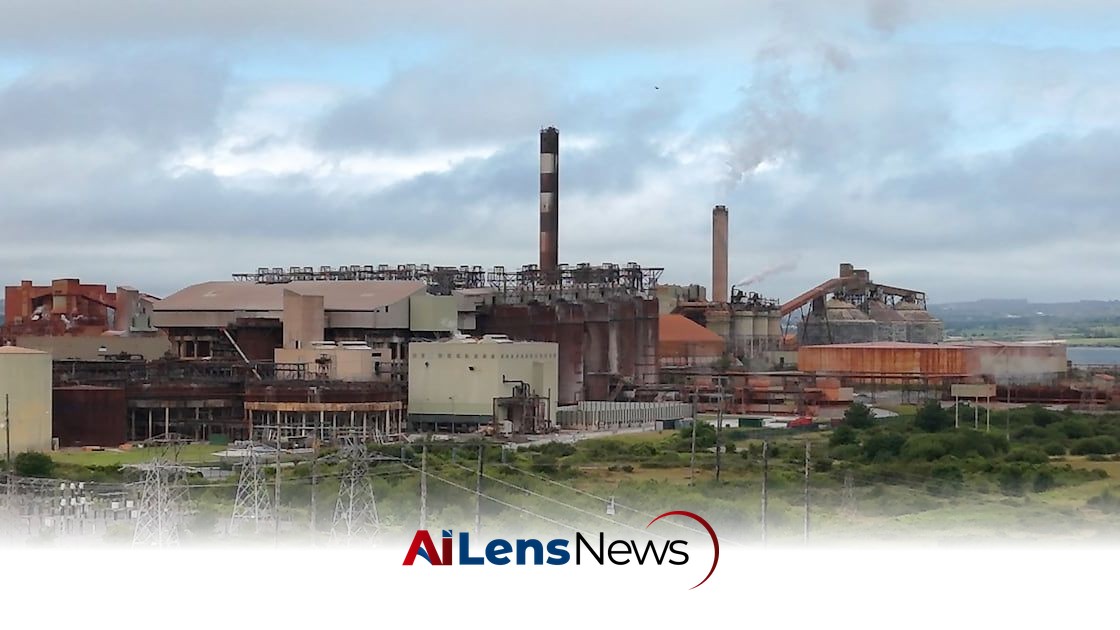


A government report indicates that Irish-produced alumina may be linked to the Russian military supply chain, though no definitive conclusions have been drawn.
London, United Kingdom Jul 16, 2026 ALN: The ongoing investigation into Aughinish Alumina, a significant alumina producer based in County Limerick, Ireland, has raised serious concerns regarding the potential implications of its operations on international security, particularly in relation to the Russian military supply chain. The report being compiled by the Irish Government is expected to highlight the uncertainty surrounding the end-use of alumina produced at the facility, with sources indicating that while it cannot definitively rule out the possibility of Irish alumina being utilized in Russian military applications, it is also unlikely to conclude that the material is actively being used in the arms industry.
The alumina plant, which has been a key player in the global aluminum supply chain, has come under scrutiny following allegations that its products have found their way into Russia's military supply chain. This scrutiny has been intensified by the ongoing conflict in Ukraine and the international community's efforts to impose sanctions on Russia in response to its actions. The Irish Government's report is part of a broader investigation into the export practices of Aughinish Alumina and its parent company, Rusal, a major Russian metals firm.
As the investigation unfolds, the Irish Government has indicated its intention to share the findings with the European Commission, signaling a collaborative approach to addressing potential concerns about the implications of alumina exports on European security. This engagement with Brussels is expected to be a lengthy process, with conclusions anticipated in the autumn. The sensitivity of the matter is underscored by the high-level discussions taking place within the Government, particularly in light of Taoiseach Micheál Martin's planned visit to Kyiv, where he is expected to reaffirm Ireland's support for Ukraine.
Despite the gravity of the situation, sources suggest that nationalization of the Aughinish plant is not being considered at this time. Legal advice from the Attorney General indicates that the necessary legal threshold for such an action has not been met, which reflects the complexities surrounding ownership and operational control of the facility. Nationalization could have far-reaching implications, not only for the company itself but also for the broader Irish economy and its standing in international trade.
One of the potential outcomes of the investigation could be the imposition of sanctions on alumina exports to Russia by the European Union. While no formal proposals for sanctions have been put forth, the possibility remains on the table as the EU continues to evaluate its response to Russia's ongoing military actions. If such sanctions were to be enacted, they would significantly impact Aughinish Alumina's operations, potentially restricting financial transactions with banks and other entities. However, some experts believe that the likelihood of sanctions may be low, as they could create supply challenges for the EU's aluminum industry, which relies on a steady supply of alumina for production.
The pressure on the Irish Government regarding Aughinish Alumina has intensified following an investigation by The Irish Times, which reported that a substantial portion of alumina produced at the Limerick facility had been exported to Russia, raising alarms about its potential use in military applications. Recent revisions from the Central Statistics Office (CSO) indicate that approximately 50.25 percent of alumina produced in the first quarter of this year was sent to Russia, a notable increase from 43 percent the previous year. These figures highlight the ongoing reliance of Russia on Irish alumina, which remains the largest single recipient of the material from Ireland, surpassing the EU in imports.
In the context of these developments, the CSO's revised statistics reveal that in 2025, 43 percent of Aughinish alumina—equivalent to 775,985 tonnes—was exported to Russia, while 38.3 percent, or 689,785 tonnes, was sent to EU markets. The earlier estimates had suggested a significantly higher proportion of exports to Russia, indicating a need for accurate data to inform policy decisions and public understanding of the situation.
Following Russia, the next largest recipient of alumina from the Limerick plant was France, which imported 77,156 tonnes in the first three months of this year for its aluminum smelter in Dunkirk. Additionally, just under 70,000 tonnes were sent to Sweden, where Rusal operates another aluminum smelter, further emphasizing the interconnected nature of the global aluminum supply chain and the challenges faced in monitoring and regulating exports.
In recent developments, the Ukrainian embassy has provided information to the Irish Government regarding the alumina exports, although sources indicate that this new information has not significantly altered the situation. The embassy has refrained from commenting on the specifics of the information shared, but has reiterated its commitment to working closely with Ireland to ensure that no economic activities from Irish territory contribute to the Russian military efforts against Ukraine. During a recent meeting between Taoiseach Micheál Martin and Ukrainian President Volodymyr Zelenskiy, the Taoiseach reaffirmed his commitment to a thorough and timely investigation into the alumina issue, reflecting the importance of international cooperation in addressing security concerns.
The implications of the ongoing investigation into Aughinish Alumina extend beyond the immediate concerns of export practices and military applications. They reflect a growing awareness of the interconnectedness of global supply chains and the responsibilities of nations to ensure that their economic activities do not inadvertently support aggression or conflict. As the situation develops, it will be crucial for the Irish Government, along with its European partners, to navigate the complexities of international trade, security, and ethical responsibility in a rapidly changing global landscape.
To learn more about the latest developments in Crime & Law, stay updated with our exclusive reports and analyses on AiLensNews.

