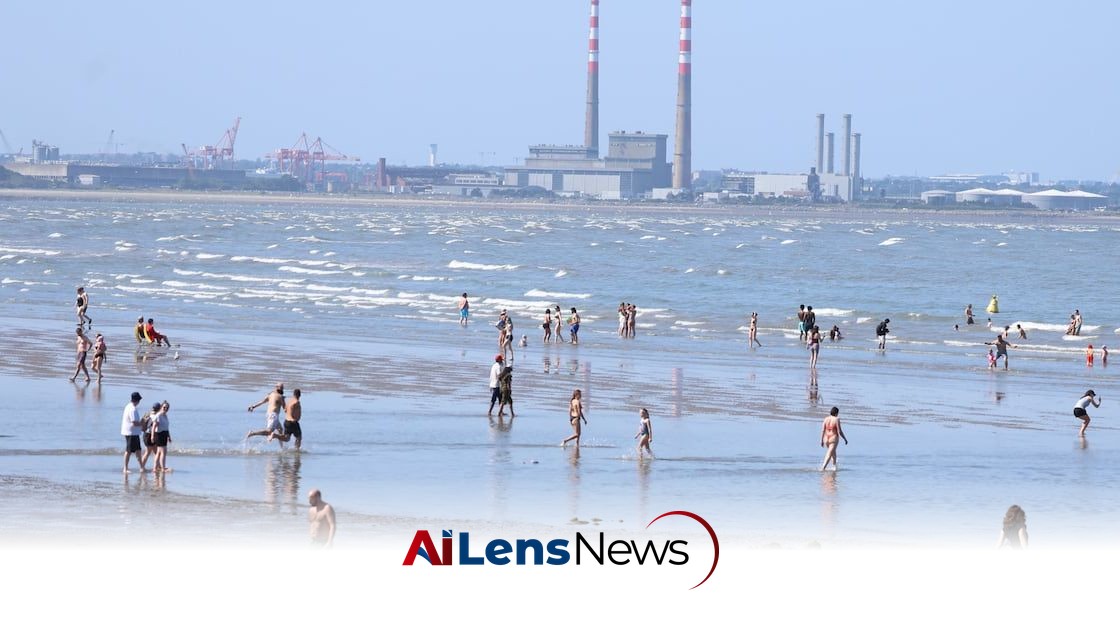


Met Éireann forecasts a hot week ahead with temperatures reaching up to 30 degrees, alongside potential thunderstorms as the week progresses.
London, United Kingdom Jul 13, 2026 ALN: The recent heatwave in Ireland has drawn considerable attention as temperatures are expected to remain elevated, particularly in the southern regions of the country. As the country prepares for another week of hot weather, forecasts indicate that temperatures could soar to 29 degrees Celsius in areas such as Munster and Connacht on Monday. This surge in temperature continues a trend that has been observed over the past week, where many regions have experienced unusually warm conditions for this time of year.
In contrast, Leinster and Ulster are expected to experience slightly cooler temperatures ranging from 20 to 24 degrees Celsius, accompanied by a light breeze. The variation in temperature across different regions highlights the localized nature of weather patterns and the influence of geographical factors on climate. While some areas bask in the heat, others remain more temperate, illustrating the diverse climatic conditions that can exist even within a relatively small geographical area.
As the week unfolds, the likelihood of showers and thunderstorms is anticipated to increase, particularly as warm air meets cooler fronts later in the week. This shift in weather patterns may bring relief to some areas that have been experiencing the dry spell, but it also raises concerns about the potential for severe weather conditions. On Sunday, a temperature of 30 degrees Celsius was provisionally recorded at the Met Éireann weather station on Valentia, County Kerry, marking a significant moment in the weather history of the region. However, this record is subject to verification, underscoring the importance of accuracy in meteorological reporting.
In stark contrast, Donegal’s Malin Head recorded a much cooler temperature of 18.5 degrees Celsius on the same day, emphasizing the variability of weather conditions across the nation. Such discrepancies serve as a reminder of the complexity of Ireland's climate, influenced by its maritime location and topography. The ongoing dry spell has raised several public health and safety concerns, as highlighted by Met Éireann. These concerns encompass a range of issues, including water safety, heat stress, and the potential for public transport disruptions.
Vulnerable populations, particularly the elderly, may be at heightened risk for heat-related illnesses during this prolonged period of warm weather. The health service executive (HSE) and other relevant bodies have been advised to disseminate information regarding precautions that individuals can take to safeguard their health. Recommendations include seeking shade, staying hydrated, and avoiding strenuous activities during peak heat hours. The implications of such weather conditions extend beyond individual health; they also affect community resources and emergency services, which must be prepared to respond to increased incidents of heat-related emergencies.
In addition to health concerns, the dry conditions raise significant questions regarding animal welfare and environmental safety. Farmers and agricultural workers are particularly vulnerable to the impacts of drought, which can lead to crop failures and livestock stress. The Department of Agriculture has been alerted to monitor conditions closely and provide support to those affected by the heatwave. Furthermore, the risk of wildfires in rural areas is heightened during dry spells, prompting authorities to issue fire safety guidelines. The public is urged to refrain from lighting fires in or near woodland areas and to use designated barbecue points to minimize risks.
As the week progresses, Tuesday is expected to maintain warm, dry weather, with plenty of sunshine and only a slight chance of showers in the southern regions later in the day. The forecast for Wednesday predicts another dry and sunny day, with temperatures potentially reaching up to 28 degrees Celsius. However, the possibility of heavy showers and isolated thunderstorms is anticipated, particularly in the south and west, as the weather system continues to evolve.
Thursday is projected to be similarly warm or hot, with dry and sunny conditions prevailing for most of the country. Temperatures are expected to range between 24 and 28 degrees Celsius, but the chance of heavy showers and thunderstorms will increase, especially in the southern and western regions. This potential shift in weather patterns underscores the importance of remaining vigilant and prepared for sudden changes in conditions.
Looking beyond Thursday, the forecast remains uncertain, with indications of a mix of sunshine and showers that may be heavy and thundery. Despite the potential for rain, the warm spell may persist, raising questions about the long-term implications of such weather patterns on the environment and public health. Extended periods of high temperatures can lead to a range of challenges, including water shortages and increased energy consumption as people turn to air conditioning and other cooling methods.
Public health authorities have reiterated the importance of following safety guidelines during these heatwaves. Recommendations include staying in the shade, avoiding strenuous activities during the hottest parts of the day, and ensuring adequate hydration. The use of sunscreen is also emphasized, particularly for individuals who may be exposed to direct sunlight for extended periods. For adults, a sunscreen with a factor of 30 is recommended, while children should use a factor of 50 to protect their sensitive skin.
Water safety remains a critical concern during the warm weather, especially as people flock to beaches and recreational waterways. The public is encouraged to swim only in lifeguarded areas and to remain mindful of their swimming capabilities. Cold water temperatures can lead to cold-water shock, which increases the risk of drowning, particularly among inexperienced swimmers. Parents are reminded to supervise children closely near water and to engage in conversations about water safety with teenagers.
In rural areas, fire safety is paramount, and the public is urged to avoid lighting fires near woodlands and to use designated barbecue points where available. After using a barbecue, it is essential to soak the embers thoroughly with water to ensure they are completely extinguished. If a fire is spotted, it should be reported immediately to emergency services, as wildfires can be unpredictable and pose significant risks to life and property.
In conclusion, as Ireland braces for continued heatwave conditions, the importance of public awareness and preparedness cannot be overstated. The combination of high temperatures, potential thunderstorms, and the risk of wildfires necessitates a proactive approach to safety and health. With the right precautions and community cooperation, the impacts of this heatwave can be managed effectively, ensuring the well-being of individuals and the safety of the environment.
To learn more about the latest developments in Crime & Law, stay updated with our exclusive reports and analyses on AiLensNews.

