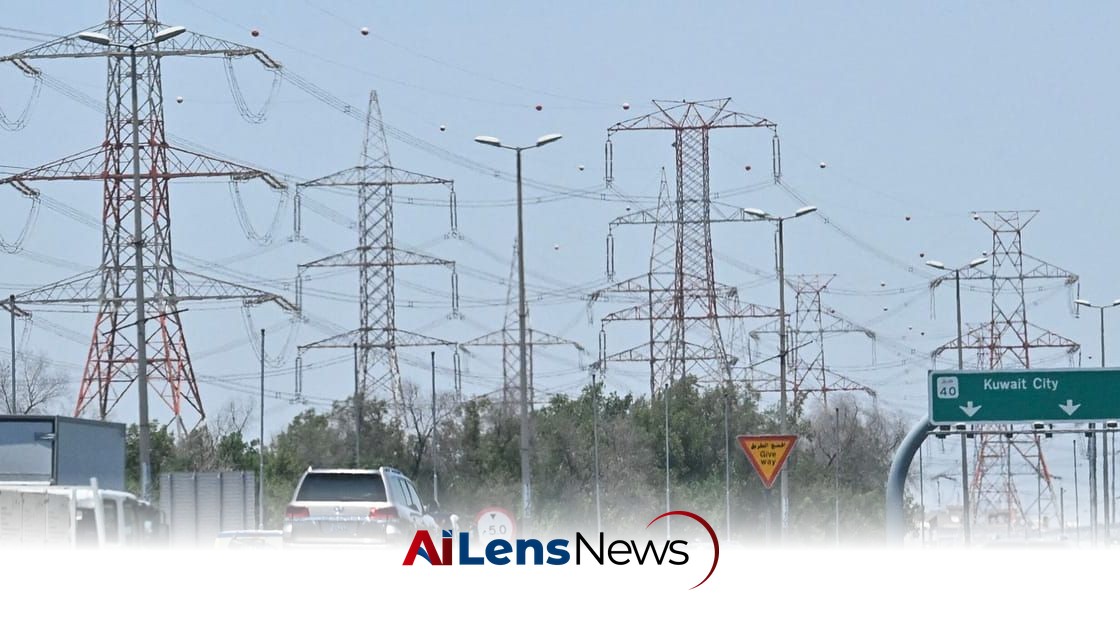


Recent attacks by Iran on Gulf allies have severely impacted water infrastructure in Kuwait, raising concerns over water shortages in the region.
London, United Kingdom Jul 18, 2026 ALN: The ongoing conflict in the Gulf region has seen a significant escalation in hostilities, particularly between Iran and its neighbors, including Kuwait. The recent military actions have raised alarms not only due to their immediate impacts but also because of the strategic importance of water infrastructure in the arid Middle East, where access to clean water is a pressing concern for many nations. The region has long been characterized by a scarcity of freshwater resources, making it heavily reliant on advanced technologies such as desalination to meet the drinking water needs of its populations.
On Saturday morning, Iran initiated a series of strikes targeting facilities in Kuwait, following a sustained bombing campaign by the United States that had been ongoing for a week. This cycle of violence was precipitated by the collapse of a ceasefire agreement that had been in place since June. The ceasefire, which had aimed to reduce tensions and foster dialogue in the region, was ultimately deemed ineffective, leading to renewed hostilities. The failure of this ceasefire underscores the fragility of diplomatic efforts in a region marked by longstanding rivalries and deep-seated grievances.
Both Iran and Kuwait confirmed that the latest attacks specifically targeted desalination plants, which are vital for providing drinking water in a region characterized by its limited freshwater resources. Kuwait, in particular, relies heavily on desalination technology, with approximately 90 percent of its drinking water derived from this process. The energy and water ministry of Kuwait reported that one of the Iranian strikes resulted in a fire at a power and desalination plant, underscoring the potential humanitarian implications of such military actions. Such attacks not only compromise immediate access to clean water but also threaten the long-term sustainability of water resources in a region already grappling with water scarcity.
In addition to the immediate damage caused by the strikes, reports from Iran's semi-official Tasnim news agency indicated that around 10,000 people in Iran were experiencing water shortages following a U.S. strike on a desalination facility. This claim reflects ongoing tensions and accusations between the two nations, with Iran previously alleging that U.S. military actions had damaged its own desalination infrastructure in March. The targeting of water facilities raises significant concerns about the impact of military operations on civilian populations and essential services. Water shortages can lead to a cascade of public health crises, including the spread of waterborne diseases, which can further destabilize the region.
U.S. Central Command has stated that its military operations aimed to dismantle various strategic assets, including surveillance sites, military logistics infrastructure, underground weapons storage, and maritime capabilities. The focus on these targets highlights the broader geopolitical struggle in the region, where both military and economic interests are at play. The U.S. has positioned itself as a key ally to several Gulf states, including Kuwait, and its military actions are often framed within the context of countering Iranian influence in the region. This dynamic complicates the already intricate web of alliances and hostilities in the Gulf, as nations navigate their security needs against the backdrop of regional rivalries.
The situation has also drawn in other regional players, with Bahrain and Jordan reporting that they intercepted several Iranian strikes on the same day. This indicates a broader regional conflict, where multiple nations are involved in the hostilities, either directly or through military support. The Iranian army has claimed responsibility for targeting U.S. bases in both Jordan and Kuwait, further complicating the security landscape in the Gulf. The involvement of these nations highlights the interconnected nature of security in the region, where the actions of one state can have far-reaching implications for others.
The collapse of the ceasefire agreement, which had been brokered with the intention of reducing tensions, reflects the difficulties of diplomatic engagement in the region. U.S. President Donald Trump’s declaration that the ceasefire was over came after stalled negotiations, underscoring the challenges of achieving a lasting peace in a conflict marked by deep-seated grievances and historical animosities. The inability to maintain a ceasefire not only exacerbates the immediate violence but also diminishes the prospects for future negotiations, as trust between the involved parties erodes.
As the conflict escalates, the implications for regional stability are profound. The targeting of water infrastructure not only threatens the immediate availability of drinking water but also raises questions about the long-term sustainability of water resources in the region. With many Gulf states already facing water scarcity due to climate change and population growth, any disruption to water supply systems can have catastrophic effects on public health and security. The intersection of military conflict and resource scarcity creates a precarious situation where the basic needs of civilian populations are jeopardized.
Moreover, the ongoing military actions could have broader geopolitical ramifications. The Gulf region is a critical area for global energy supplies, and any escalation in conflict could potentially disrupt oil and gas markets, affecting economies far beyond the immediate region. The potential for a broader conflict raises concerns among global powers, as disruptions in the Gulf could lead to increased energy prices and supply shortages worldwide. Additionally, the involvement of multiple nations in the conflict complicates international diplomatic efforts to mediate and resolve the situation, as competing interests and alliances come into play.
In conclusion, the recent strikes on water infrastructure by Iran, coupled with U.S. military actions, highlight the precarious nature of security in the Gulf region. As both sides continue to engage in military operations, the humanitarian implications for civilian populations—especially regarding access to essential resources like water—remain a pressing concern. The international community will need to closely monitor the situation and consider diplomatic avenues to prevent further escalation and address the underlying issues fueling the conflict. The challenges of achieving stability in the Gulf are daunting, but the necessity of protecting civilian lives and ensuring access to vital resources like water must remain at the forefront of any diplomatic efforts.
To learn more about the latest developments in World News & International Affairs, stay updated with our exclusive reports and analyses on AiLensNews.

