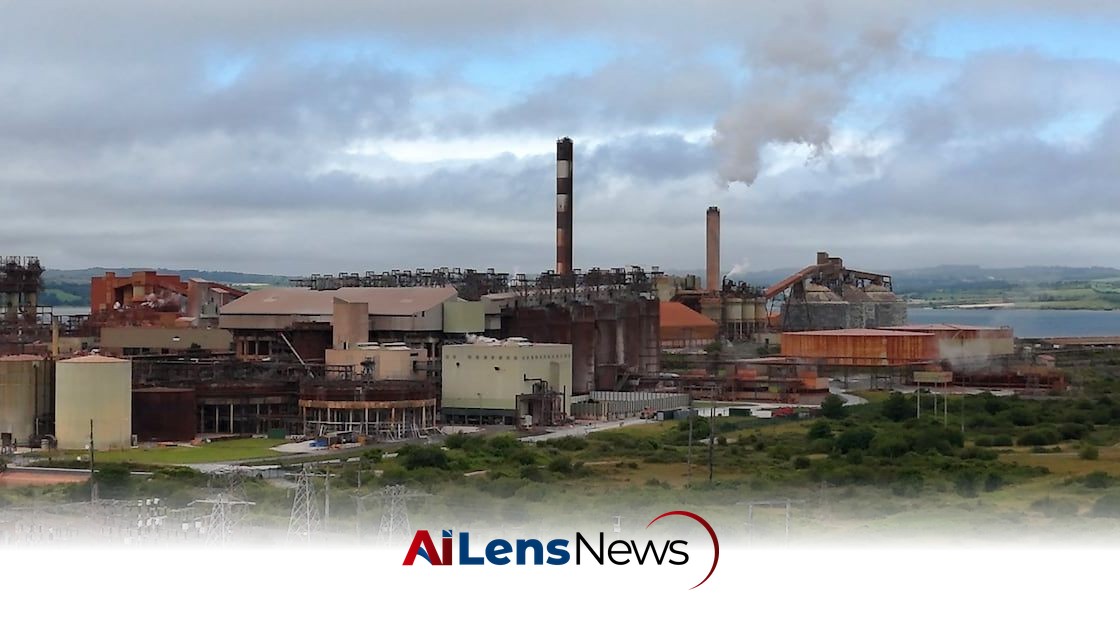


An inquiry into Aughinish Alumina's exports to Russia found no evidence linking the plant to military supplies, according to Minister Peter Burke.
London, United Kingdom Jul 25, 2026 ALN: The investigation into Aughinish Alumina, a company based in County Limerick, Ireland, has concluded with no adverse findings regarding its exports of alumina to Russia. This inquiry was prompted by concerns that the alumina produced at the facility might be funneled into the Russian military supply chain, specifically for the production of arms and missiles used in the ongoing conflict in Ukraine. Minister for Enterprise Peter Burke announced the findings, stating that there was a lack of sufficient evidence to substantiate claims that the alumina was being used for military purposes.
The inquiry was initiated following a report by The Irish Times, which collaborated with the Organised Crime and Corruption Reporting Project. This report referenced leaked documents that suggested a substantial volume of alumina was being exported from the Aughinish plant to smelters in Russia. From there, it was alleged that the alumina was sold to companies involved in supplying aluminum to the Russian defense sector. The implications of such an arrangement raised significant concerns, particularly in light of the EU's sanctions regime against Russia in response to its actions in Ukraine.
Aughinish Alumina is owned by Rusal, a major Russian metals corporation controlled by Oleg Deripaska, an oligarch with close ties to the Kremlin. The ownership of the plant by a Russian entity has heightened scrutiny and calls for action among various stakeholders, including political figures and advocacy groups. The sensitivity surrounding the issue is underscored by the context of the war in Ukraine, which has led to widespread international condemnation of Russia's military actions and a concerted effort to impose economic sanctions aimed at crippling its war capabilities.
During a visit to Ukraine, Taoiseach Micheál Martin acknowledged the findings of the inquiry, noting that while there was no concrete evidence linking Aughinish Alumina directly to military supply chains, the report could not entirely dismiss the possibility. This ambiguity has led to calls from Ukrainian President Volodymyr Zelenskiy for the European Union to consider sanctioning alumina exports, effectively preventing Aughinish from continuing its shipments to Russia. The call for sanctions reflects the heightened sensitivity around any economic activity that could indirectly support Russia's military efforts.
In response to the investigation's findings, Aughinish Alumina expressed its willingness to collaborate with government authorities to enhance the traceability of its products. The company underscored its role as a supplier of critical raw materials to Europe and its position as a significant employer in the region. This statement indicates a desire to maintain transparency and accountability in its operations, particularly in light of the scrutiny it faces due to its ties with Russia.
Minister Burke emphasized the challenges faced by investigators in substantiating the claims made against Aughinish Alumina. He pointed out that the lack of verifiable internal trade data within Russia, especially since the onset of the full-scale invasion of Ukraine in 2022, complicated the inquiry. The department's officials made extensive efforts to validate the information presented by the media reports, but ultimately concluded that the evidence available did not meet the threshold required for legal action.
According to Burke, Aughinish Alumina provided documentation asserting that the alumina produced at the Limerick facility is not utilized for military purposes but is instead used in the production of aluminum for export. However, the department noted that this claim could not be independently verified, leaving room for speculation about the ultimate fate of the alumina once it reaches Russia.
Approximately half of the alumina produced at the Co Limerick facility is shipped to Russia, while the remainder is distributed to aluminum smelters in other European countries, including France and Sweden. These smelters supply various sectors of European heavy industry, indicating that the alumina has significant commercial applications beyond the military. However, the dual-use nature of such materials raises questions about the potential for diversion to military applications, particularly in a conflict zone.
Burke acknowledged the difficulty in obtaining evidence that would withstand scrutiny in a legal context, stating that suspicion alone does not constitute proof. He reiterated Ireland's strong support for Ukraine and the commitment to ensuring that Irish exports do not inadvertently contribute to military operations against the Ukrainian people. The emotional weight of this issue resonates deeply with the Irish public, given the nation's historical context and its stance on international conflicts.
The report from the investigation has been submitted to the European Commission, which is responsible for determining whether to propose further sanctions against Russia, potentially targeting alumina exports. The commission's decision-making process will take into account the findings of the inquiry as well as the broader geopolitical landscape, including the ongoing war in Ukraine and the EU's strategy for addressing Russian aggression.
Minister Burke clarified that the report would not be made public due to the inclusion of confidential information shared by other EU member states and the company itself. This decision has raised concerns about transparency and accountability, particularly among advocacy groups and individuals who are closely monitoring the implications of economic activities that could support the Russian military.
As the situation evolves, the implications of the investigation and the potential for EU sanctions against alumina exports will be closely watched. The interplay between economic interests, international relations, and ethical considerations surrounding the conflict in Ukraine continues to shape discussions in Europe and beyond. The ongoing scrutiny of companies like Aughinish Alumina highlights the complexities of global supply chains and the challenges of ensuring that economic activities do not inadvertently support military aggression.
To learn more about the latest developments in Crime & Law, stay updated with our exclusive reports and analyses on AiLensNews.

