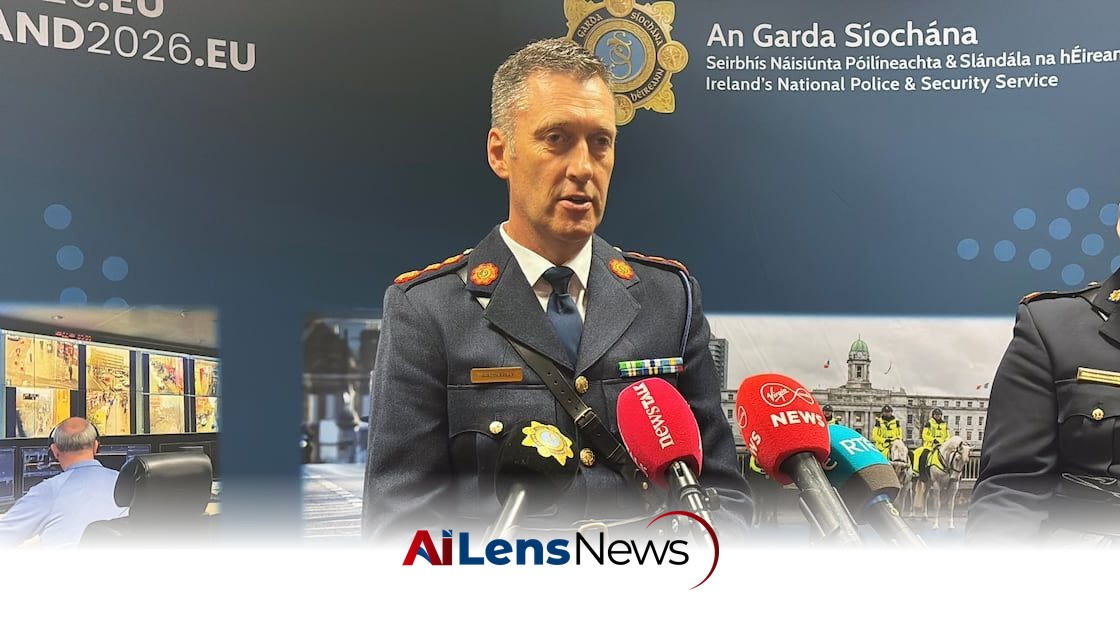


An intelligence-led operation by Gardaí intercepted a sophisticated bomb near the Irish border, resulting in two arrests linked to dissident republicans.
London, United Kingdom Jul 24, 2026 ALN: The recent seizure of a significant bomb near the Irish border has raised alarms regarding the ongoing threat posed by dissident republican groups in Ireland. This operation, executed by the Garda Síochána, Ireland's national police service, highlights the persistent challenges faced by law enforcement in addressing violent extremism and the remnants of past conflicts.
The bomb was intercepted in a vehicle traveling on the N2 road south of Carrickmacross, County Monaghan, during a targeted operation by the Garda's Special Detective Unit. This intelligence-led initiative underscores the proactive measures being undertaken by the Gardaí to mitigate potential threats from groups that have not accepted the peace established by the Good Friday Agreement in 1998.
In the context of the Northern Ireland conflict, the Good Friday Agreement was a pivotal moment that aimed to bring an end to decades of violence, known as The Troubles, which involved various nationalist and unionist factions. While the agreement has largely succeeded in reducing violence, a small faction of dissident republicans remains active, rejecting the peace process and advocating for the reunification of Ireland through means that include armed struggle.
The bomb discovered in Carrickmacross was described by Garda sources as “highly sophisticated” and containing suspected military-grade explosives. Such descriptions indicate a level of technical expertise and resources that could pose serious risks to public safety. The involvement of the Irish Defence Forces' Explosive Ordnance Disposal (EOD) team further emphasizes the seriousness of the threat, as they are specially trained to handle and neutralize explosives.
The operation led to the arrest of two individuals: a female driver in her 20s and a male suspect in his 40s. Their arrests are part of a broader strategy to disrupt the activities of dissident groups, which have been known to operate clandestinely and often rely on a network of support within certain communities. The Garda Commissioner, Justin Kelly, acknowledged the significance of the seizure, stating that it reflects ongoing concerns about the activities of a minority of radicalized republicans who continue to pose a threat to public safety.
Commissioner Kelly's remarks also highlight the collaborative efforts between the Garda Síochána and the Police Service of Northern Ireland (PSNI). This cooperation is crucial for intelligence sharing and operational support, particularly given the porous nature of the border between the Republic of Ireland and Northern Ireland. The two police forces have been increasingly working together to address the challenges posed by dissident republicans, especially in light of the evolving political landscape in Northern Ireland.
The seizure has prompted reactions from various officials, including Ireland’s Minister for Justice, Jim O’Callaghan, who described the incident as “very worrying.” His comments reflect a recognition that despite the progress made since the Good Friday Agreement, the threat from dissident republicanism remains a serious issue. O’Callaghan emphasized the importance of the cooperation between the Gardaí and the PSNI, suggesting that such collaboration is vital for ensuring public safety and preventing potential attacks.
The ongoing threat from dissident republicans is not merely a law enforcement issue but also a societal concern. The existence of these groups often stems from deep-rooted political and social grievances, and their actions can evoke memories of the violence and trauma experienced during The Troubles. As such, addressing this threat requires a multifaceted approach that includes not only policing but also community engagement and political dialogue.
In the wake of this incident, it is essential for both the Irish and Northern Irish governments to reaffirm their commitment to the principles of the Good Friday Agreement. This includes not only maintaining peace and stability but also addressing the underlying issues that contribute to the existence of dissident groups. Engaging with communities that may feel marginalized or disenfranchised is crucial in preventing the radicalization of individuals and reducing support for violent extremism.
The implications of this bomb seizure extend beyond immediate security concerns. It serves as a stark reminder of the fragility of peace in a region that has experienced significant turmoil. The potential for violence remains, and the need for vigilance among law enforcement and communities alike is paramount. The Gardaí’s successful interception of the bomb is a testament to their capabilities, but it also highlights the ongoing battle against those who seek to undermine peace through violence.
As Ireland moves forward, it will be essential to balance security measures with efforts to foster dialogue and reconciliation. The lessons learned from past conflicts must inform current strategies to ensure that the mistakes of history are not repeated. The cooperation between police services, alongside community engagement initiatives, will play a crucial role in shaping a safer future for all citizens on the island of Ireland.
The broader context of this incident also raises questions about the impact of Brexit on the political landscape in Northern Ireland and the Republic of Ireland. The re-establishment of a hard border between the two jurisdictions has been a contentious issue, and concerns about the resurgence of violence have been voiced by various stakeholders since the Brexit referendum. Ensuring that the progress made in peacebuilding is not jeopardized by political changes is critical for maintaining stability in the region.
In conclusion, the interception of the bomb near the Irish border serves as a significant reminder of the ongoing challenges posed by dissident republicanism. It underscores the need for continued vigilance and cooperation between law enforcement agencies in both jurisdictions, as well as the importance of addressing the underlying issues that contribute to the existence of such groups. As Ireland navigates its complex political landscape, the commitment to peace and security for all citizens must remain a top priority.
To learn more about the latest developments in Crime & Law, stay updated with our exclusive reports and analyses on AiLensNews.

