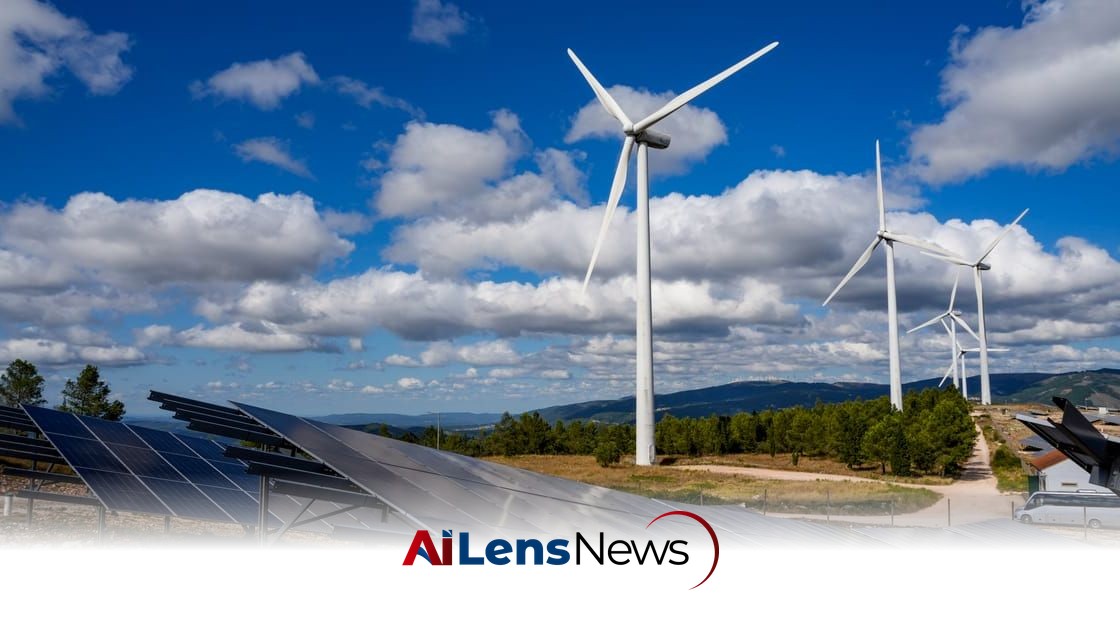


The European Commission plans to increase electricity's share of the EU's energy consumption to 46% by 2040, but avoids setting a legally binding target.
London, United Kingdom Jul 17, 2026 ALN: The European Commission has announced an ambitious new Electrification Action Plan, aiming to derive 46 percent of the European Union's total energy from electricity by 2040—doubling the current level of electricity usage. However, the Commission has chosen not to set a legally binding target, which has raised questions about the feasibility and enforceability of this plan.
The Electrification Action Plan was unveiled by EU energy chief Dan Jørgensen on Friday, highlighting the Commission's intention to reduce Europe’s reliance on imported oil and gas, while also lowering energy costs for households and industries across the continent. The Commission estimates that achieving this electrification target would lead to a significant reduction in fossil fuel demand, projecting a 40 percent decrease in oil demand and a staggering 70 percent reduction in gas demand.
“The age of fossil fuels is coming to an end,” stated EU energy chief Dan Jørgensen during the announcement. He emphasized the historical significance of the plan, noting, “Today we are proposing to double the electrification rate in Europe. This is not a small thing. It took us from the Stone Age till now to get to 23 percent, and now we want to double it in 14 years.” This statement underscores the urgency and ambition of the EU's energy transition strategy.
Despite the bold vision presented, the specifics of how the EU will ensure that it meets this target remain somewhat unclear. An earlier draft of the Electrification Action Plan had proposed a legally binding target, which would have imposed strict obligations on member states. However, the final version of the plan sets an "indicative target" of 46 percent. The Commission has indicated that it will assess the possibility of making this target legally binding as part of the post-2030 Energy Union package, leaving room for future adjustments.
An EU official highlighted the ongoing reliance on imported fossil fuels, stating, “We are still seeing that over half of the EU’s energy consumption is made by imported fossil fuels.” This reliance has made the EU vulnerable to global energy shocks, a concern that has been amplified by geopolitical tensions. For instance, the escalation of conflicts in the Middle East has resulted in the EU spending more than €50 billion extra on fossil fuel imports, raising alarms about energy security and price stability.
The Electrification Action Plan specifically targets three key sectors: industry, transport, and buildings. The residential and commercial building sector is particularly significant, as it accounts for approximately half of the EU's gas consumption. To facilitate the transition, the plan introduces new measures aimed at accelerating the deployment of heat pumps, expanding charging infrastructure for electric vehicles, and supporting the electrification of industrial processes.
Despite the progress made in clean power generation, the Commission has warned that advancements in electrification have stalled. Currently, more than 70 percent of EU electricity generation comes from clean sources, primarily renewables and nuclear energy. However, the electrification rate has remained stagnant at around 23 percent over the past decade, indicating a need for renewed focus and action.
To address these challenges, the plan identifies five main barriers to electrification: the price gap between electricity and gas, access to necessary infrastructure, the need for innovation, and the upfront costs associated with electrification technologies such as heat pumps and electric vehicles. A central element of the plan is the effort to bridge the electricity-to-gas price gap, as electricity is currently priced up to 2.5 times higher than gas on average, according to the Commission's analysis.
Moreover, the energy package includes new measures aimed at improving the efficiency of electricity grids. These measures are designed to encourage consumers, producers, and grid operators to adapt their behaviors in ways that promote a more cost-effective electricity system. An EU official explained, “The aim of this proposal is to make sure that all system users, be they on the production or on the consumption side, have the right incentives available to help us manage our electricity system in the most cost-effective manner.”
The initiative also calls on member states to ensure that electricity is not taxed more heavily than gas, recognizing that taxation can pose a significant barrier to electrification efforts. However, the proposal does not dictate how individual countries should set their electricity tariffs. Instead, it establishes guiding principles for national regulators to encourage smarter consumption, greater flexibility, and more efficient grid management. As one official noted, “We provide a series of principles. But at the same time, it is then for national regulatory authorities to apply these principles.”
The implications of this Electrification Action Plan are significant, not only for the EU's energy landscape but also for its broader climate goals. By reducing dependence on fossil fuels and increasing the share of electricity in the energy mix, the EU aims to enhance its energy security, stabilize prices, and contribute to global efforts to combat climate change. The plan aligns with the EU's commitment to achieving carbon neutrality by 2050, making the transition to a more electrified economy a critical component of its long-term sustainability strategy.
As the EU embarks on this electrification journey, it faces numerous challenges, including the need for substantial investments in infrastructure, technological advancements, and public acceptance of new energy solutions. The success of the Electrification Action Plan will depend on the collaboration of member states, the private sector, and civil society to create a cohesive and effective approach to energy transition.
In conclusion, while the EU's Electrification Action Plan presents a bold vision for the future of energy in Europe, its success hinges on the ability to overcome existing barriers, implement effective policies, and foster cooperation among all stakeholders involved in the energy sector. As the world moves towards a more sustainable energy future, the EU's commitment to doubling its electrification rate by 2040 serves as a crucial step in addressing the pressing challenges of climate change and energy security.
To learn more about the latest developments in Crime & Law, stay updated with our exclusive reports and analyses on AiLensNews.

