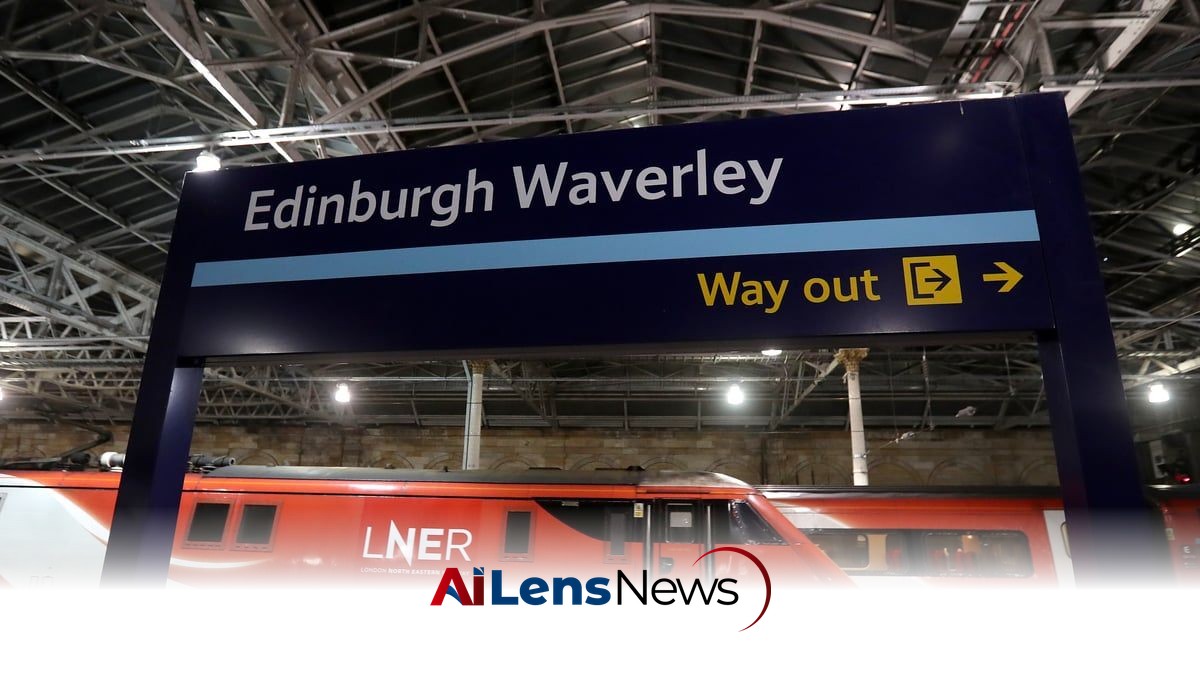


A power outage at Edinburgh Waverley caused significant train delays and cancellations earlier today, attributed to a bird caught in the contact wire.
London, United Kingdom Jul 15, 2026 ALN: A power outage at Edinburgh Waverley station led to significant disruptions in train services earlier today. Passengers experienced delays and cancellations as a result of the incident, highlighting the fragility of urban transport systems and their susceptibility to unexpected events. Edinburgh Waverley station, located in the heart of Scotland's capital, is a vital transport hub that connects the city to various domestic and international destinations. It is one of the busiest railway stations in Scotland, serving millions of passengers annually. The station's importance is underscored by its role in facilitating both local commutes and long-distance travel, making it a critical component of the region's transport infrastructure.
The outage was reportedly caused by a bird becoming entangled in the contact wire, which is essential for powering the trains. This unexpected event prompted immediate action from the railway authorities to restore normal operations. Birds and other wildlife frequently pose challenges to rail infrastructure; incidents like these, while relatively rare, can have substantial consequences for commuters and the overall efficiency of the rail network. Wildlife interactions with rail systems are not uncommon, and they can lead to significant operational disruptions, as demonstrated by this incident. Rail companies often face the challenge of balancing the need for efficient transport services with the ecological realities of their operational environments.
Train services were affected for several hours, with many commuters left stranded or forced to seek alternative routes. The disruption during peak hours particularly impacted those commuting to work or attending appointments, leading to frustration among passengers. Commuters rely heavily on the punctuality and reliability of train services, especially during busy morning and evening travel periods. The railway company worked diligently to resolve the issue, ensuring that safety protocols were followed during the restoration process, which is crucial in maintaining the integrity of the rail system. Safety is paramount in the railway industry, and every effort is made to ensure that operations can resume without compromising passenger well-being.
As the situation unfolded, passengers were kept informed through announcements and updates on social media. Many expressed their frustration over the delays, particularly during peak travel hours. Social media has become a vital tool for communication during such incidents, allowing passengers to receive real-time information and updates about their travel plans. The railway company utilized these platforms to provide timely information regarding the status of the services, the reasons for the delays, and estimated times for resumption, which helped manage passenger expectations. Effective communication is essential during disruptions to maintain public trust and ensure that passengers feel informed and supported.
By late morning, services began to return to normal, with trains gradually resuming their schedules. The railway company thanked passengers for their patience and understanding during the disruption, recognizing the impact that such incidents can have on daily routines. This acknowledgment is important as it fosters goodwill and understanding between the service providers and the passengers they serve. It also serves as a reminder of the importance of effective communication in customer service, especially during crises. Railway companies are increasingly aware that their reputations are built not only on the reliability of their services but also on how they manage customer relations during challenging situations.
This incident highlights the vulnerabilities of rail infrastructure to unexpected events, reminding both operators and passengers of the importance of preparedness in the face of unforeseen circumstances. Rail operators often have contingency plans in place for various types of disruptions, but wildlife-related incidents can be particularly challenging due to their unpredictable nature. The incident at Edinburgh Waverley raises questions about how rail companies can further enhance their infrastructure to minimize such occurrences. For instance, measures such as installing bird deterrents or improving the design of overhead wires could be explored to reduce the likelihood of similar incidents in the future. These proactive measures could not only enhance operational reliability but also contribute to the overall safety of the rail network.
In conclusion, while the power outage caused significant inconvenience, the swift response from railway authorities helped mitigate the impact on travelers. This incident serves as a case study in the complexities of managing urban transportation systems, where numerous factors can influence service reliability. As cities continue to grow and evolve, the need for robust infrastructure and effective crisis management strategies will only become more critical. Rail companies must remain vigilant and proactive in addressing potential vulnerabilities, ensuring that they can provide safe and reliable services to the public, even in the face of unexpected challenges. Moreover, as the environmental impacts of urban development continue to be a concern, finding ways to balance infrastructure needs with ecological considerations will be paramount for sustainable urban transport systems in the future.
Understanding the implications of such incidents extends beyond immediate disruptions; they also highlight the need for continuous improvement in rail infrastructure and service management. The integration of technology, such as predictive analytics and real-time monitoring systems, could significantly enhance the ability of rail operators to anticipate and respond to potential disruptions. Furthermore, engaging with local wildlife experts to develop strategies that mitigate the impact of wildlife on rail operations could foster a more harmonious coexistence between urban infrastructure and the natural environment.
As urban centers like Edinburgh continue to grow, the demand for efficient and reliable public transport systems will only increase. This incident serves as a reminder of the critical role that rail transport plays in urban mobility and the ongoing challenges that must be addressed to maintain service quality. The lessons learned from this power outage could inform future policies and practices aimed at improving the resilience of rail networks against unforeseen disruptions, ensuring that they remain a safe and efficient mode of transport for all users.
To learn more about the latest developments in Local & Regional, stay updated with our exclusive reports and analyses on AiLensNews.

