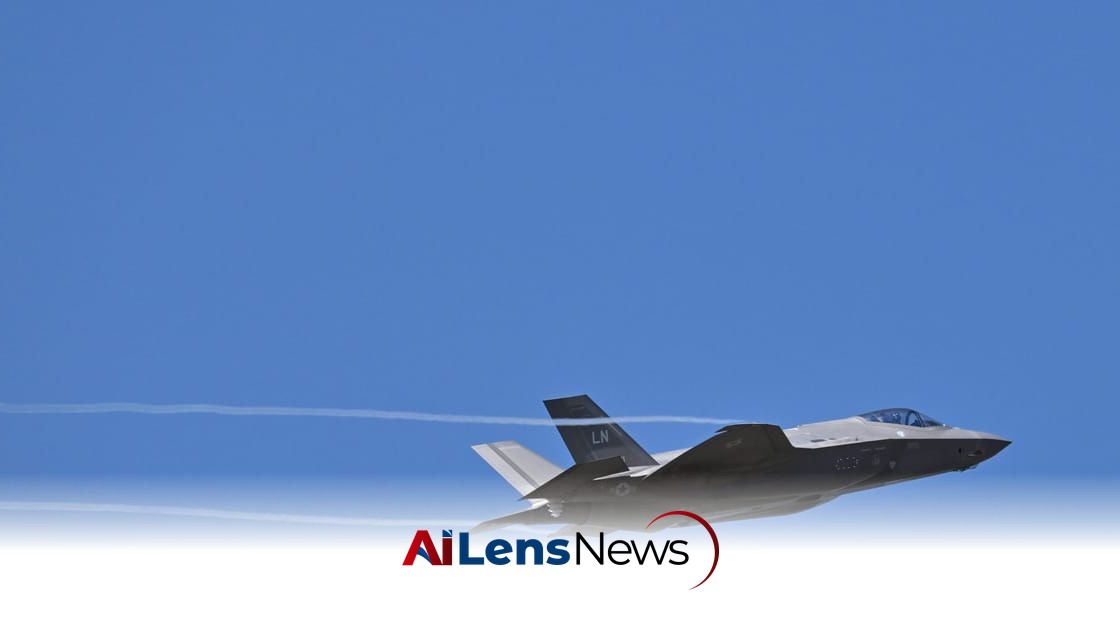


Canada has been welcomed as an observer nation in the Global Combat Air Programme, aimed at developing a sixth-generation fighter jet by 2035.
London, United Kingdom Jul 21, 2026 ALN: In a significant development for international defense collaboration, Britain, Japan, and Italy have announced that Canada will join their initiative to develop a sixth-generation fighter jet, projected to be operational by 2035. The announcement was made by defense ministers from the involved nations during a joint press conference on Tuesday.
This move to include Canada as an observer nation—first reported last week—aims to enhance the supply chains of middle-power nations involved in the defense sector. The inclusion of Canada is seen as a strategic step that could bolster the collaborative efforts in the development of advanced military technologies.
The announcement marks the first major initiative undertaken by Britain’s newly appointed defense chief, Wes Streeting, who was appointed by Prime Minister Andy Burnham just a day earlier. Streeting emphasized the importance of deterrence in modern warfare, stating, "My focus is on maximizing our deterrence and ensuring that should deterrence fail, we're ready to fight and win alongside allies.” This statement underscores the ongoing commitment of these nations to maintain a robust defense posture in an increasingly complex global security environment.
The Global Combat Air Programme (GCAP) is not only about developing a next-generation fighter jet; it also symbolizes a broader movement towards reindustrialization and strengthening national production capacities. Streeting highlighted the program’s potential to revitalize the defense manufacturing sector in the U.K., stating, "reindustrialization and building back up our production capacity, so we can give our armed forces the kit they need, as well as building and buying British, so that we deliver good jobs in communities in every part of our country.” This focus on domestic production is particularly relevant in the context of recent global supply chain disruptions and the need for nations to bolster their self-reliance in critical sectors.
Prime Minister Andy Burnham, who took office recently, has made it clear that reindustrializing Britain will be a central theme of his administration. Speaking on the steps of Downing Street, Burnham articulated his commitment to defense investments, asserting, "We are going to honor our commitments on defense — and use that investment to transform people's lives.” The British government has already allocated £8.6 billion for the fighter jet project over the next four years as part of its Defense Investment Plan, signaling a serious commitment to advancing its military capabilities.
The sixth-generation fighter jet initiative is already a significant contributor to the U.K. economy, supporting approximately 4,500 jobs across 600 different firms within the supply chain. This economic impact highlights the dual role of defense projects in not only enhancing military capabilities but also driving job creation and economic growth in various regions of the country.
As the first observer nation to join the GCAP, Canada stands to gain considerable insights and access to the program’s developments. Streeting noted that Canada will have “direct insight and privileged access into GCAP, including capability development, industrial collaboration, and long-term delivery plans.” While there is currently “no commitment” for Canada to procure the fighter jet, this observer status is expected to pave the way for future discussions regarding Canada’s aerospace and manufacturing sectors contributing to the project.
Canadian Minister of National Defence David McGuinty expressed optimism regarding Canada’s involvement, stating that the nation’s aerospace and defense sector is “ready to help” meet the challenges posed by the development of next-generation combat air capabilities. McGuinty emphasized that observer status will enable Canada to deepen its understanding of these capabilities, enhance industrial collaboration, and strengthen partnerships that will shape the future of air power.
The implications of this partnership extend beyond mere technological advancement. Italian Minister of Defence Guido Crosetto remarked that the project represents “an investment in technologies that don’t exist yet,” highlighting the forward-looking nature of the initiative. This sentiment reflects a broader trend in defense planning, where nations are increasingly investing in research and development to stay ahead of emerging threats and technological advancements.
Moreover, Canada’s geographic position, situated between the Indo-Pacific and the Euro-Atlantic, plays a crucial role in the strategic considerations of this partnership. Japanese Minister of Defence Shinjirō Koizumi pointed out the “inseparable” shared security between these two regions, suggesting that collaboration in defense technology could enhance collective security efforts in both areas. This aspect is particularly pertinent in light of rising tensions in the Indo-Pacific region and the ongoing challenges posed by geopolitical rivalries.
As nations navigate the complexities of modern warfare, the development of advanced military capabilities such as the sixth-generation fighter jet will likely become increasingly critical. The GCAP initiative serves as a model for how nations can collaborate to pool resources, share expertise, and create a unified approach to defense challenges. The inclusion of Canada as an observer nation marks a significant step towards fostering deeper cooperation among allies and enhancing collective defense capabilities.
In conclusion, the announcement of Canada joining the Global Combat Air Programme signifies not only a commitment to advancing military technology but also reflects a strategic move towards stronger alliances among middle-power nations. As the project progresses, it will be essential to monitor how the collaboration evolves, the potential for Canada’s active participation, and the broader implications for international defense partnerships in an era marked by rapid technological change and shifting geopolitical dynamics.
To learn more about the latest developments in Crime & Law, stay updated with our exclusive reports and analyses on AiLensNews.

