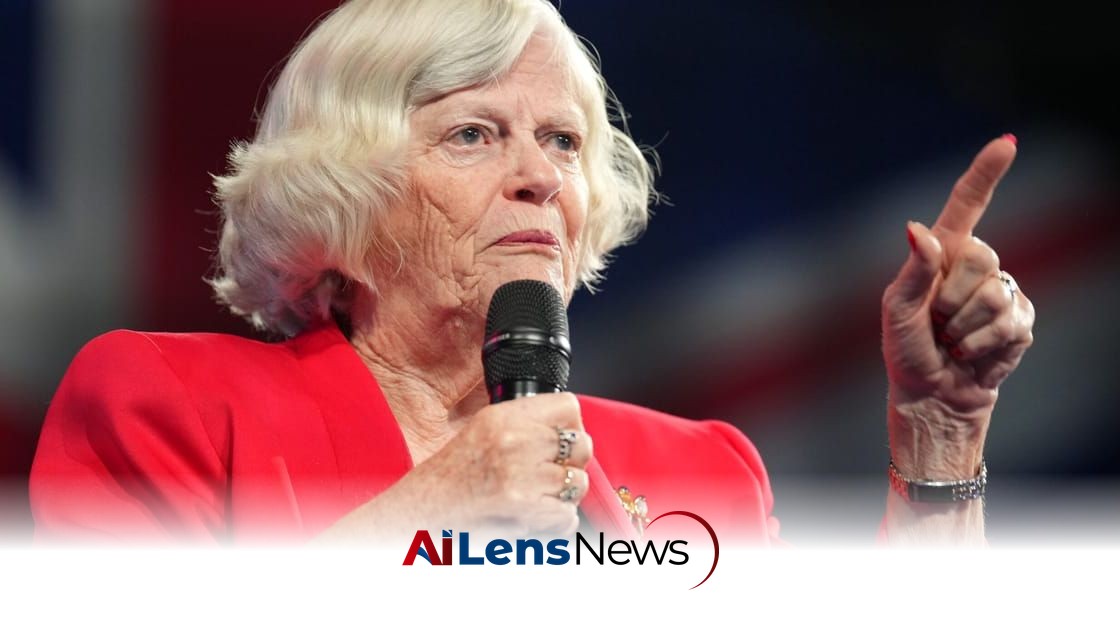


The investigation into Ann Widdecombe's death has shifted to counterterrorism police as new evidence suggests a potential terrorist motive.
London, United Kingdom Jul 13, 2026 ALN: LONDON — Counterterrorism police will lead the investigation into the death of former Conservative minister Ann Widdecombe, a significant figure in British politics known for her outspoken views and long career in public service. The investigation has taken a dramatic turn, with authorities now considering a potential terrorist motive behind her death.
Home Secretary Shabana Mahmood announced on social media platform X that police are exploring the possibility of a terrorist motive for the incident. This marks a notable shift from earlier statements made by law enforcement, which indicated that there was no evidence suggesting a political motive and that Widdecombe’s death was not being treated as a terrorist incident. The change in narrative highlights the evolving nature of the investigation and the seriousness with which authorities are approaching the case.
Widdecombe, who was 78 years old at the time of her passing, was found dead in her home in Devon last Thursday. The circumstances surrounding her death have raised alarm bells, leading to the arrest of a 28-year-old man on Sunday on suspicion of murder. As the investigation progressed, this individual is now also being investigated for the suspicion of commission, preparation, or instigation of acts of terrorism. This dual focus on both murder and potential terrorism underscores the complexities involved in the case.
In a statement, Devon and Cornwall Police indicated that "new information and evidence has come to light during what has been a dynamic and complex investigation," necessitating the involvement of Counter Terrorism Policing South East (CTPSE) to take the lead. This decision underscores the seriousness with which authorities are treating the case, especially given the heightened sensitivity surrounding acts of violence that may be politically motivated or inspired by extremist ideologies. The police's involvement signifies a broader concern about the implications of political violence in the UK.
Ann Widdecombe served as a Member of Parliament (MP) from 1997 to 2010 and held various ministerial roles during her political career, including Minister of State for Prisons and Minister of State for Home Affairs. Known for her strong opinions on social issues, Widdecombe has remained a controversial figure, often attracting both support and criticism for her views. Her departure from politics did not diminish her public presence, as she continued to engage in media and public speaking, often discussing issues related to law, order, and morality. Widdecombe’s prominence in political discourse makes her death particularly significant, as it raises questions about the safety of public figures in the current political climate.
The involvement of counterterrorism police in this case raises questions not only about the nature of the crime but also about the broader implications for public safety and political discourse in the UK. Terrorism-related investigations often involve extensive scrutiny of the suspect's background, potential affiliations, and motivations. Given Widdecombe's prominence as a political figure, any suggestion of a terrorist motive could lead to increased concerns regarding the safety of public figures and the potential for politically motivated violence. The investigation is likely to explore whether the suspect had any known connections to extremist groups or ideologies that could have influenced their actions.
The police's statement about the complexity of the case indicates that they are navigating a challenging landscape where the lines between personal grievances and broader political motivations can sometimes blur. This complexity is particularly relevant in the context of the UK’s recent history with political violence, which has included various incidents that have raised alarms about the safety of public officials and the potential for extremist actions against them.
As the investigation unfolds, it is crucial to consider the societal context surrounding such incidents. The UK has faced its share of political violence and terrorism in recent years, leading to heightened security measures and increased vigilance among law enforcement agencies. The public's reaction to the news of Widdecombe's death and the subsequent investigation will likely reflect broader anxieties about safety, political discourse, and the potential for violence against public figures. The perception of threat can have a chilling effect on political engagement and public discourse, as individuals may feel less safe expressing their views or participating in political activities.
The implications of this case extend beyond the immediate investigation. It raises significant questions about the nature of political discourse in contemporary society, where polarization can lead to extreme actions. The role of social media in shaping public opinion and potentially inciting violence is also a critical factor that authorities may need to address as they navigate this investigation. The rapid dissemination of information and opinions on platforms like X can amplify tensions and create an environment where individuals may feel justified in taking extreme actions based on perceived grievances.
In summary, the investigation into Ann Widdecombe's death is being led by counterterrorism police due to new information suggesting a potential terrorist motive. As authorities delve deeper into the circumstances surrounding her death, the case serves as a reminder of the complexities involved in understanding political violence, the safety of public figures, and the broader societal implications of such incidents. The investigation's evolving nature highlights the need for a nuanced understanding of the factors that contribute to political violence and the importance of safeguarding democratic discourse. With the investigation still ongoing, the public and media will be closely monitoring developments as they unfold, reflecting the heightened concern surrounding political safety in the UK.
This is a developing story.
To learn more about the latest developments in Crime & Law, stay updated with our exclusive reports and analyses on AiLensNews.

