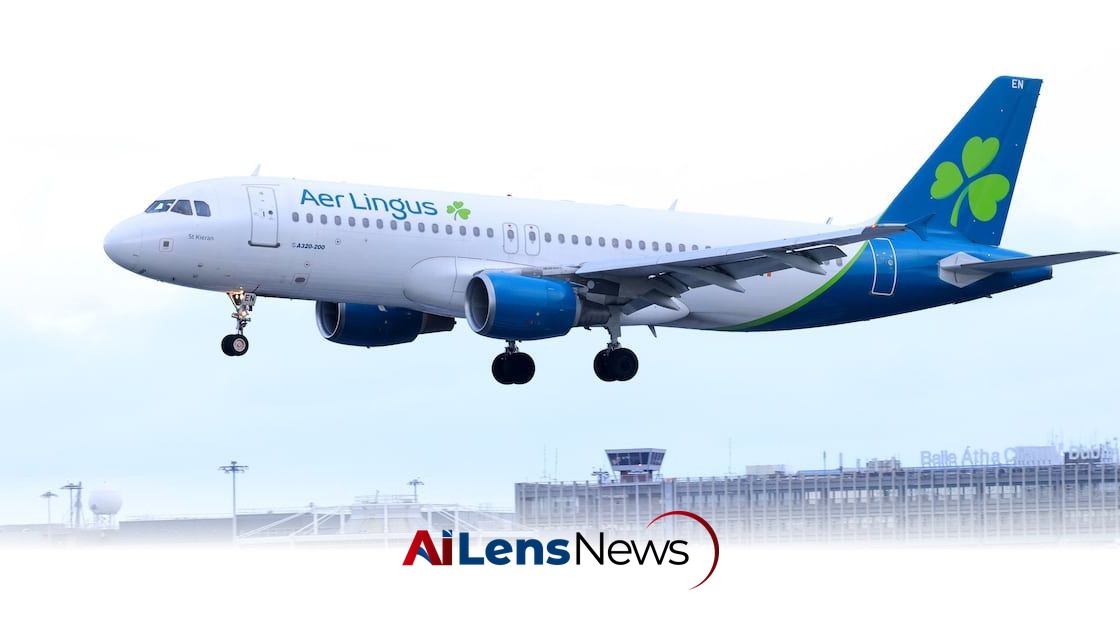


Facing increased competition and higher fuel costs, Aer Lingus plans to cut up to 500 jobs and discontinue several routes from Dublin.
London, United Kingdom Jul 16, 2026 ALN: Aer Lingus, the flag carrier of Ireland, has officially announced significant changes to its operations, including plans to cut up to 500 jobs and discontinue several routes from its hub in Dublin. This decision, disclosed on Thursday, reflects the airline's ongoing struggle with rising operational costs and increasing competition in the aviation sector. The announcement comes at a time when the airline industry is still recovering from the impact of the COVID-19 pandemic, which had previously led to a dramatic decline in air travel and financial instability for many carriers.
The job cuts, which the company communicated to its staff on Monday, will impact a workforce of approximately 6,500 employees. The planned reductions include about 70 pilots, 140 cabin crew members, and 290 positions within the airline's Dublin Airport head office. These cuts are part of a broader strategy to streamline operations and address the financial challenges posed by escalating fuel prices and competitive pressures, particularly in its North American routes. The discussions with trade union representatives are set to commence shortly, indicating that the airline is seeking to engage with its workforce during this difficult transition.
Aer Lingus is also planning to reduce its overall capacity by 6 percent, which will entail the cancellation of several routes. Notably, flights from Dublin to Denver, Minneapolis, Las Vegas, and Split in Croatia will be discontinued this autumn. These route changes are designed to optimize the airline's operations and to mitigate the financial pressures it is currently facing. The decision to cut specific routes reflects a strategic assessment of market demand and profitability, as the airline aims to focus on its most lucrative services.
The decision to cut routes and jobs is not taken lightly, especially in an industry that is often seen as a critical component of national and international connectivity. Aer Lingus has historically played a vital role in connecting Ireland with the rest of the world, particularly in facilitating travel to and from North America, which is a significant market for the airline. However, as competition in this sector intensifies, particularly from low-cost carriers and other airlines expanding their transatlantic services, Aer Lingus has found it increasingly challenging to maintain its market position.
The airline is under considerable pressure to restore its profit margins, which currently stand at around 10 percent. Aer Lingus aims to achieve profit margins between 12 and 15 percent to secure renewed investment from its parent company, International Airlines Group (IAG). This financial goal is critical for the airline's long-term sustainability and growth, as it seeks to rebound from the losses incurred during the pandemic and the subsequent recovery period.
Chief Executive Lynne Embleton has emphasized that the measures being implemented are essential for supporting future growth and maintaining the airline's connectivity, which is crucial for Ireland's economy. The Irish aviation sector is a significant contributor to the national economy, providing jobs and facilitating tourism and business travel. As such, the decisions made by Aer Lingus will have broader implications not only for the airline itself but also for the wider economic landscape in Ireland.
In addition to the job cuts and route reductions, Aer Lingus is likely to explore other avenues to enhance its financial performance. This could include renegotiating contracts with suppliers, optimizing flight schedules, and potentially increasing fares on certain routes where demand remains strong. The airline may also look into expanding its partnerships with other carriers to improve connectivity and offer more options to its passengers.
As Aer Lingus embarks on this restructuring process, it faces the dual challenge of improving its financial health while ensuring that it continues to provide reliable services to its customers. The airline's leadership will need to navigate these challenges carefully, balancing the need for operational efficiency with the expectations of its passengers and workforce. The outcome of this restructuring will be closely watched by industry analysts, investors, and stakeholders, as it could set a precedent for other airlines facing similar challenges in the post-pandemic recovery phase.
The implications of Aer Lingus's decisions extend beyond the airline itself. With the reduction of routes and jobs, there is a potential impact on local economies, particularly in regions that rely on the connectivity provided by the airline. Job losses can lead to increased unemployment rates in certain areas, affecting families and communities that depend on these positions. Furthermore, reduced flight options may make it more difficult for travelers to access certain destinations, potentially influencing tourism and business operations in those regions.
In conclusion, Aer Lingus's announcement of job cuts and route reductions is a reflection of the challenging landscape in the aviation industry, exacerbated by rising costs and increased competition. As the airline works to stabilize its finances and position itself for future growth, it will be crucial for the management to engage with employees and stakeholders to foster a sense of collaboration and support during this transformative period. The decisions made in the coming months will not only shape the future of Aer Lingus but also have lasting effects on the broader aviation sector and the Irish economy.
The airline industry as a whole is experiencing a period of adjustment following the disruptions caused by the pandemic. Many carriers have had to rethink their business models, focusing on efficiency and profitability while navigating fluctuating demand levels. The rise of low-cost airlines has further complicated the landscape, as these carriers often operate with lower overheads and can offer competitive pricing that traditional airlines find difficult to match. In this context, Aer Lingus's strategy to cut jobs and routes may be seen as a necessary, albeit painful, step in regaining its competitive edge.
Moreover, the broader economic implications of these changes cannot be understated. The aviation sector is intrinsically linked to tourism, international trade, and business travel, all of which are vital for economic recovery post-pandemic. By reducing its operational footprint, Aer Lingus may inadvertently affect the attractiveness of Ireland as a travel destination, potentially leading to a ripple effect that impacts other sectors reliant on tourism and travel.
As the airline navigates this challenging period, it will be essential for Aer Lingus to communicate clearly with its stakeholders, including employees, customers, and investors. Transparency about the reasons behind the cuts and the anticipated outcomes will be key to maintaining trust and morale within the workforce. Furthermore, engaging with local communities affected by route cancellations will be crucial in mitigating negative perceptions and fostering a sense of shared purpose during this transition.
Ultimately, the path forward for Aer Lingus will require a delicate balance between operational restructuring and maintaining the quality of service that has historically defined the airline. The decisions made in the coming months will not only impact the airline's immediate financial health but also its long-term viability in an increasingly competitive aviation landscape. As Aer Lingus moves forward, it must remain adaptable and responsive to market changes, ensuring that it can meet the needs of its customers while securing its position in the industry.
To learn more about the latest developments in Economy, stay updated with our exclusive reports and analyses on AiLensNews.

