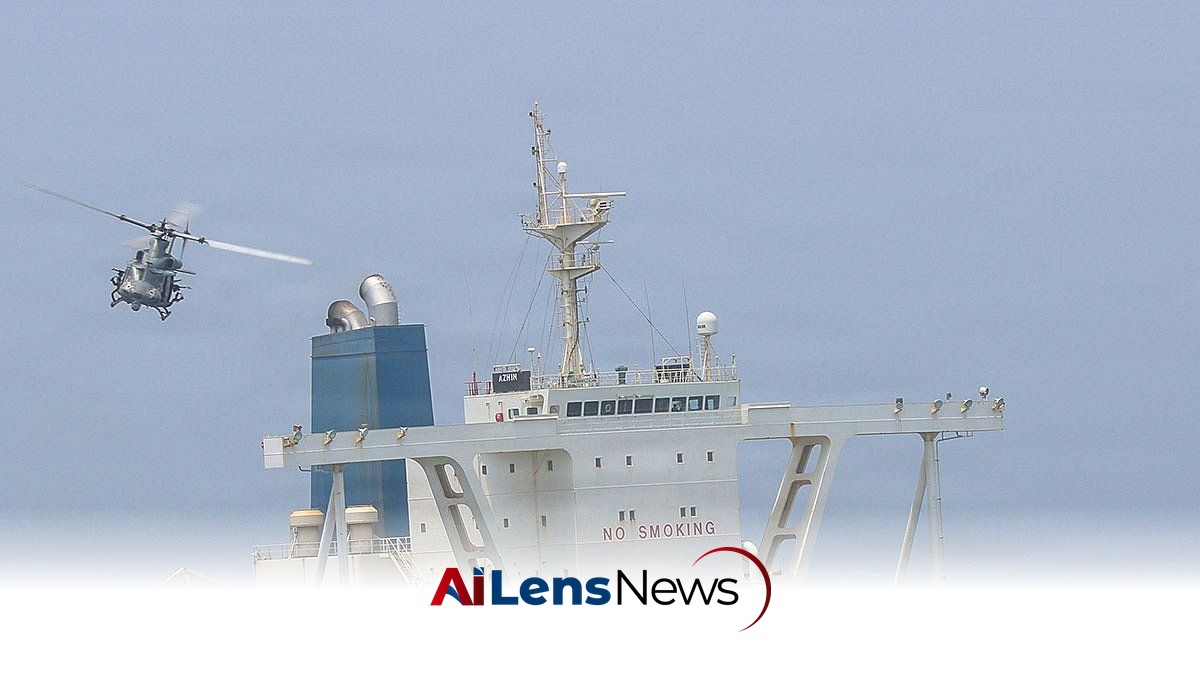


The deaths of US troops in the Iran conflict mark a significant escalation, intensifying military actions and threatening regional stability.
Abu Dhabi, United Arab Emirates Jul 19, 2026 ALN: The ongoing conflict in Iran has reached a perilous new phase following the deaths of US troops, prompting heightened military actions and raising the stakes for both Washington and regional stability. Iran has issued stern warnings that continued attacks on its territory will provoke further retaliation, while President Donald Trump has threatened additional strikes on Iranian infrastructure to compel Tehran to ease its control over critical waterways.
As military operations intensify, civilians are increasingly bearing the consequences. Iran reports that at least 50 individuals have been killed and over 500 injured since the latest phase of fighting commenced. Iranian officials have accused the United States of targeting essential infrastructure, including power facilities, bridges, and desalination plants.
This disruption has severely impacted essential services in southern Iran, where several communities are reportedly left without access to drinking water due to damage to power infrastructure. The conflict's ramifications extend beyond Iran, affecting civilians in neighboring regions as attacks increasingly target infrastructure critical to daily life alongside military objectives. The humanitarian crisis is exacerbated by the influx of internally displaced persons seeking refuge from the violence, further straining local resources.
The latest exchange of strikes occurs amid a collapse in efforts to restore a political settlement. An interim agreement designed to halt the fighting has unraveled, with Tehran announcing a suspension of its commitments and warning that any further US military action will elicit stronger retaliation.
Iran's Supreme Leader, Mojtaba Khamenei, has vowed to deliver an “unforgettable lesson” to the United States, while senior military commanders have indicated their readiness to resume “full-scale offensive operations” should American strikes continue. The situation remains precarious, with the potential for further escalation looming as diplomatic avenues appear increasingly distant.
The current hostilities are rooted in a long-standing rivalry between the United States and Iran, which has evolved over decades. The relationship deteriorated significantly after the 1979 Iranian Revolution, which resulted in the overthrow of the US-backed Shah and the establishment of the Islamic Republic. Since then, the US has imposed numerous sanctions on Iran, aimed at curbing its nuclear program and regional influence.
In recent years, tensions have escalated further due to Iran's involvement in regional conflicts, including its support for groups like Hezbollah in Lebanon and various militias in Iraq and Syria. The US has viewed these actions as destabilizing and has responded with military interventions and sanctions. The assassination of Iranian General Qassem Soleimani by a US drone strike in January 2020 marked a significant escalation, leading to retaliatory attacks on US forces in the region.
The deaths of US troops and the subsequent military responses have significant implications for regional stability. The potential for a broader conflict looms large, as Iran may respond by targeting US allies in the region, including Saudi Arabia and Israel. This could lead to a wider military confrontation that would involve multiple nations and non-state actors.
Moreover, the conflict risks further destabilizing Iraq, where Iranian influence is substantial. The Iraqi government has been caught in the middle, seeking to maintain its sovereignty while balancing relations with both the US and Iran. Any escalation in violence could lead to increased sectarian tensions within Iraq, further complicating an already fragile political landscape.
International actors play a crucial role in the unfolding situation. The United Nations and various countries have called for restraint and dialogue to prevent further escalation. However, the effectiveness of these diplomatic efforts is questionable, given the entrenched positions of both the US and Iran. Major powers, including Russia and China, have expressed support for Iran, complicating the US's ability to isolate Tehran diplomatically.
In addition, regional powers such as Turkey and the Gulf states are closely monitoring the situation, as any conflict could have direct repercussions on their security and economic interests. The Strait of Hormuz, through which a significant portion of the world's oil supply passes, remains a critical point of contention. Any disruption here could lead to global economic repercussions, raising the stakes for all parties involved.
As the situation continues to evolve, the prospects for de-escalation appear dim. The hardline stance adopted by both the US and Iran indicates that neither side is willing to back down. The Iranian leadership's commitment to retaliate against perceived aggressions suggests that military confrontations may become more frequent as each side attempts to assert its dominance.
Meanwhile, the humanitarian situation will likely worsen if military operations continue. International organizations have called for increased humanitarian access to affected areas, but ongoing hostilities complicate these efforts. The plight of civilians, who are often caught in the crossfire, underscores the urgent need for a ceasefire and a return to diplomatic negotiations.
In conclusion, the deaths of US troops have escalated an already volatile situation in Iran, with significant implications for regional stability and civilian safety. As military actions intensify, the possibility of a broader conflict looms large, while diplomatic efforts to resolve the crisis appear increasingly futile. The international community must grapple with the consequences of this conflict, which threaten not only the immediate region but also global security and economic stability.
To learn more about the latest developments in World News & International Affairs, stay updated with our exclusive reports and analyses on AiLensNews.

