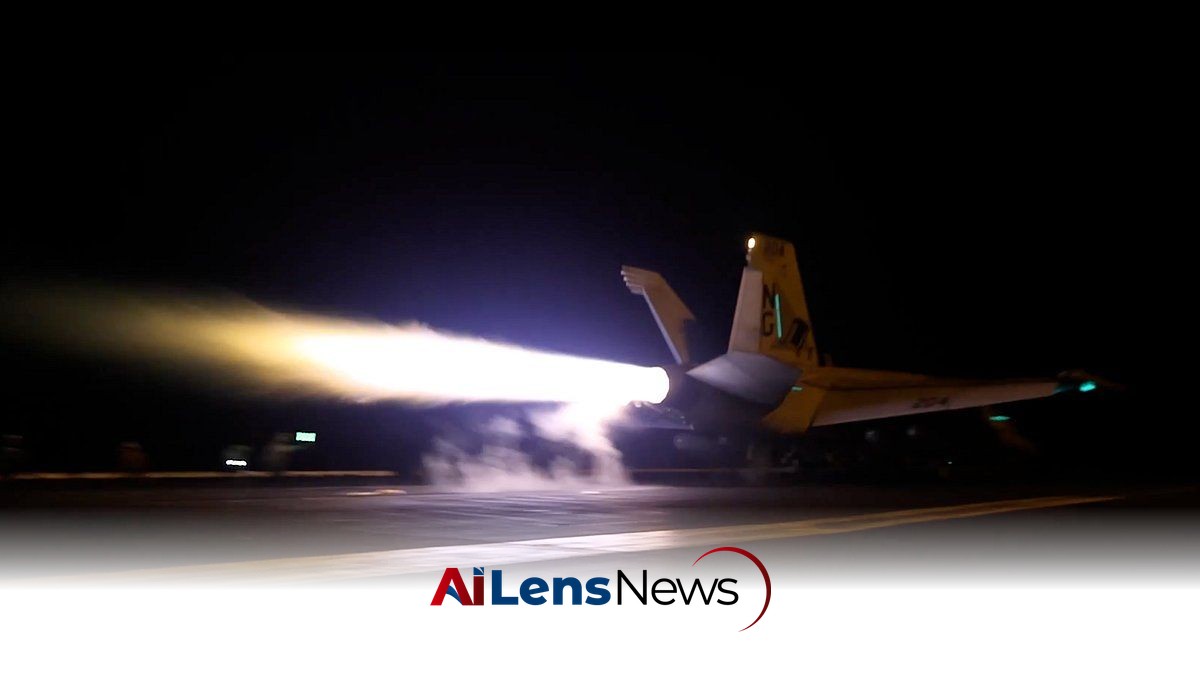


The US Navy has escalated its naval blockade against Iranian ports, impacting global oil trade and prices.
Abu Dhabi, United Arab Emirates Jul 16, 2026 ALN: US blockade enters a tougher phase
The US Navy has intensified enforcement of its naval blockade against Iranian ports, marking a significant escalation in maritime tensions in the region. This blockade is part of a broader strategy aimed at curtailing Iran's influence and its ability to engage in activities that the US and its allies consider destabilizing. One of the most dramatic incidents that underscored the seriousness of this enforcement occurred when US forces disabled a Curacao-flagged tanker that allegedly ignored repeated warnings while attempting to sail toward Iranian waters. This incident highlights the increasing risks faced by commercial vessels operating in the vicinity of Iran, where military and political tensions have been on the rise.
In addition to the disabled tanker, two other commercial vessels reportedly turned away after being contacted by coalition forces, illustrating the effectiveness of the blockade and the heightened vigilance of US naval forces. The blockade is specifically designed to stop ships trading with Iranian ports, while still allowing for normal international traffic to pass through the strategically vital Strait of Hormuz. This careful balancing act is crucial, as the Strait remains a key maritime route for global oil shipments.
Why the Strait of Hormuz still matters
The Strait of Hormuz is recognized as one of the world's most critical oil chokepoints. Before the onset of recent conflicts, approximately one-fifth of global oil consumption and a similar fraction of the world's liquefied natural gas (LNG) trade passed through this narrow waterway, which connects the Persian Gulf to the Arabian Sea. The strategic importance of the Strait cannot be overstated; any disruption in this region has immediate repercussions on energy prices, shipping insurance, and freight costs worldwide. The potential for prolonged instability in this area raises concerns among global markets, particularly as they relate to energy security.
The geopolitical landscape surrounding the Strait of Hormuz is complex and fraught with historical tensions. Iran has long viewed the Strait as a vital national interest, and its control over shipping routes is seen as a matter of sovereignty. In response to US sanctions and military presence in the region, Iran has threatened to close the Strait in the past, which would have catastrophic consequences for global oil supplies. The threat of closure or disruption serves as a reminder of the fragile balance of power in the region and the potential for conflict to escalate rapidly.
Furthermore, the US blockade comes at a time when oil prices are experiencing significant fluctuations. Rising oil prices can be attributed to a variety of factors, including supply chain disruptions, geopolitical tensions, and changes in demand. The ongoing blockade, coupled with Iran's responses, could contribute to further volatility in the global oil markets. Traders and analysts closely monitor these developments, as even minor disruptions can lead to significant price increases, affecting economies worldwide.
The implications of the US naval blockade extend beyond immediate maritime safety and security. The blockade also serves as a tool of economic warfare, aimed at crippling Iran's economy by limiting its ability to export oil and engage in international trade. The Iranian economy, heavily reliant on oil exports, faces severe challenges due to these sanctions, which have led to inflation, currency devaluation, and widespread economic hardship for the Iranian populace. In this context, the blockade could exacerbate tensions between the US and Iran, potentially leading to retaliatory actions from Tehran.
Moreover, the US blockade has significant ramifications for regional allies and partners. Countries that rely on oil imports from the Gulf region are closely watching the situation, as their energy security is directly tied to the stability of the Strait of Hormuz. Nations such as Japan, South Korea, and various European countries have vested interests in ensuring that the flow of oil remains uninterrupted. The US's actions may lead these countries to reevaluate their own strategies regarding energy procurement and foreign policy in the Middle East.
In response to the intensified blockade, Iran has vowed to protect its territorial waters and maintain its shipping lanes. This rhetoric suggests that Iran may take measures to counteract the blockade, potentially leading to confrontations at sea. The possibility of military encounters between US and Iranian forces raises the stakes significantly, as any miscalculation could lead to a wider conflict, drawing in other regional players and complicating an already volatile situation.
Furthermore, the blockade and the associated military presence of the US Navy in the region have implications for international maritime law and the principle of freedom of navigation. While the US maintains that its actions are necessary to uphold international norms and prevent illicit trade, critics argue that the blockade could be seen as an infringement on the rights of sovereign nations to engage in commerce. This legal and moral debate adds another layer of complexity to the situation, as various stakeholders weigh the implications of US actions against the backdrop of international law.
As the situation evolves, the international community will be closely monitoring the developments surrounding the US naval blockade and its impact on regional stability, global oil prices, and the broader geopolitical landscape. The interplay of military, economic, and diplomatic factors will shape the future of US-Iran relations and the security of one of the world's most critical maritime routes. In this context, the actions taken by both the US and Iran will not only affect their bilateral relations but also have far-reaching consequences for global energy markets and international security.
In addition to the immediate economic impacts, the blockade may also influence the broader geopolitical dynamics in the Middle East. The US's assertive stance against Iran could lead to increased cooperation among Gulf Arab states and the US, as they perceive a common threat. This could manifest in enhanced military collaboration, intelligence sharing, and joint exercises aimed at deterring Iranian aggression. Conversely, Iran may seek to strengthen its alliances with other regional powers, such as Russia and China, who have expressed opposition to US sanctions and military presence in the region.
The potential for an escalation in hostilities also raises concerns about the safety of civilian shipping in the region. The increased military presence and heightened tensions could deter commercial vessels from transiting through the Strait of Hormuz, leading to increased shipping costs and insurance premiums, which would ultimately be passed on to consumers. The ripple effects of such disruptions could be felt across various sectors of the global economy, from transportation to manufacturing, highlighting the interconnectedness of global trade and energy markets.
In conclusion, the intensification of the US naval blockade against Iran represents a critical juncture in the ongoing tensions between the two nations. As both sides navigate this complex landscape, the potential for miscalculations and unintended consequences looms large. The international community's response to these developments will be crucial in shaping the future of regional stability and the global energy landscape, as stakeholders grapple with the implications of a protracted standoff in one of the world's most strategically significant areas.
To learn more about the latest developments in World News & International Affairs, stay updated with our exclusive reports and analyses on AiLensNews.

