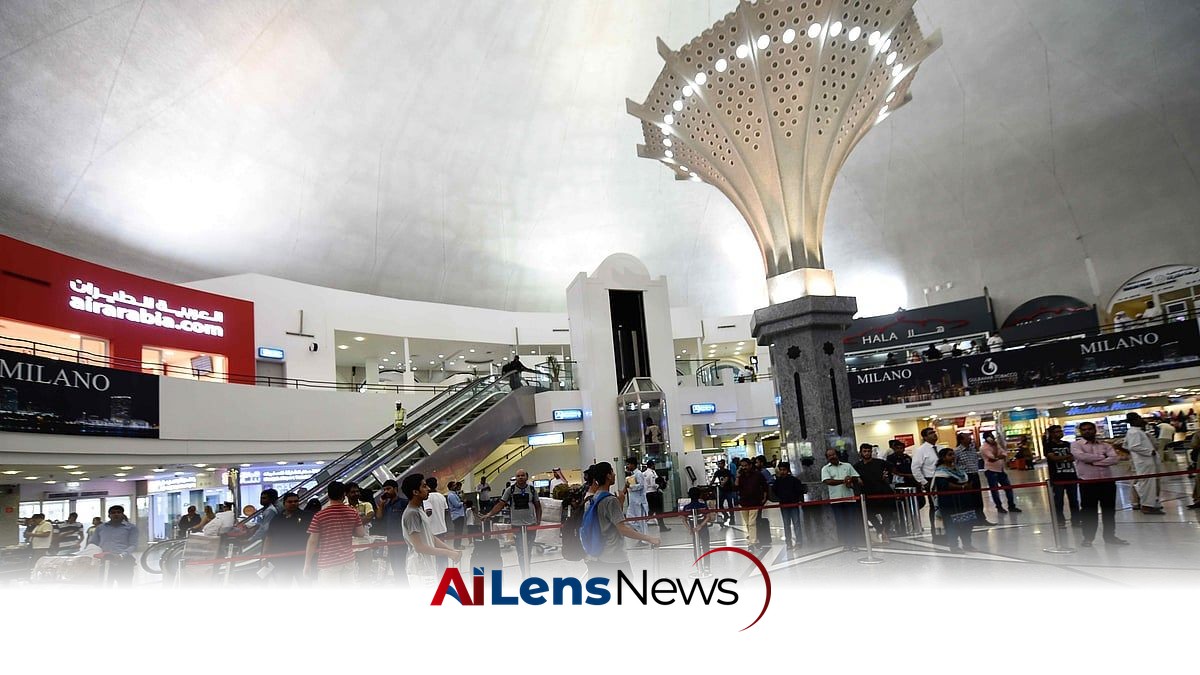


UAE airlines including Etihad, Air Arabia, and flydubai face cancellations due to escalating US-Iran tensions. Travelers advised to stay updated on flight statuses.
Abu Dhabi, United Arab Emirates Jul 29, 2026 ALN: The ongoing tensions between the United States and Iran have led to a series of flight cancellations by airlines based in the United Arab Emirates (UAE). This development comes amid heightened concerns over the security situation in the Middle East, which has been marked by military activity and geopolitical instability. The implications of these tensions extend beyond immediate travel disruptions, affecting regional security, international relations, and the global aviation industry.
The relationship between the United States and Iran has been fraught with tension for decades, characterized by a series of confrontations, diplomatic breakdowns, and military engagements. The situation escalated significantly following the US withdrawal from the Joint Comprehensive Plan of Action (JCPOA) in 2018, which was an agreement aimed at curbing Iran's nuclear program in exchange for sanctions relief. In the years since, both nations have engaged in a series of provocations, including military strikes, sanctions, and aggressive rhetoric.
The JCPOA was a landmark agreement reached in 2015 between Iran and six world powers, including the US, UK, France, Russia, China, and Germany. It aimed to limit Iran's nuclear capabilities in exchange for the lifting of economic sanctions that had crippled its economy. However, the US's withdrawal from the agreement in 2018, followed by the reinstatement of stringent sanctions, significantly deteriorated relations. Iran responded by gradually rolling back its commitments under the deal, leading to increased tensions and a series of incidents that have raised fears of military confrontation.
In recent months, the risk of military conflict has increased as Iran has been accused of conducting attacks on shipping vessels in the Gulf region and supporting proxy groups in neighboring countries. The US has responded with military deployments and heightened surveillance in the area, further straining relations. These developments have raised alarms among international aviation authorities, prompting them to issue warnings regarding the safety of air travel in the region.
As a direct consequence of the escalating tensions, airlines operating in the UAE have begun to cancel flights to certain destinations, particularly those that involve crossing over potentially dangerous airspace. The European Union Aviation Safety Agency (EASA) has issued a safety advisory that extends until August 31, advising airlines to avoid operating in the airspace over the UAE, Bahrain, Qatar, Kuwait, and parts of the Gulf of Oman. This advisory is a response to the perceived risks associated with military activity in the region, which could pose a threat to civilian aircraft.
The cancellations have particularly affected airlines such as Emirates and Etihad Airways, which are major players in the global aviation market. These airlines have had to reassess their flight routes and schedules, leading to significant disruptions in travel plans for many passengers. Despite the cancellations, airport operations within the UAE remain stable, reflecting the country's robust infrastructure and commitment to maintaining air travel safety. However, international aviation and government authorities continue to monitor the situation closely.
The UK Foreign, Commonwealth and Development Office has advised British nationals traveling in the region to prepare for possible flight cancellations and temporary airspace closures. Travelers are encouraged to stay informed by monitoring airline updates and following instructions from local authorities. The US Department of State has maintained its worldwide travel advisory, urging Americans to exercise increased caution when traveling in the Middle East. The advisory highlights the complex security environment in the region, which remains volatile despite previous diplomatic efforts aimed at reducing tensions. Similar advisories have been issued by Canada and Australia, reflecting a coordinated approach among Western nations to ensure the safety of their citizens abroad.
The flight cancellations and travel advisories resulting from US-Iran tensions have broader implications for the region and the global aviation industry. The Middle East is a critical hub for international air travel, with major airlines based in the UAE, such as Emirates and Etihad Airways, serving as key players in global connectivity. Disruptions in this region can have a ripple effect, impacting travel routes, ticket prices, and the overall demand for air travel.
Moreover, the uncertainty surrounding air travel in the Middle East may lead to a decline in tourism, which is a vital component of the UAE’s economy. The UAE has invested heavily in building a reputation as a premier travel destination, with attractions ranging from luxury shopping and modern architecture to cultural heritage sites. Any negative perceptions resulting from security concerns could deter potential visitors. This could have long-term economic consequences, particularly as the region continues to recover from the impacts of the COVID-19 pandemic, which had already severely affected global travel and tourism.
Travelers may also face increased costs as airlines adjust their pricing strategies in response to fluctuating demand and operational challenges. The need for airlines to reroute flights or implement additional safety measures can lead to higher operational costs, which may be passed on to consumers. In addition, travel insurance policies may be impacted, as travelers seek coverage for cancellations and disruptions related to the evolving security situation.
Looking ahead, the resolution of tensions between the US and Iran is critical for restoring stability in the region and ensuring the safety of air travel. Diplomatic efforts aimed at de-escalating the situation have been ongoing, with various international actors seeking to mediate and facilitate dialogue between the two nations. However, the path to a sustainable resolution remains fraught with challenges, as both sides have deeply entrenched positions and a history of mistrust.
In the meantime, travelers and airlines must navigate the current landscape of uncertainty. The importance of staying informed and flexible cannot be overstated, as the security situation can change rapidly. Airlines are likely to continue reviewing their routes and operations in response to evolving conditions, and travelers should remain vigilant in monitoring developments that may affect their plans.
The recent flight cancellations by UAE airlines, prompted by rising tensions between the US and Iran, highlight the significant impact that geopolitical conflicts can have on international travel and aviation. As the situation continues to evolve, the need for effective communication, safety measures, and diplomatic engagement remains paramount to ensuring the safety and security of travelers in the region. The ongoing developments serve as a reminder of the interconnectedness of global affairs and the far-reaching consequences of regional conflicts on international travel and commerce.
To learn more about the latest developments in Transport & Mobility, stay updated with our exclusive reports and analyses on AiLensNews.

