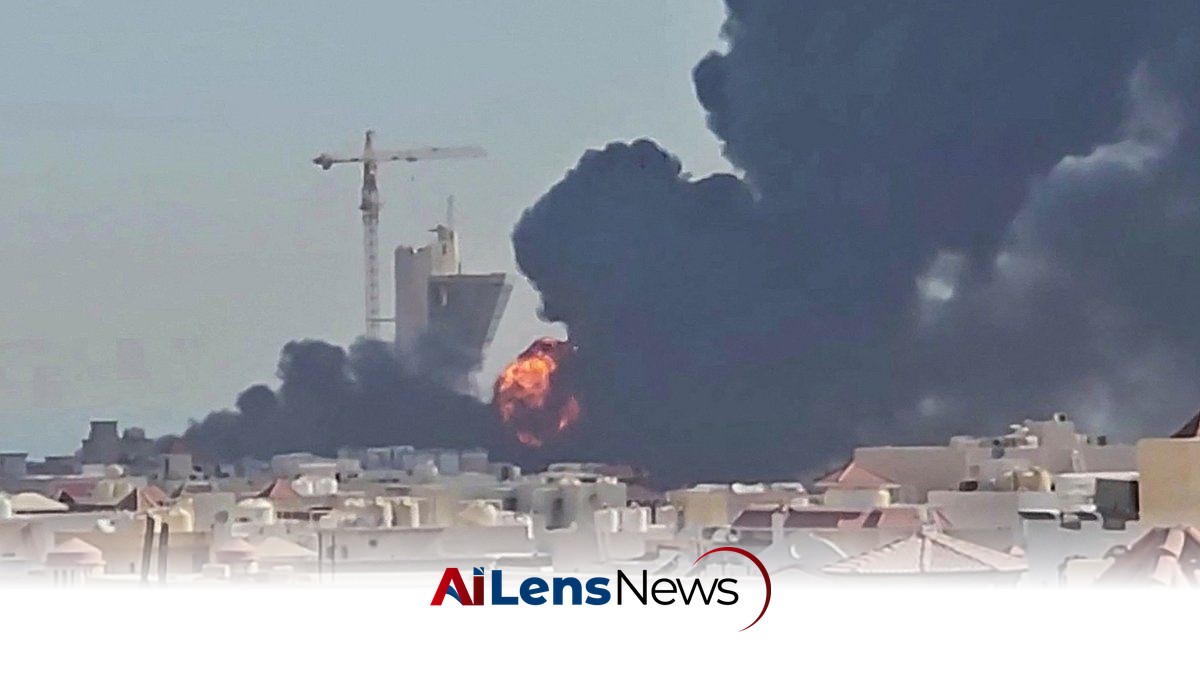


The US-Iran tensions have intensified, with missile interceptions and strikes affecting regional infrastructure. Here's what UAE residents need to know.
Abu Dhabi, United Arab Emirates Jul 19, 2026 ALN: The ongoing tensions between the United States and Iran have escalated dramatically, impacting the Gulf region and raising concerns among residents in the UAE. As the conflict enters its eighth day, several significant developments have unfolded, highlighting the precarious situation in the Middle East and its implications for regional security and international relations.
Background of US-Iran Relations
The relationship between the United States and Iran has been fraught with tension for decades, particularly since the 1979 Iranian Revolution, which resulted in the overthrow of the US-backed Shah and the establishment of the Islamic Republic of Iran. This historical backdrop has set the stage for a series of confrontations, including the Iran-Iraq War, the U.S. sanctions on Iran over its nuclear program, and various military engagements in the region. The Joint Comprehensive Plan of Action (JCPOA), signed in 2015, was a significant attempt to curb Iran's nuclear ambitions, but its collapse in 2018 following the U.S. withdrawal has led to increased hostilities.
In recent years, Iran has been accused of supporting militant groups across the Middle East, including Hezbollah in Lebanon and various factions in Iraq and Yemen, which has further strained its relations with the U.S. and its allies. The U.S. has responded with sanctions and military presence in the region, leading to a cycle of retaliation and escalating tensions.
Iran Missile Intercepted Over Jordan
In a significant development, Israeli and Jordanian forces successfully intercepted an Iranian missile aimed at Jordan’s coastal city of Aqaba. Reports from the Israeli military confirm that Jordan’s armed forces intercepted three Iranian missiles that had entered their airspace. Although the intended targets of these missiles have not been disclosed, the activation of air raid sirens in Jordan’s capital, Amman, underscores the seriousness of the situation and the potential for the conflict to spread further across the region. The interception of these missiles not only reflects the military capabilities of Israel and Jordan but also highlights the broader implications for regional security, as Iran's missile technology continues to pose a threat to its neighbors.
This incident is part of a larger pattern of Iranian missile activity in the region, which has raised alarms among Gulf states. The interception signifies a growing concern that Iran's military capabilities could be used in a broader conflict, potentially drawing in other regional powers and complicating the existing geopolitical landscape.
US Strike Hits Iran Nuclear Facility
In a significant escalation of hostilities, Iran’s Atomic Energy Organisation accused the United States of launching an attack on the under-construction Darkhovin nuclear power plant located in southwestern Iran. The organisation reported that the facility was struck by multiple projectiles, which they described as a violation of international law. While details regarding the extent of the damage caused by this strike remain unclear, the attack on a nuclear facility raises serious concerns about the potential for a wider military conflict. Strikes on nuclear sites are particularly sensitive, as they could lead to catastrophic consequences not only for the countries involved but also for international security.
The implications of this strike are profound, as it may provoke a strong response from Iran, which has vowed to retaliate against any attacks on its sovereignty. Furthermore, this incident could lead to increased tensions among the P5+1 nations, who had previously negotiated the JCPOA, as the attack raises questions about the enforcement of international norms regarding nuclear facilities and the potential for nuclear proliferation in the region.
Kuwait and Bahrain Report Attacks on Infrastructure
Kuwait has reported that an electricity generation and water desalination facility was targeted in what officials described as a second Iranian attack on the plant within two days. This assault resulted in a fire at the facility and affected several power generation units. In response, Kuwait’s Ministry of Electricity, Water and Renewable Energy activated emergency plans, deploying firefighters and technical teams to manage the damage and restore affected systems. The targeting of critical infrastructure highlights the vulnerability of Gulf states to Iranian military actions and the potential for widespread disruptions in essential services, which could lead to social unrest and economic instability.
Bahrain has also accused Iran of targeting civilian infrastructure amid the escalating conflict, further heightening tensions in the region. The targeting of civilian facilities is particularly concerning, as it raises ethical questions about the conduct of warfare and the protection of non-combatants. Such actions could provoke a backlash against Iran from both regional actors and the international community, potentially leading to further isolation and sanctions.
Implications for UAE Residents
As the situation continues to develop, residents in the UAE are advised to stay informed and remain vigilant regarding potential impacts on air travel and regional stability. The UAE, being a key player in the Gulf Cooperation Council (GCC) and a close ally of the United States, is particularly sensitive to the repercussions of escalating tensions between the U.S. and Iran. The UAE’s strategic location also makes it a potential target for retaliatory actions by Iran, which has previously threatened to strike back against U.S. allies in the region.
Moreover, the economic implications of the conflict could be significant. The Gulf region is heavily reliant on oil exports, and any disruption to shipping routes or infrastructure could lead to fluctuations in global oil prices, affecting economies worldwide. Residents may also experience increased security measures and heightened military presence, which could impact daily life and tourism, a vital sector for the UAE's economy.
In light of these developments, it is crucial for residents to stay updated on government advisories and to have contingency plans in place in case of emergencies. The potential for a broader conflict necessitates a cautious approach as the region navigates these turbulent waters.
In conclusion, the escalating conflict between the United States and Iran poses significant risks not only for the immediate parties involved but also for the entire Gulf region. The developments over the past days highlight the fragility of peace in the area and the need for diplomatic efforts to de-escalate tensions and prevent further military confrontations. As the situation unfolds, the international community will be watching closely, hoping for a resolution that prioritizes stability and security for all nations involved.
To learn more about the latest developments in World News & International Affairs, stay updated with our exclusive reports and analyses on AiLensNews.

